


Fluoride in Water: Preventing Cavities or Posing Health Risks?
Fluoride, a mineral found naturally in water, soil, and various foods, has been a topic of debate for decades, particularly regarding its use in public water supplies. While many studies indicate that fluoride effectively reduces dental cavities, concerns about potential health risks have also emerged.

The Benefits of Fluoride
Fluoride possesses the capability to enhance the teeth enamel, which means there is no chance for decayed teeth to grow. After taking or applying fluoride, it will melt into your teeth, cross every crack of your teeth and finally become a part of your teeth. This process can prevent the corrosion from dental plaque bacteria and sugar in the mouth. Quite a few researches show that dental caries incidence is much lower in those who drink fluorinated water.
US Center of Disease Control and Prevention reported that the study that fluoride in water can prevent cavities is one of the most successful public health achievement in the 20th century. And it also mentioned in its official website that fluoride can reduce the lifelong caries incidence among no matter children or adults almost 25%. Thereby, making full use of the fluoride in water is quite useful for the people who have limited chances to access medical and dental protection. In this case, this makes fluoride an important public health advance in the prevention of tooth decay.

The Health Risks of Fluoride
Although fluoride is proved to be actually conducive to your teeth, its adjunction in public water arouses residents’ worries on its potential health risks. One of the most important problem is dental fluorosis which is a allochromatic symptom caused by touching excessive fluoride in childhood. Although fluoride teeth just affect your appearance and do no harm, severe fluoride teeth will make us painful and bitter.
Except for dental fluorosis, more studies show the fluoride do have some potential relations with other health problems. High concentrations of fluorine brings adverse impacts to bone health and even make the opportunities of fracture rise. Besides, there are also some worries on thyroid function, for extra fluoride interferes synthesis of the thyroid hormone which plays a crucial role in the metabolism.

Balancing Benefits and Risks
However, these undisputed benefits of fluoride for cavity prevention must still be carefully weighed against legitimate risks when debating fluoride levels in drinking water. The yardstick of around 0.7 parts per million (ppm) has been speared for us by public health authorities such as the Centres for Disease Control and the American Dental Association, who said that this is a safe and effective treatment for the teeth.
The emergence of fears about the dangers of fluoride has led to communities examining their positions on the chemical's presence. A few locations in the United States right now are debating whether or not to continue adding fluoride to their water supplies, echoing wider concerns in the public. More often than not, this move is because they are increasingly seeking a more natural water supply and have worries about mass medication of the population without individual consent.

Conclusion
Fluoride in water is still a divisive issue - alleviating considerable cavity prevention benefits while creating credible worries about risks to our health. As communities continue to grapple with the balance, it remains important to engage in transparent discussion, pore over hard scientific evidence and put public health foremost.

Embracing Flexibility: The Health Benefits and Pathways to Increased Flexibility
Flexibility is a fundamental component of physical fitness that often takes a back seat to cardiovascular endurance and strength training. However, the importance of flexibility should not be underestimated. Flexibility refers to the range of motion in a joint or group of joints and the ability of muscles and tendons to stretch effectively. Embracing flexibility not only enhances physical performance but also offers a myriad of health benefits that contribute to overall well-being. In this article, we delve into the significance of flexibility, its health advantages, and practical ways to improve and maintain flexibility in daily life.The Health Benefits of Flexibility1. Injury PreventionOne of the primary benefits of flexibility is its role in injury prevention. When muscles and tendons are flexible, they are better equipped to handle stress and strain during physical activities. Improved flexibility reduces the risk of muscle strains, ligament sprains, and other common injuries, especially during activities that require sudden or extreme movements.2. Improved PostureFlexibility plays a crucial role in maintaining proper posture. Tight muscles can pull the body out of alignment, leading to poor posture and a host of associated issues such as back pain, neck pain, and headaches. By enhancing flexibility in key muscle groups, individuals can improve their posture and reduce the likelihood of developing chronic postural problems.3. Enhanced Range of MotionIncreased flexibility translates to an expanded range of motion in joints, allowing for more fluid and efficient movement. This is particularly beneficial for athletes, dancers, and individuals engaged in physical activities that require a wide range of motion. A greater range of motion not only improves performance but also enhances overall mobility and agility.4. Stress ReliefFlexibility exercises, such as yoga and stretching, promote relaxation and stress relief. Stretching helps release tension in muscles, alleviate tightness, and promote circulation, leading to a sense of physical and mental relaxation. Incorporating flexibility exercises into a daily routine can contribute to stress reduction and improved mental well-being.5. Joint HealthMaintaining flexibility is essential for joint health and function. Flexible muscles and tendons help support the joints, reducing the risk of joint pain, stiffness, and degenerative conditions such as osteoarthritis. By preserving joint mobility through flexibility exercises, individuals can enhance joint health and longevity.How to Improve Flexibility1. Stretching ExercisesIncorporate regular stretching exercises into your fitness routine to improve flexibility. Dynamic stretches before exercise help warm up the muscles, while static stretches after exercise help lengthen and relax the muscles. Focus on stretching major muscle groups such as the hamstrings, quadriceps, calves, shoulders, and back.2. Yoga and PilatesParticipating in yoga or Pilates classes can significantly enhance flexibility, strength, and balance. These mind-body practices combine stretching exercises with strengthening movements to improve overall flexibility and body awareness. Attending regular classes led by experienced instructors can help individuals progress in their flexibility journey.3. Foam RollingFoam rolling is a self-myofascial release technique that helps release muscle tightness and improve flexibility. By using a foam roller to apply pressure to specific muscle groups, individuals can reduce muscle tension, increase blood flow, and enhance flexibility. Incorporate foam rolling into your post-workout routine to aid in muscle recovery and flexibility maintenance.4. Stay HydratedProper hydration is essential for maintaining muscle elasticity and joint lubrication, both of which are vital for flexibility. Drinking an adequate amount of water throughout the day helps keep muscles hydrated and supple, supporting flexibility and reducing the risk of muscle cramps and stiffness.5. Consistency is KeyImproving flexibility is a gradual process that requires consistency and dedication. Set aside time each day for stretching and flexibility exercises, and gradually increase the intensity and duration of your stretches as your flexibility improves. Be patient with yourself and celebrate small milestones along the way.

Why You May Eat to Bankrupt in Osaka
Osaka, a city which is regarded as the “City of Food”, has formerly been named as the “World Kitchen” in the Edo period. This title does not only originate from its rich food culture but also come form the pursuit and love for food of Osaka citizens, even it advocates the saying that “Eat till you’re bankrupt.” Every food in Osaka contains the emotion and memory of residents, seducing numbers of food lovers. Therefore, to figure out why you may eat to bankrupt in Osaka, you ought to read below.OkonomiyakiOkonomiyaki , one of the most iconic food in Osaka, is a must-eat for every travelers to Osaka. It is a pasta pancake which combines Korean yo, pork with seafood, and through frying the mixed batter and eggs until crisp outside and soft inside, pouring a thick sauce and a delicious treat, Okonomiyaki amazes both your noses and mouths. Sauce in every store has its own features in Osaka, sweet and salty tastes are the main kinds. No matter what kind of the sauce is, the flavour will not disappoint you. What’s more, cookers usually cook after your order and then the waiter will send it to your table, or cook in front of you, this kind of innovative cooking makes us feel the process of food producing perfectly. After seeing this, don’t you want to eat to bankrupt in Osaka?TakoyakiTakoyaki is also a notable snack can be seen all around the Osaka. It is a kind of paste, after adding flour, eggs, and Japanese stock, the octopus slices, pickled ginger and green onion are put together into it, thus finishing the maruko-like food called Takoyaki. It is crisp outside and soft inside, fresh and juicy, when mixed with certain sauce and wood fish slices, the soul in Takoyaki comes out! There are also lots of famous Takoyaki stores, for example, the Dotombori Akaoni, which catches customers’ stomachs by the authentic techniques. What’s more, a Takoyaki doesn’t cost you much, thereby, if you want to eat to bankrupt, you may eat up all the octopus in the sea.KushikatsuExcept for Okonomiyaki and Takoyaki, Kushikatsu is also a delicious one you can not miss. All kinds of food tied together by a prod covered by golden sauce is the original look of Kushikatsu. After taking from the frying pan, Kushitatsu permeates desirable smell which will fulfill your hunger. Further more, it is a good idea to take your friends here together, talk freely to each other with Kushitatsu in everyone’s hand.ConclusionAccording to what has been introduced above, you may understand why others name Osaka the city of food. You might still immerse in the smell and tastes of Okonomiyaki , Takoyaki and Kushikatsu like what I mentioned above, but compared with thinking and imagining the tastes, start to move and experience in person is more dependable. Here, you can taste the most authentic food, and you can feel the love and pursuit of food of Osaka people. And this love and pursuit are enough to let you forget the shackles of money in the process of tasting food and even spend a lot of money. Therefore, you may go bankrupt in Osaka, but your love and pursuit of food will make it all worth it. And wish you a good time in Osaka.

A Guide to Choosing the Perfect Used Car for Seniors
Understanding Specific NeedsThe first stage is an extensive evaluation to determine the driver's individual requirements and body considerations. Crucial questions for the customer to answer: What will you use the car for—primarily errands around town, or longer trips? Are easy in/out important to them for mobility reasons? Think in terms of larger door openings, seats at a convenient height (but not too low) and easier-to-use controls. Visibility is also key; seek out cars with good all-around sight lines and large, clear mirrors. A midsize sedan, a small SUV or crossover, or a minivan will usually provide the right mix of accessibility, visibility and ease-of-management for many seniors.Setting a Realistic BudgetWhen budget setting, look past the sticker price. Take into account the cost of ownership, including insurance rates, fuel economy and any repair or maintenance expenses. In general, cars with reputations for reliability might have a higher up-front price but produce lower long-term costs. Budget for a pre-purchase inspection by a trusted mechanic and for any minor, immediate adjustments or repairs (new tires, updated prescription lens side mirrors).Focusing on Simplicity and ComfortComfort is everything when it comes to an "adrenaline-inducing ride. Listen closely in the initial sit-test: Do the seats feel supportive and easily adjusted? If you sit in the driver's seat, are all the important controls easy to use, reach and operate? Prefer physical knobs and buttons as opposed to intricate touch-screen menus for climate and audio control. Contemporary safety technology such as a backup camera, blind-spot monitoring and automatic emergency braking are meaningful support systems that can foster confidence and security.Choice of Shopping: Private Sales, Dealers and Certified Programs1.Private Sales: Every so often, you can get an absolute steal of a deal through a private sale but it comes with additional risk. In order to prevent unforeseen problems, an outside mechanic should inspect any car sold by a private party prior to purchase. Negotiation is more common in private sales, but caution is recommended.2.Dealers: New car dealerships typically offer a good selection of used cars. Dealers, particularly when it comes to their fleet of pre-owned vehicles tend to set the bar pretty high. In many cases these cars have been through rigorous inspections and are a great option.3.Certified Programs: CPO vehicles have been checked and refurbished by the manufacturer for mechanical issues, or covered under manufacturer-provided warranties and high-quality financing. They tend to be less risky than standard used cars and can make a lot of sense when reliability is high on your priority list.The Essential Test DriveThe test drive is everything. Slip it in there at a time when you can hit the road in different conditions, both on city streets and highways. Inspect how well the car rides — is it smooth and steady? Check the acceleration and braking to make sure it feels responsive, but not jerky. Look for convenience to parking and the ease of getting in and out. The most critical is to make sure the driver is confident and comfortable driving., every switch should fall to hand and feel right in an instinctual way.Approach them with the aid of carefully observing these steps: evaluating what you need; budgeting sensibly; insisting on comfort; checking the history and taking an extended test drive, because then you'll know what's really going on with a used car when it's your turn as a purchaser. The proper used car will provide the peace of mind, comfort and reliability to facilitate years of independence and freedom.
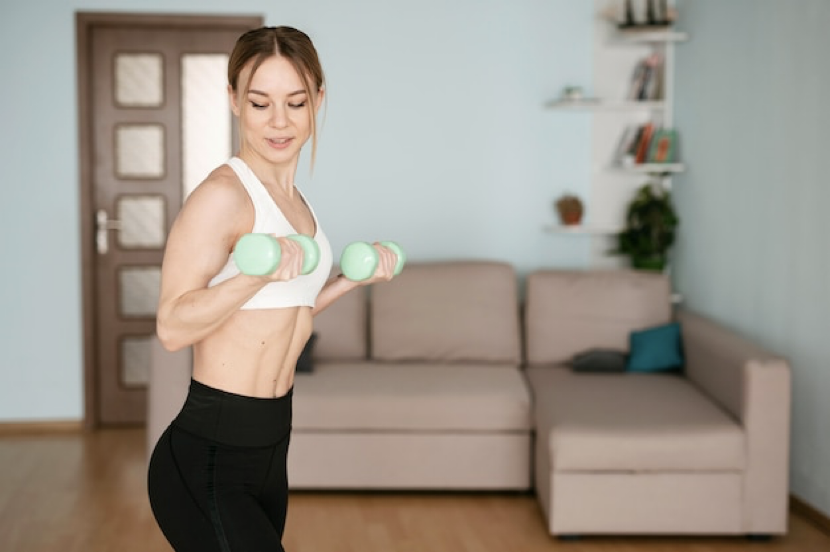
Women May Benefit From Exercise in Reducing Risk of Cardiovascular Issues
Cardiovascular disease (CVD) is a leading cause of morbidity and mortality worldwide, affecting millions of people, particularly as they age. While both men and women are at risk, recent research suggests that women may significantly benefit from exercise in reducing their risk of developing cardiovascular issues—potentially lowering their risk by twice the amount as men. Understanding the implications of this finding can empower women to prioritize physical activity as a vital component of their health regimen.The Importance of ExerciseExercise is widely recognized as a cornerstone of cardiovascular health. Regular physical activity strengthens the heart muscle, improves circulation, and helps maintain a healthy weight—factors that are crucial in preventing CVD. While the benefits of exercise are well-documented for both genders, emerging evidence indicates that women may experience a more pronounced protective effect against heart disease.Hormonal InfluencesOne potential reason for the differential impact of exercise on cardiovascular health between men and women lies in hormonal differences. Estrogen, which is more prevalent in women, has protective cardiovascular effects. It helps maintain healthy blood vessels and reduces cholesterol levels. However, as women age and estrogen levels decline, particularly during and after menopause, their risk for heart disease increases. Engaging in regular exercise can help mitigate some of these risks, potentially leading to more significant reductions in CVD risk compared to men.Research FindingsRecent studies have highlighted that women who engage in regular physical activity may cut their risk of developing heart disease by an impressive amount. For instance, a study published in the Journal of the American College of Cardiology found that women who exercised regularly were able to lower their cardiovascular risk significantly more than their male counterparts. The mechanisms behind this may include better weight management, improved blood pressure regulation, and enhanced lipid profiles among women who exercise consistently.Types of Beneficial ExerciseNot all forms of exercise are created equal when it comes to cardiovascular health. Both aerobic and strength-training activities play a crucial role, but aerobic exercises—such as walking, running, cycling, and swimming—are particularly effective in improving cardiovascular fitness.1. Aerobic Exercise: Engaging in at least 150 minutes of moderate-intensity aerobic exercise each week can lead to substantial cardiovascular benefits. This could include brisk walking, jogging, or group fitness classes.2. Strength Training: Incorporating strength-training exercises at least twice a week can also enhance cardiovascular health. Building muscle helps improve metabolism and supports better insulin sensitivity, contributing to overall heart health.3. Flexibility and Balance: Activities like yoga and Pilates, while not traditionally regarded as cardiovascular exercises, can improve overall physical function and reduce stress, which is also beneficial for heart health.Making Exercise a PriorityFor women looking to lower their cardiovascular risk, making exercise a priority is essential. Here are some practical tips to integrate physical activity into daily routines:1. Set Realistic Goals: Start with achievable goals, such as walking 10 minutes a day, and gradually increase duration and intensity.2. Find Enjoyable Activities: Whether it’s dancing, hiking, swimming, or joining a sports team, engaging in activities you love makes it easier to stick with an exercise routine.3. Incorporate Movement into Daily Life: Simple changes, like taking the stairs instead of the elevator or walking during lunch breaks, can significantly increase daily activity levels.4. Social Support: Exercising with friends or family can boost motivation and make workouts more enjoyable. Consider joining group classes or community sports leagues.5. Listen to Your Body: It’s essential to pay attention to your body’s signals. Start slow, especially if you’re new to exercise, and consult a healthcare provider if you have existing health concerns.

Tokyo Lion Cafe: Away From Hustle and Bustle
The Lion Cafe which locates in Tokyo has a long history almost for one hundred years and admired and praised by numerous customers with a huge prestige of unique atmosphere and operation philosophy. Different from the modern cafe that encourages social relations, information sharing and interaction, the lion cafe takes the totally opposite strategy: advocating a more peaceful and comfortable environment, especially forbids electronic devices use like cell phones, ear phones, computers and so on.DecorationIt is a nostalgia style in the lion cafe’s interior ornaments, the old pictures and art works on the wall seems to be telling the history of this cafe. Wooden chairs and tables, and soft lights make the whole space warm and gentle. It offers a unique sense of immersion for customers, like the frozen time, away from noise of the outside world.Operation PhilosophyLion cafe has a clear and definite management idea, which is discouraging socializing and forbidding mobile phones to enjoy the atmosphere of interacting with others nearby. It is thought by the cafe keeper that we are more and more reliable on electronic apparatuses in the modern and fast-paced life, as a result, we ignore and neglect the significance of talking with others face to face. In lion cafe, customers are encouraged to savour the delicacy of coffee with heart and soul, enjoy the beauty of the surroundings instead of being buried and tied in the phones.What You Can Do HereThe menu may be a little simple, though, every drink is selected carefully. Classic coffee, strong chocolate drink, and even the hand made desserts are all for making customers concentrate on the present experience when enjoying the drink. It is usually seen in the lion cafe: Reading a book silently or having a deep conversation with intimates with a cup of coffee in hand.In order to keep the peaceful and quite atmosphere, lion cafe made strict requirements for customers: No mobile phones, no loud voice! Although this kind of strict requests may be uncomfortable for those who are used to noisy environments, here is still a paradise for those go after for relaxation and peace.Apart from attracting myriads of customers who love peaceful and quite atmosphere, the lion cafe also became the rallying place for creators and artists. The lion cafe is a store that inspires and encourages a number of ordinary people to make uncountable beauteous works. What’s more, there are random art displays held here, which not only exhibits the art works, but also upgrades the atmosphere.Time certainly flies, but the lion cafe is still clinging to its faith, which became a unique scenery in Tokyo. In the era when pace is faster than ever and messages are much more than they used to be, finding a quite corner is beyond your capability.ConclusionIn conclusion, the lion cafe in Tokyo helps citizens establish an eden away from hustle and bustle, no mobile phones or other electronic devices exists in this divine place, all you can find is joy, happiness, relaxation, leisure, desserts, smiles and most importantly, the genuine you.