


Enigma of Loch Ness
In the case of Loch Ness, which is Scotland's second-largest loch by surface area has become one with a legend that dates them back to some medieval narratives about reports believed in fact being true regarding experiences people had while party hunting and looking for food. Though the validity of this legend has never be confirmed, Loch Ness and its mystery continues to capture the imaginations of people all over—as well as their willingness cross it off on their bucket list.

Overview of Loch Ness Monster
There is even much doubt about whether there actually are such things as the Loch Ness Monster, or 'Nessie', however the legend has endured for centuries. Tales of a monster in the loch date from about 560, when St. Columba is supposed to have seen one in the Loch Ness. But the contemporary obsession with this monster actually goes back to 1933 when a spate of sightings in Loch Ness captured international interest.
The loch alone is a site of breath-taking natural grandeur. Measuring about 23 miles long, the loch reaches a depth of 788 feet, making it one of the largest fresh water bodies in Great Britain. The dark cold waters and haunting sea loch, highlands hills and castles definitely give that whole sector an air of mystique.

Mysteries in Loch Ness
This search for the monster has since become something of a tourist attraction and, whilst numerous expeditions have been undertaken to investigate these claims over the years; no concrete proof that Nessie is real ever seems to surface. Theories abound, from giant eels to misidentified seiches caused by natural phenomena or hoaxes. Still, the fascination persists and with 1155 official sightings to date, the legend of Loch Ness lives on.
More than just the monster, Loch Ness is a virtual paradise for nature lovers. Nessie is one of the most well-known mythical creatures and has become an international phenomenon credit: The loch forms a part of (and quite distinct from) that broader Caledonian Canal system which connects bodies of water across Scotland, it is in designated areas including protected waters forming key parts for completion on the Loch Ness 360° trail, an epic "new" activity trail offering those who dare to walk, cycle or run it up to nearly 80 miles worth.
More Enigmas
It is also home to a number of hidden treats that are waiting for visitors. From the ancient Inverfarigaig Pier where you can enjoy great views of Loch Ness, to Suidhe Viewpoint is one of those trekking peaks which offers intact natural surroundings. Paddle the Great Glen, canoeing is an outdoor activity available to all, young and old alike, keen sportsperson or first-timer but undoubtedly one that leaves its impression like no other.
Apart from the loch itself there are waterfalls, forest and hidden lochs throughout its environs. One such hidden gem is Plodda Falls, the tallest waterfall in the area located on north side of loch. Farigaig Forest, filled with wildflowers & butterflies, also garden for red squirrels -boasts a viewing point from where to look at dramatic rocky outcrops and hidden small lochs.
Conclusion
For now, while the legend of Nessie might be what brings most people here in the first place, it is the untouched beauty and patchwork history which makes Loch Ness so special. Believe in the monster or not, a trip to Loch Ness is both enthralling and unforgettable.

The Curious Case: The Illegality of Putting a 'For Sale' Sign in Your Vehicle
It turns out that in certain jurisdictions, it is considered illegal to display a 'For Sale' sign on your vehicle. In this article, we will delve into the reasons behind this.The Rationale Behind the Ban1. Traffic Safety Concerns: One of the primary arguments put forth by those supporting the ban is the concern for road safety. Supporters contend that 'For Sale' signs on moving vehicles can be distracting to other drivers, potentially leading to accidents or traffic congestion.2. Aesthetics and Community Standards: Some communities have implemented these regulations to maintain aesthetic standards. They argue that multiple vehicles with 'For Sale' signs can clutter the streets, giving a sense of disarray and negatively affecting property values.3. Commercial Zoning Regulations: In certain areas, placing 'For Sale' signs on vehicles is seen as a violation of commercial zoning regulations. These regulations aim to maintain a clear distinction between private and commercial activities, and proponents argue that allowing vehicle sales on public roads blurs this line.Implications and Concerns1. Restriction of Personal Property Rights: Critics argue that prohibiting individuals from advertising the sale of their personal property infringes upon their right to freely engage in private transactions. They contend that as long as the vehicle is legally owned and the sale adheres to relevant laws, individuals should have the right to advertise their intent to sell.2. Impact on Small Businesses and Independent Sellers: The ban can disproportionately affect small businesses and independent sellers who rely on their vehicles to advertise their products or services. For entrepreneurs without a brick-and-mortar location, the truck may serve as their primary means of marketing and attracting potential customers.3. Limiting Consumer Choice: The restriction on 'For Sale' signs can limit consumer choice and make it more difficult for buyers to locate vehicles for sale. Potential buyers may find it challenging to identify available options, resulting in a less efficient and transparent marketplace.

Vegetable Oil May Lower Risk of Dementia
With the severer aging problem in the whole world, dementia has been a more and more serious problem in public health. According to the statistics from World Health Organization, there are more then 50 million people who are suffering from dementia, in which this number will skyrocket twice as it’s now in the few decades. Study finds that diet plays a significant role in preventing dementia and it is reported that a daily dose of one vegetable oil may lower risk of dying from dementia.The nutrition of vegetable oilsVegetable oil is famous for its monounsaturated and polyunsaturated fatty acids, especially olive oil, flinseed oil, canola oil and so on. These healthy fat can improve the circulation of blood, lower the risk of inflammatory response and has positive impact on brain health. It is believed by the scientists that the healthy fat can protect our brains by a variety of mechanics, for example, it can help the neurons in growing and repairing themselves.Overview of the studyResearchers have found in a long run research mainly focuses on the old people that those participants with a regular intake of vegetable oil had a significantly lower incidence of dementia than those who did not consume vegetable oils or consume more animal fat. The research studied the eating habits and health conditions of certain hundreds of old people, and they drew the conclusion that the intake of vegetable oil has positive correlation with cognitive function.AntioxidantAntioxidant components in vegetable oils, such as vitamin E and polyphenolic substances, play important roles in preventing cognitive decline. The antioxidants can defend the free radicals from doing harm to cells in order to reduce the speed of aging. The polyphenolic substances in vegetable oil, especially those are already widely use in Mediterranean diet have been proved to be effective in lowering the risk of Alzheimer.Comprehensive lifestyleAlthough the study agrees that the vegetable oil can be a protection, other aspects in your life can not be ignored as well. A balanced diet, moderate exercise, enough sleep and social activities are also vital and essential for lowering dementia. Hence, we should also pay attention to the comprehensive lifestyle while putting vegetable oil into your daily diet.Moderate intakeIt is worth noting that we ought to follow the moderate intake of vegetable oil in our daily lives. Of course the vegetable oil is comparatively healthier than animal fat, but excessive intake may lead to weight increase and other unexpected health problems. It is suggested one or two spoons are adequate every day, which not only ensures our intake, but also prevents extra risks.

How Different Tea Cups Affect the Taste of Tea and Their Practical Uses in Daily Life
In this article, we will explore the influence of different tea cups on the taste of tea and discuss the practical uses of cups made from various materials in daily life.Influence of Different Tea Cups on Tea Taste:The material and shape of the tea cup can affect the aroma, temperature, and flavor of the tea. For example, porcelain or ceramic cups are preferred for delicate teas like green or white tea as they retain heat well and allow the aroma to develop. On the other hand, glass cups are suitable for enjoying the visual aspects of blooming teas, while clay cups are believed to enhance the flavor of certain types of oolong teas due to their porous nature and ability to absorb the tea's essence. Additionally, the shape and thickness of the cup's rim can also impact how the tea lands on the palate, affecting the overall taste perception.Practical Uses of Cups Made from Different Materials in Daily Life:Porcelain/Ceramic Cups: Besides being ideal for tea drinking, porcelain or ceramic cups are also versatile for serving coffee, hot chocolate, or even as stylish pen holders or small planters for succulents on desks and shelves.Glass Cups: Glass cups are not only perfect for appreciating the color and visual appeal of teas but can also be repurposed as elegant candle holders or flower vases, adding sophistication to any room.
MIND Diet is a Promising Approach to Mitigate Cognitive Decline
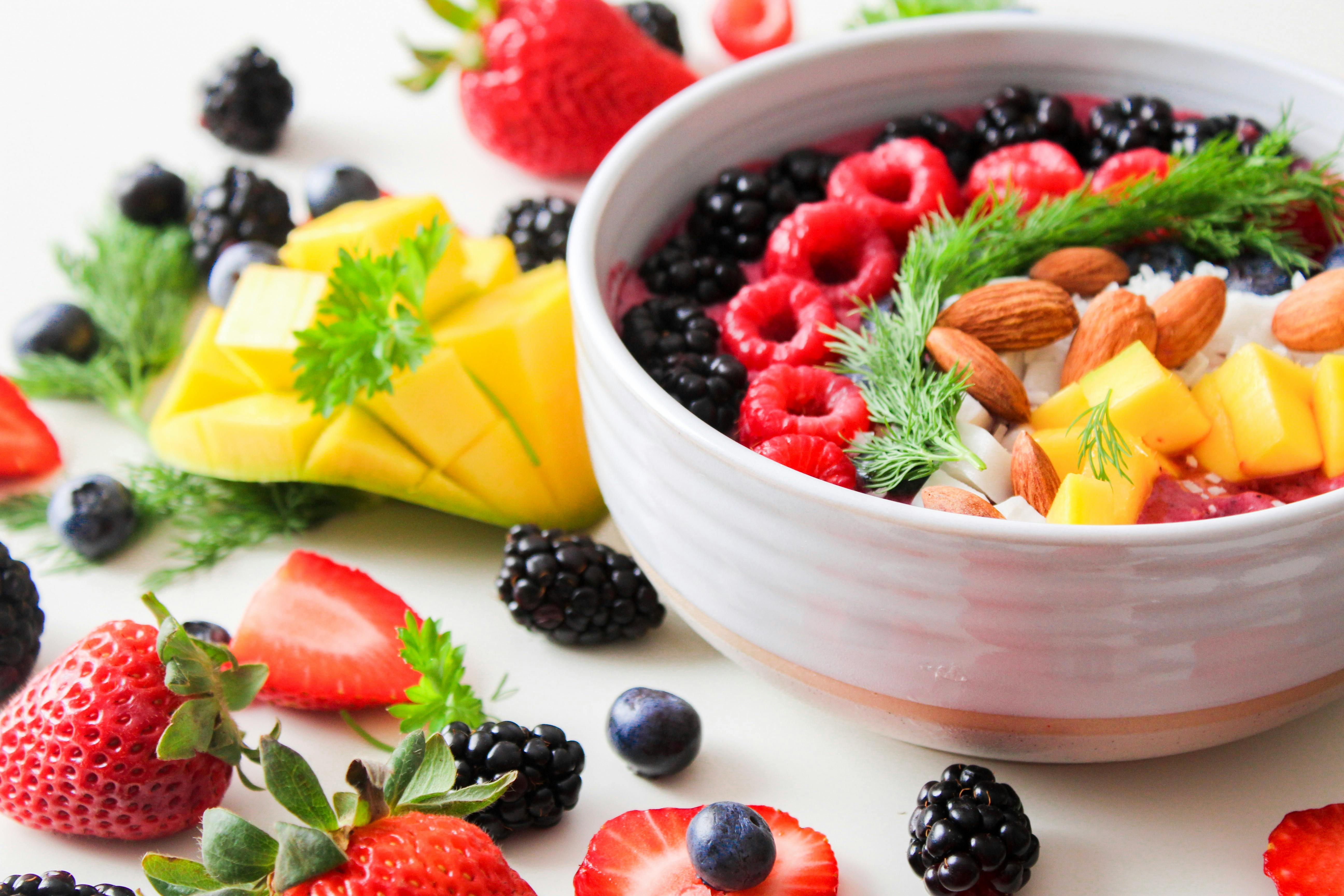
As the global population ages, concerns about cognitive decline and dementia are becoming increasingly pressing. Recent research has spotlighted the MIND diet—a hybrid of the Mediterranean and DASH diets—as a promising approach to mitigate cognitive decline. This article mainly introduces a study has found that adherence to the MIND diet is particularly beneficial for women and Black individuals, highlighting both the diet’s potential and the need for tailored health recommendations.Understanding the MIND DietThe MIND diet, which stands for Mediterranean-DASH Intervention for Neurodegenerative Delay, is designed to enhance brain health. It emphasizes the consumption of whole foods while minimizing processed foods. Key components include:1.Leafy Greens: Spinach, kale, and other greens are rich in nutrients that support brain health.2.Berries: Blueberries and strawberries are particularly noted for their antioxidant properties.3.Nuts: A healthy source of fats and proteins, nuts contribute to cognitive function.4.Whole Grains: Foods like oatmeal and brown rice provide essential fiber and nutrients.5.Fish: Fatty fish rich in omega-3 fatty acids are known for their protective effects on the brain.The MIND diet also advises limiting red meats, sweets, and fried foods, which are linked to cognitive decline.Key Findings of the StudyThe recent study, published in a leading journal, analyzed data from a diverse cohort, focusing on dietary patterns and cognitive health. Researchers found that adherence to the MIND diet was associated with a slower rate of cognitive decline, particularly among women and Black people.WomenThe study revealed that women who followed the MIND diet showed significantly better cognitive performance as they aged. This finding is particularly relevant given that women typically have a higher risk of developing Alzheimer's disease and other forms of dementia. Researchers suggest that the protective effects of the MIND diet may stem from its emphasis on nutrient-rich foods that combat inflammation and oxidative stress—key factors in cognitive decline.
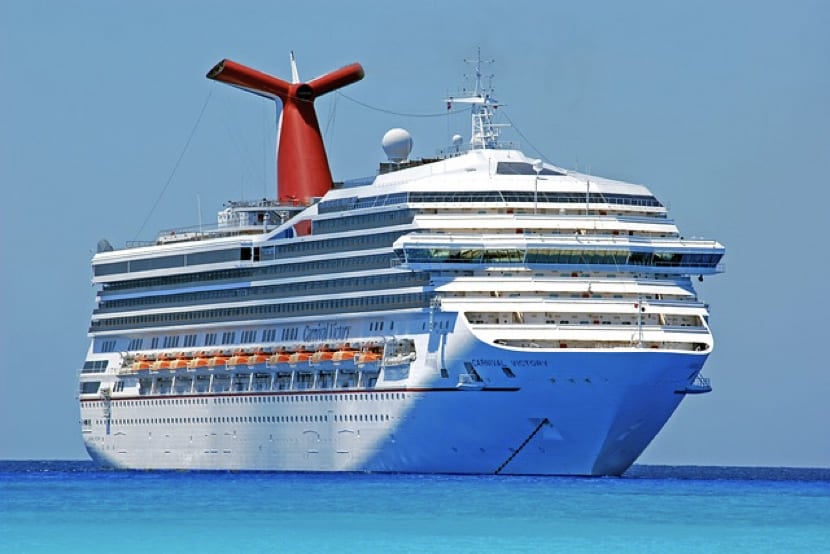
Figure Out Ways to Get Last-Minute Cruise Deals
After the turmoil and shutdowns in the cruise industry during the pandemic, cruising is resuming with a triumphant return. And cruise intent is higher now than it was pre-pandemic, according to the latest report. Some 85% of travelers who have taken a cruise, will cruise again, that figure is 6% higher than pre-pandemic. The report also reveals that passenger volume during 2025 is expected to exceed 35 million people, an unimaginable figure, and 106 percent of 2019 levels. Consumers have also reported that the cruise industry is witnessing higher numbers of solo travelers and those with mobility challenges, and an increase in Gen X and millennials booking cruise vacations. With increased demand for cruise travel, one of the world's hottest sectors of tourism, how can you find a last-minute cruise deal for 2025? Continue reading to learn how to stick the landing when booking your dream cruise vacation for less.Be Open to Your Departure Dates and PlacesHaving an open mind is critical when you are searching for last-minute cruise departures. Cruise lines frequently discount heavily to fill unsold cabins in the weeks leading up to the sail date. If you can be flexible with your travel dates or can take a trip on short notice, you'll find that you can score a great deal more often. Also, be flexible with your destination. Popular routes, like the Caribbean or the Mediterranean, may have greater availability, but lesser-known itineraries can also yield unique experiences at a fraction of the cost. In fact, the window for scoring last-minute cruise deals is within 90 days of a sailing. That three-month point is when final deposits are due on a cruise, and historically the last that you could cancel your cruise without being financially penalized.Book Through OTAs or Travel Deal SitesOnline travel agencies (OTAs) such as Expedia, CruiseDirect and VacationsToGo specialize in aggregating cruise deals from different providers. These booking platforms usually feature sections for last-minute deals, allowing you to review prices and itineraries easily. Also, deal sites like CruiseCritic and LastMinuteCruises cater exclusively to cruise discounts, offering curated lists of the best deals available. So keep an eye on these sites as they add new offers frequently.Book During Wave SeasonVolume is, of course, how cruise lines keep you coming back: Wave season (which spans January through March) is the best time of year for cruise deals. Cruise lines tend to have some of the best prices and perks (free upgrades, drink packages, reduced deposits) during this time. Even if you're preparing for a last-minute getaway, booking during wave season can help get you a better deal.Check for Group or Membership DiscountsSome cruise lines provide discounts for specific groups, including seniors, military members or if you belong to organizations like AAA or AARP. Cruising also has its own loyalty programs, which can offer access to exclusive deals and perks. Since anyone from one of these groups can potentially qualify for a discount, ask about any available discounts when booking your cruise.Keep an Eye on Price Drops After You BookIf you have already booked a cruise and suspect that prices will drop, monitor the fare. Some cruise lines will give price protection or onboard credit if the price of your cabin drops after you have booked. That's not a guarantee, but it's something to keep an eye on, especially if you've booked as far in advance as possible.Don't Underestimate the Benefits of Traveling Off-PeakCruising out of season can save you a lot of money. For instance, Caribbean cruises tend to be less expensive on hurricane season (late summer to early fall), whereas European cruises might be cheaper on shoulder seasons (spring and fall). If you travel to popular destinations during off-peak seasons, you benefit from lower prices and limited crowding.To conclude, the best last-minute cruise rates come from the ability to be flexible, have performed your research and are prepared to take action very quickly. With the help of online resources, collaborating with cruise experts, and keeping an eye on deals, you can score amazing penny-saving offers for your upcoming cruise mission.