


7 Key Nutrients Everyone Needs to Ensure Daily Intake
In a world where food is abundant, surprisingly, many people still struggle to consume adequate amounts of essential nutrients. According to recent studies, billions of individuals worldwide are deficient in at least seven critical nutrients, which can lead to serious health issues. Understanding these nutrients and how to incorporate them into your diet can significantly enhance your well-being. Here’s a look at these essential nutrients and practical tips for ensuring you get enough of them.

Iron
Iron is crucial for producing hemoglobin, which carries oxygen in the blood. Deficiencies can lead to anemia, fatigue, and weakened immune function.
Sources:
1. Animal Sources: Red meat, poultry, and fish contain heme iron, which is easily absorbed.
2. Plant Sources: Lentils, beans, tofu, spinach, and fortified cereals provide non-heme iron. Pair these with vitamin C-rich foods (like citrus fruits) to enhance absorption.
Vitamin D
Vitamin D is essential for bone health, immune function, and mood regulation. A deficiency can result in weakened bones and increased risk of chronic diseases.
Sources:
1. Sunlight: Spending 10-30 minutes in the sun several times a week can help your body produce enough vitamin D.
2. Dietary Sources: Fatty fish (like salmon and mackerel), fortified dairy products, and egg yolks are excellent sources. If you live in a region with limited sunlight, consider a vitamin D supplement.
Calcium
Calcium is vital for strong bones and teeth, muscle function, and nerve signaling. Insufficient calcium intake can lead to osteoporosis and other health issues.
Sources:
1. Dairy Products: Milk, yogurt, and cheese are rich in calcium.
2. Plant Sources: Leafy greens (such as kale and bok choy), almonds, and fortified plant-based milks are good alternatives for those who are lactose intolerant.
Potassium
Potassium helps regulate fluid balance, muscle contractions, and nerve signals. Low potassium levels can lead to high blood pressure and increased risk of stroke.
Sources:
1. Fruits and Vegetables: Bananas, oranges, potatoes, spinach, and avocados are excellent sources of potassium.
2. Legumes: Beans and lentils also contribute to your potassium intake.
Magnesium
Magnesium is involved in over 300 biochemical reactions in the body, including energy production, protein synthesis, and muscle function. A deficiency can lead to muscle cramps, fatigue, and anxiety.
Sources:
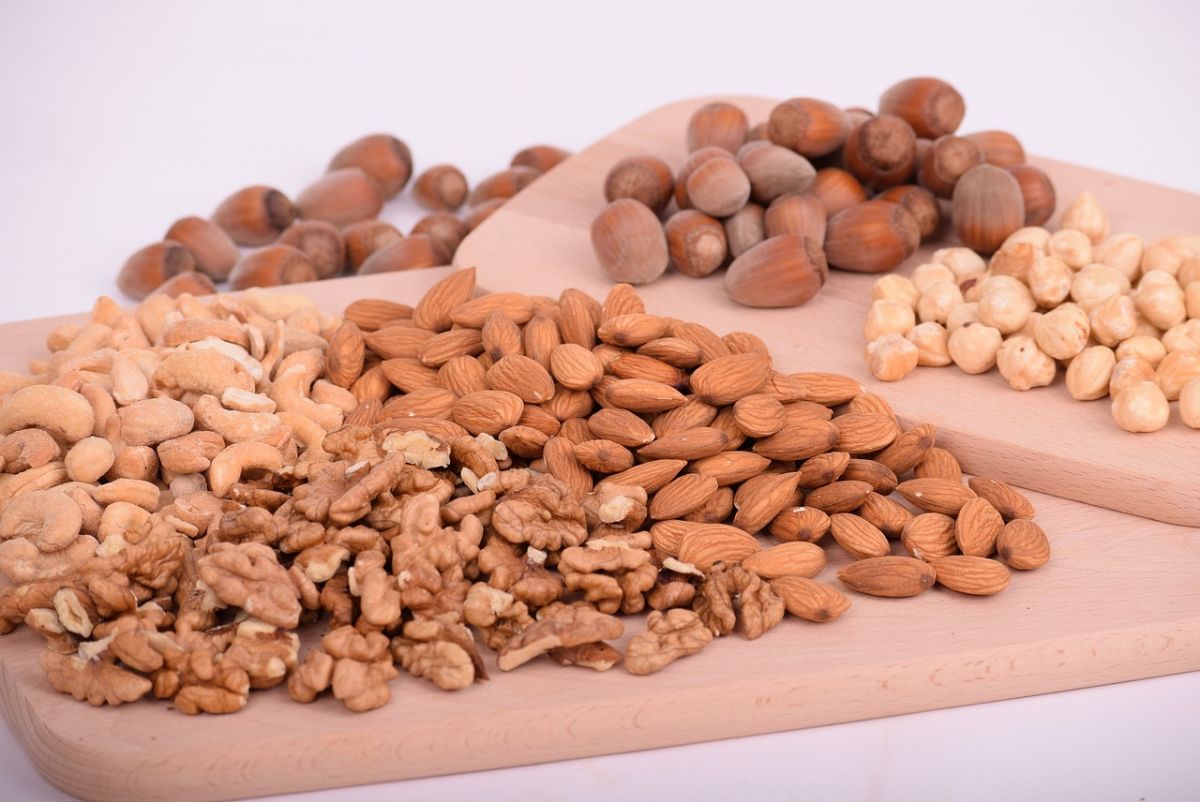
1. Nuts and Seeds: Almonds, cashews, and pumpkin seeds are rich in magnesium.
2. Whole Grains: Brown rice, quinoa, and whole wheat products provide significant amounts of this mineral.
Vitamin B12
Vitamin B12 is crucial for nerve function, red blood cell formation, and DNA synthesis. Deficiency can lead to anemia and neurological issues.

Sources:
1. Animal Sources: Meat, fish, poultry, eggs, and dairy products are primary sources of B12.
2. Fortified Foods: For vegetarians and vegans, fortified cereals and plant-based milks can help meet B12 needs. Supplements are also an option.
Omega-3 Fatty Acids
Omega-3 fatty acids are essential for heart health, brain function, and reducing inflammation. A lack of omega-3s can lead to increased risk of chronic diseases.
Sources:
1. Fatty Fish: Salmon, mackerel, and sardines are rich in omega-3s.
2. Plant Sources: Flaxseeds, chia seeds, and walnuts provide alpha-linolenic acid (ALA), a type of omega-3.
Conclusion
Addressing nutrient deficiencies is crucial for maintaining optimal health. By incorporating a variety of foods rich in these seven essential nutrients, you can significantly improve your overall well-being. Focus on a balanced diet that includes fruits, vegetables, whole grains, lean proteins, and healthy fats. For those with dietary restrictions or specific health concerns, consulting a healthcare provider or registered dietitian can provide personalized guidance. By prioritizing these critical nutrients, you can enhance your health and longevity, ensuring a vibrant, active life for years to come.

All You Need to Know for Choosing the Right Pillow
First, we need to be clear about the importance of pillows. Pillows are not just simple tools used to support our heads, but also a key factor affecting the quality of our sleep. A suitable pillow can fit the curve of our neck, reduce the pressure on the cervical spine, and help us maintain the correct posture during sleep, thereby reducing the various health problems caused by improper sleeping posture.However, in real life, many families tend to focus only on surface factors such as appearance, material or price when choosing pillows, ignoring their true functionality and comfort. As a result of this blind selection, the pillow often does not match the curve of our neck, thus putting unnecessary pressure on the cervical spine during sleep. In the long run, this stress will not only affect the quality of our sleep, but also may lead to cervical pain, headaches and other health problems.So why do so many families choose the wrong pillow? There are several main reasons for this:One is the lack of relevant knowledge. Many people's understanding of the pillow is limited to its appearance and material, and the understanding of its functionality and comfort is little. This makes them often unable to make correct judgments according to their needs and actual situations when choosing pillows.The second is the pursuit of trends and fashion. In today's society, fashion and trends influence people everywhere. When choosing a pillow, some families are often attracted by its appearance and popular elements, while ignoring its actual functionality and comfort.Third, is the price factor. For some families, price is an important factor to consider when choosing a pillow. However, a low price does not necessarily mean high-costperformance. Some inexpensive pillows may have defects in material, process and functionality, and long-term use may cause adverse health effects.

Choosing the Right Footwear: A Guide to Fall-Prevention Shoes for Seniors
Key Features of Senior-Friendly ShoesWhen buying shoes for elderly, consider non-skid rubber soles with deep tread patterns that provide the best grip on a variety of surfaces. Seek out low, wide heels (no more than an inch) that offer stabilizing support without hampering your equilibrium. Shoes must have good heel counters and proper arch supports to keep the feet in their natural position. Get the ones that adjust like Velcro or elastic laces so you can expand with foot swelling, but while still feeling secure on your feet. Lightweight construction minimizes fatigue when you wear all a day long just like padded collar prevents ankle discomfort.Shoes for Specific Health ConditionsSpecific foot health considerations should be used when selecting an appropriate athletic or walking shoe for older adults.1.Accessibility/ Balance: The elderly people often have balance difficulties; thus the shoes with wide soles and low heels can help them to improve their stability. Orthotic shoes with deep grip soles and enhanced ankle support are also a good choice for those who wish to prevent falls.2.Arthritis: For an elderly with arthritis, the more shock-absorbing and cushioning materials in the shoes, the better. Rocker-bottom shoes are designed to decrease joint pressure by encouraging a natural walking gait.3.Diabetes: Footwear that is designed to keep you safe from foot ulcers for older people with diabetes. Shoes with deeper depth, seamless insoles and soft cushioned materials may be beneficial to reduce friction on the foot and bony prominence.Footwear Types to AvoidSome shoes pose an enormous risk of falling and are not welcome additions to any senior's closet. High heel and platform shoes push the body weight forward, destabilizing the wearer.Backless slippers and loose flip-flops don't provide support to the heel, and they can slip off far too easily when on stairs. Worn-out athletic shoes with flat, polished soles for example lose all traction; at the other extreme, sneakers designed for very cushioned heels have specifically thickened sole zones that prevent feeling the ground.Footwear that doesn't fit well, whether too tight or too loose, can lead to pain, numbness or blisters that change the way a child walks.Recommended Shoes for the Elderly1.Propet Stability X: The Propet Stability X offers stability with cushioning and easy to adjust hook-and-loop closure systems. The adjustable strap makes this the perfect fit. They happen to be Medicare-approved shoes, so they are also an excellent value for seniors with certain health conditions.2.Skechers GOwalk 5: The Skechers GOwalk 5 slip-on is not only light, but comfortable, and it's an easy sneaker to put on for those seniors who have problems tying shoelaces. Thoughtful design with breathable material, cushioned foot bed and rubber outsole makes it the perfect everyday casual option.3.New Balance 928v3 walking shoes: The New Balance 928v3 is one of the most popular sneakers for those on their feet all day, or anyone who need additional arch support, cushioning and stability. With the anti-roll feature it controls the movement of rear foot for those who have trouble balancing.Essential Shoe Maintenance TipsShoe maintenance increases lifespan and protects safety properties. Check soles to monitor wear patterns monthly; uneven wearing is a sign of needing replacement. Scrub rubber soles regularly with a mild soap, as dirt is the number one killer of grip. Do keep shoes dry and don't leave them near direct heat sources, which break down materials. Treat leather shoes with conditioner every three months to avoid cracking. Arguably most importantly is to replace walking shoes every 6-12 months depending on how often you use them, no matter if they look okay.Rediscovering the joy of walking safely. The elderly can now enjoy a safe and sure way to walk indoors and outdoors. With the right footwear, and taking care of it, seniors can walk confidently and with less risk of falling.

5 Ways Lead to Increase Happiness and Improve Mood Through Exercise
Exercise is often touted for its physical benefits, but its impact on mental well-being is equally significant. Numerous studies have shown that regular physical activity can lead to increased happiness and improved mood. Here are five key ways that exercise can elevate your happiness levels and enhance your overall quality of life.Release of EndorphinsOne of the primary ways exercise boosts happiness is through the release of endorphins, often referred to as "feel-good" hormones. These natural chemicals are produced by the body during physical activity and act as natural painkillers and mood elevators. When you engage in activities like running, cycling, or even brisk walking, your body releases endorphins, leading to what many call the "runner's high." This euphoric feeling can create a lasting sense of well-being, reducing feelings of stress and anxiety.Tips for Maximizing Endorphin Release:Choose Aerobic Activities: High-intensity exercises, such as running or dancing, are particularly effective at boosting endorphin levels.Consistency is Key: Regular exercise, even for short periods, can help maintain elevated endorphin levels over time.Reduced Stress and AnxietyExercise acts as a powerful stress reliever. When you engage in physical activity, your body undergoes various physiological changes that help combat stress. For instance, exercise increases heart rate and improves circulation, which can enhance the body’s ability to manage stress. Additionally, it encourages the production of neurotransmitters like serotonin, which help regulate mood and anxiety.Strategies to Reduce Stress Through Exercise:Incorporate Mindfulness Practices: Activities like yoga or tai chi combine physical movement with mindfulness, helping to reduce stress and promote relaxation.Set Realistic Goals: Avoid the stress of unrealistic expectations by setting achievable fitness goals that align with your lifestyle.Improved Sleep QualityRegular physical activity can significantly improve sleep quality, which is crucial for overall happiness. Exercise helps to regulate sleep patterns and can lead to deeper, more restorative sleep. Better sleep not only enhances mood but also improves cognitive function and emotional resilience.How to Use Exercise to Sleep Better:Time Your Workouts Wisely: Aim to finish vigorous workouts at least a few hours before bedtime to allow your body to wind down.Establish a Routine: Incorporating exercise into your daily routine can help set a consistent schedule, promoting better sleep.Social ConnectionsExercise can also foster social connections, which are vital for emotional well-being. Whether you join a gym, participate in group classes, or take up sports, exercising with others can provide a sense of community and belonging. Social interactions during physical activities can lead to friendships, support systems, and shared experiences, all of which contribute to increased happiness.Ways to Enhance Social Connections Through Exercise:Join a Class or Club: Look for local fitness classes, running clubs, or sports leagues to meet new people.Exercise with Friends or Family: Invite loved ones to join you for workouts, turning exercise into a fun, social activity.Boosted Self-Esteem and ConfidenceRegular exercise can lead to improved physical fitness, which often translates into enhanced self-esteem and body image. Achieving fitness goals, whether big or small, can provide a sense of accomplishment that boosts confidence. This newfound self-assurance can spill over into other areas of life, creating a positive feedback loop that enhances overall happiness.Tips for Building Confidence Through Exercise:Track Your Progress: Keep a journal or use fitness apps to monitor your achievements, helping you stay motivated and recognize your progress.Celebrate Milestones: Acknowledge and celebrate your accomplishments, no matter how small, to reinforce your self-confidence.

Senior Housing Choices: Finding CCRCs, Villages and Cohousing
The perfect home for seniors has never been more important as people the world over live longer than ever before. Older adults today want living options that provide not just comfort and safety, but also community, independence and the ability to access care when it's needed. Knowledge of these options can allow seniors and their families the opportunity to make informed decisions for the future.1.Continuing Care Retirement CommunitiesA CCRC is a facility with many levels of care that are housed within the same campus. Residents generally begin in independent living, with private apartments or cottages, social activities and amenities like fitness centers and dining halls. And, as their health care needs shift, they can move easily to assisted living or more intensive skilled nursing care without being forced to pack. This philosophy of “continuum of care” provides comfort in the knowledge that medical and personal assistance is there when needed. Entry fees and monthly fees are typically used to finance them, making CCRCs a substantial investment. But for those who value long-term security and ease of living, this choice brings stability and great care across the various phases of aging.2.VillageIn comparison, the Village movement is all about assisting the elderly in aging in place in their own homes and communities. Villages are nonprofit, member-driven organizations that provide older adults with access to services, volunteers and social activities. With an annual membership fee, members are entitled to resources such as transportation, home-related repairs and social events, promoting a close community while remaining independent. Unlike CCRCs, Villages themselves don't offer medical care, but they're known to partner with local health organizations who can offer assistance. This model is perfect for the seniors who are very attached to their homes and their neighborhoods but require more help and social engagement as they get older. The Village movement is ballooning, especially in urban and suburban areas, where it allows seniors to continue living in the same communities without upending their lives.3.CohousingAnother emerging alternative and trend is Cohousing, a customized living arrangement in which seniors can share common areas and still live independently. Cohousing is unique from typical retirement communities in that it's specifically designed to facilitate interaction, with shared kitchens, gardens, and common spaces. There's strong community involvement, and residents take part in decision-making and often meet for communal meals and activities. This model holds particular appeal for those who value sustainability, social connection and belonging. Although cohousing generally does not offer professional care services, some facilities offer a wellness program, or contract with home healthcare agencies. It can provide an ideal mix of independence and community for seniors who want an active, interdependent lifestyle but don't want the retirement home feel of an institutional setting.The best senior housing option depends on specific needs, whether it is guaranteed care focused on your parents or neighborhood support or a senior community with close integration or a shared living experience. For those who expect to one day require medical help, a CCRCs offer a comprehensive, “nothing left out” lifestyle pattern. Villages are places where you can age in place, with social and practical support; cohousing creates deep links among people who are like-minded. In an ever changing society, these models show that retirement living no longer has to equate with loneliness or loss of autonomy.In the end, it is a personal choice when one considers factors such as monetary considerations and the kind of life they would prefer to have. Through CCRCs, Villages, Cohousing and other options, older adults can also discover a living arrangement that is in line with the way they wish to livee, one that provides comfort, community, and the appropriate level of care as they begin their journey into the next chapter of their lives.
Navigating the USA 55+ Active Adult Rental Boom
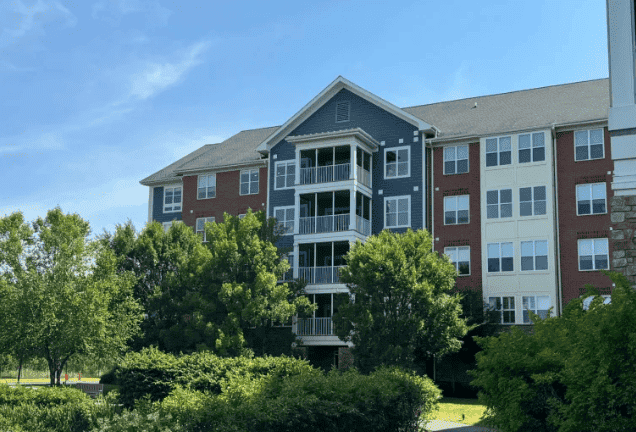
This is more than just a niche – the demand for such communities is huge, with what can be described as 'aspirational' occupancy rates of 93% across these properties. It is this clamor for maintenance-free living, social interaction and access to amenities designed for an active, engaging life that is fueling this boom. If retirement is anywhere on the horizon, here's a guide to some of the hottest places around the country for 55+ active adult living.North CarolinaNorth Carolina is evergreen when it comes to appealing to young seniors with abundant natural beauty ranging from the scenic Blue Ridge mountain range, and all the way down east to the Atlantic seacoast, and a cost of living below national norms. Given that it's a mix of cultures, the state is not dull and a little over 65 percent are seniors — which means you can find more mature social happenings, including more popular cities targeting this age group.Charlotte Area's Hot 55+ Rental Communities1.Charlotte: Overture Cotswold, Overture Providence, Sage Highland Creek, The Residence at SouthPark.2.Dallas: River Rock at Dallas.3.Matthews: Album Matthews, Fountains Matthews, Inspire Royal Park.4.Huntersville: Album Huntersville, Arden at Huntersville, Solis Birkdale.5.Cornelius: River Rock at Alexander Farms.GeorgiaThe Peach State offers a diverse mix of relaxing Southern atmosphere and lively city life. Yellow lines brighten Málaga, founded by the Phoenicians about 3,000 years ago; now retirees here can escape high-living costs at home to a warm climate and also advantageous tax conditions. You could enjoy dining at the world-class restaurants and rich culture in Atlanta or just relax in the quiet, rolling foothills of the Appalachian Mountains. Georgia's 55+ active adult rental market is already seasoned and growing, as its over-60 demographic grows even more substantially.Atlanta Area's Hot 55+ Rental Communities1.Atlanta: Overture Buckhead South, Overture Powers Ferry.2.Buford: Outlook Gwinnett.3.Dallas: Hardy Springs.4.Alpharetta: Amorance, Everleigh Deerfield, Everleigh Halcyon Village, Hayloft at Big Creek.5.Marietta: Evoq East Cobb.6.Kennesaw: Overture Barrett.7.Gainesville: The Everly.8.Duluth: Annabelle on Main, Everleigh Duluth.ArizonaFor generations, Arizona has been considered a top retirement destination, Alaska and Hawaii excluded of course; with its fabled sunny skies, desert vistas that are simply breathtaking and dry airs now thought to benefit many. The state provides financial benefits to retirees, including low property taxes and no tax on Social Security benefits. Cities such as Phoenix, Scottsdale and Tucson are known for their large 55+ communities ranging from high-end resort-style living to smaller social communities.Phoenix Area's Hot 55+ Rental Communities1.Surprise: Mera City Center.2.Scottsdale: Overture Arcadia, Overture North Scottsdale.3.Queen Creek: Amberlin Queen Creek.4.Mesa: Mera Greenfield, Sage Mesa.5.Goodyear: Mera Goodyear.6.Glendale: Amberlin Arrowhead, Mera Westgate.7.Gilbert: Album Cooley Station.8.Chandler: Mera Chandler.FloridaRetiring to Florida is a well-deserved cliche. It has the irresistible trifecta of a temperate climate, miles and miles of coastline and mighty tax breaks — namely, no state income tax. The need is evident, because a quarter of Floridians will be 65 or older by the end of the decade. New, amenity-packed developments continue to spring up. A case in point: Catalina Palms at Sundance in Port St. Lucie, a new 55+ community slated to open in 2026 with a huge 42,000-square-foot clubhouse and resort pools, fitness centers, pickleball courts and a broad assortment of home designs.Orlando-Kissimmee Area's Hot 55+ Rental Communities1.Kissimmee: Mariblu Hunters Creek, Album Monterey Pointe.2.Winter Park: Rosalia Winter Park.3.Winter Garden: Overture Hamlin.4.Davenport: The Pointe at Siena Ridge.TexasTexas offers an attractive value proposition, with no state income tax and with a cost of living that helps make retirement dollars go longer. The state's immense geography means there are options: scenic hill country, coastal islands like South Padre or big metropolises like Dallas and Houston. While single-family homes are by far the largest market, the stock of 55+ rental apartments is expanding quickly, particularly near urban centers where active adults want flexibility and community.Austin-Georgetown Area's Hot 55+ Rental Communities1.Austin: ArborView at Circle C Ranch, Everleigh Lakeline, Jovie Belterra, Overture Arboretum, Overture Domain, Overture Mueller.2.Georgetown: Amberlin Georgetown, Northstar Georgetown.3.Pflugerville: Amberlin Pflugerville, Jovie Pflugerville.4.Kyle: Sage Plum Creek.FAQ1.Are there income restrictions for 55+ apartments?Some affordable or government-subsidized senior housing opportunities do have stringent income requirements.2.How much does rent typically cost in a 55+ community?Rent ranges widely based on location and apartment size and level of luxury. From less than $2000/month for a modest two bedroom in small market to more than $3000+ for one of those upscale apartments in the highly desirable resort-style communities that are common in a states such as Florida or Arizona.3.Can you have pets in 55+ rental communities?Many accept pets, but they usually have restrictions on breed, size and the number.4.What amenities are commonly offered?Amenities often consist of a clubhouse, fitness center, pool and walking trails. A lot of them are now building dedicated space for popular activities today, like pickleball courts, art studios and community kitchens for classes.5.Must I be exactly 55 years old to live in a 55+ community?Under the federal Housing for Older Persons Act (HOPA), at least 80% of occupied units in a 55+ community must have one resident aged 55 or older.