


Stepping into the Digital World: How Tech Will Transform Factories
Supported by key technologies like artificial intelligence, factories are expected to become smarter in the future.
Factory of the future is no longer a dream, it is a reality waiting to happen. Artificial intelligence (AI), robotics, and digital technologies — bolting together in new ways — are advancing the state of manufacturing with a high-speed overhaul. Tomorrow's factories are going to be smarter, quicker and more efficient than ever before, from AI-enabled production lines straight through to the idea of digitally cloning entire vehicles.
AI and Robotics: The Future Factories' Backbone
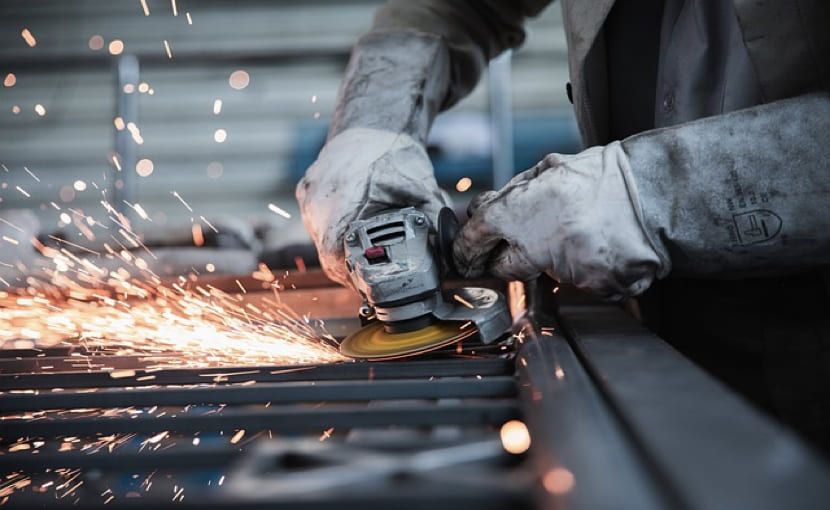
Artificial intelligence is at the core of this transformation. AI is already being applied to optimize production processes, anticipate maintenance needs and improve quality control. AI would help automate tasks like assembly-line work without the need for as many human workers. For instance, systems powered by AI will design and produce parts with little human involvement. Through generative design algorithms, AI can produce components that are lighter, more durable and more efficient than those crafted by a human being. Such algorithms evaluate thousands of design permutations, accounting for material properties, stress points, and production limitations before arriving at an optimal solution.
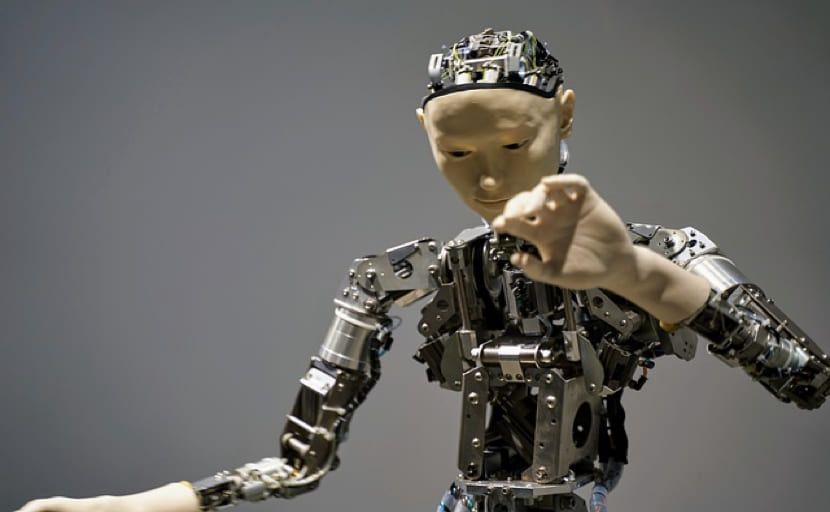
AI will also transform robotics. A generation of traditional robots that have been programmed to carry out tedious tasks will be replaced by collaborative robots that can function alongside humans. Couple this with the rise of adaptive equipment like collaborative robots, and we are getting closer to intelligent equipment that can adapt to new tasks and environments on the fly. There is also potential for collaborative bots to adapt to new tasks by observing human workers, for example, a collaborative robot for auto assembly might learn to put together a new model of car by watching a human worker, saving time and money compared to having to reprogram them.
Digital Twins
Digital twins have been one of the most exciting developments in the future factories. For those unfamiliar, a digital twin is defined as being a virtual copy of a physical element, process, or system. For automakers, it results in a digital copy of a car that resides in the virtual world. The car's digital twin isn't a simple model; it's a works-in-progress, ever-adaptive, live replica that reflects the physical car's operation and abilities.
Digital twins allow manufacturers to simulate and examine every aspect of a vehicle's design and production before a single piece of metal is bent. For instance, a digital twin can help engineers assess how a vehicle will behave in various driving conditions, detect potential design defects, and maximize performance. This minimizes the need for expensive physical prototypes and speeds up the development process.
Customization at Scale
Another major capability of future factories will be the ability to deliver scale production of highly customized products. For much of its history, mass production meant standardization. But thanks to abilities of AI, robotics and additive manufacturing (3D printing), we can now produce bespoke products without sacrificing efficiency.
In the automotive sector, for instance, customers will have the opportunity to customize every facet of their vehicle, including paint, interior fabrics, and performance requirements. AI-driven production systems will be able to fulfill these customized orders seamlessly, tweaking the production process on the fly to meet individual tastes.
Circular Manufacturing and Sustainability
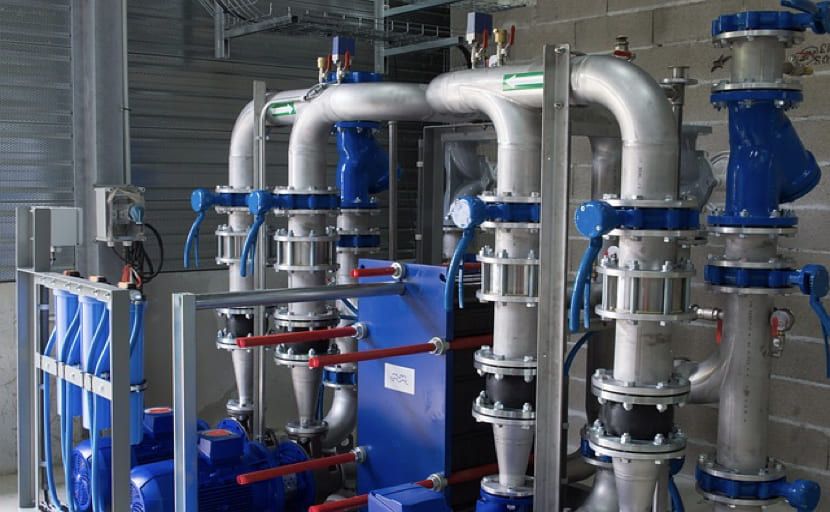
Sustainability will also be a priority in the factory of the future. The pressure on manufacturers to adopt more sustainable practices is inescapable, as fears over climate change and resource depletion increase. For example, AI can help factories save energy, lowering their carbon footprint. Digital twins have the potential to create new designs of products that are easier to recycle or upgrade, thus enabling a circular economy. Additive manufacturing will also yield greater sustainability through less material waste. Traditional methods remove material to make a part, but 3D printing is additive, and one uses only the material they strictly need to build a product, layer by layer.
To sum up, the factory of the future will be a combination of technology and human mind. Artificial intelligence, robotics, digital twins and additive manufacturing will change the way products are designed, manufactured and delivered. This will allow for more customization, sustainability, and efficiency, ushering in a new era of manufacturing.
Relative News

