


Protecting Your Digital Assets in the Modern Age
As the world continues to go online, the importance of ensuring your digital assets are protected reaches the same level as securing physical assets. Digital assets can be quite eclectic, including; cryptocurrency, online accounts, intellectual property, sensitive documents and social profiles. The growing threat to cyber security, whether its hacking or phishing, now necessitates that strong security protocols be in place to restrict access and potential loss.

1.Strong and Unique Passwords
A password isn’t always enough to protect your digital property, one of the most basic things you can do to protect your digital self is have a password that’s strong and unique for every account. Too many of us don’t listen to that message — and wind up using the same password across multiple sites, which can have a domino effect of abuse if security at a just single one of those sites is compromised. A complex password would consist of mixed upper and lower case, numbers, and special characters.
2.Two-factor Authentication
Two-factor authentication (2FA) is an extra security layer beyond just a password. 2FA serves as a second form of identification and, as such, serves as an extra bar to entry for any unauthorized person looking to access your account or device, and thus, the sensitive information contained within. By requiring a second form of proof, something like a fingerprint or a one-time mobile code or a physical security key, for instance, 2FA raises the bar on entry. Many major services, ranging from banks, email providers, and cryptocurrency exchanges all support 2FA. A simple yet useful step to increase security is to have it turned on wherever possible.
3.Secured Private Keys
If you are a cryptocurrency or a blockchain-base-asset holder, you should make sure that private keys are secured. There is no way to recover lost or stolen keys (unlike bank accounts). So backup is critical. In any case, don’t put your private key on the internet, or anywhere nice and easily available online such as an email or cloud storage. All devices and software should be updated to have the necessary security patches. Also our approved antiviruses and malware scanners can find threats in real time before they do any damage.

4.Backups
Backups are really the unsung heroes in protecting your digital assets. Ransomware attacks, hardware crashes or an accidental deletion can erase years of data in a heartbeat. By periodically saving important file into an external hard drive or a reliable cloud service you make recovering something overhead easier. For the greatest safety, the “3-2-1” rule is often recommended: Have three copies of data, on two different storage types, with one stored offsite.
5.Never Click on Suspicious Links
Social engineering assaults, like phishing on email or a phony call to customer support, they exploit human weakness rather than technical ones. And always double-check the legitimacy of requests for sensitive information, never click on suspicious links. Knowing common scams and educating yourself and others about them can save time and money.
6.Long-term Planning
Lastly, examine estate planning for long-term planning of digital assets. A great deal of digital accounts and holdings are not available to heirs without certain documents. If you have a list of accounts, passwords and instructions to it and share it with a lawyer or family member you trust to access it after your death, this will ensure your valuable assets are distributed the way you want. For digital security, it’s also imperative to maintain up to date software, updating it as it becomes available. And a lot of cybercriminals take advantage of weaknesses in outdated operating systems, applications or firmware.

Ultimately, in a world that is increasingly connected, proactive security is critically not a luxury but a requirement. You can take action to mitigate the risk to themselves and their digital assets with this sequence of steps to protect themselves in the longer term.

Filtered Coffee: A Brew for a Longer Life
Coffee is a drink that is loved by people all over the world, and has been the principal food in many countries for centuries. The strong flavor and the function of pick-you-up make it the first product touched by millions of people in the morning all around the world. However, not all coffee are the same, a recent study finds that filter coffee might be healthier and more helpful for us, even in expanding your life span.The Chemistry of CoffeeCoffee is filled with complex chemical compound, including caffeine, antioxidant and all kinds of acids. The way you make them can have distinctive influence on the density of these chemicals. Filtered coffee needs to make hot water go through the grid coffee beans, catch liquid and make coffee grounds stay in the meantime. Compared to other methods like espresso or French-pressed coffee, this process may lead to the relatively low level of some certain chemical compounds.The Compounds in Filtered Coffee Are HealthierOne of the most distinctive differences of filtered coffee is the diterpene content is low, especially coffee alcohol and coffee bean alcohol. These compounds are high in unfiltered coffee, such as French pressed coffee. According to the study, coffee alcohol and coffee bean alcohol will escalate the cholesterol level of LDL, which is likely to cause heart disease. By filtering these compounds, filtered coffee become the optimal choice for those who pay attention to heart health.Antioxidants and Disease PreventionFiltered coffee is also rich in antioxidants which is a compound that protects cells from being hurt by radicals. The radicals are unstable molecules and can causes chronic diseases such as oxidative stress, cancer and diabetes. The antioxidants in coffee, including prochlorogenic acid and polyphenols can help neutralize free radicals, thus reduces the risk of this disease.Caffeine and the Cognitive BenefitsThere is no need to introduce more about the caffeine, a most famous ingredients in coffee, is a kind of central nervous system stimulant and can enhance alertness and cognitive function. Moderately taking caffeine has positive relations with memory improvement, nimble reaction and problem-solving skills enhancement. Although every coffee contains caffeine, the difference of filtered coffee is that it can control the volume you take, thereby, you can easily make the coffe you like with suitable density.Relations with LongevityA number of studies have shown that coffee do have some relations with longevity. Drinking moderate coffee can reduce the rate of die of all kinds of diseases, including heart disease, nervous system disease and suicide. Although it needs more studies to confirm this relation, these findings are still inspirational for those who like drinking a cup of coffee everyday.
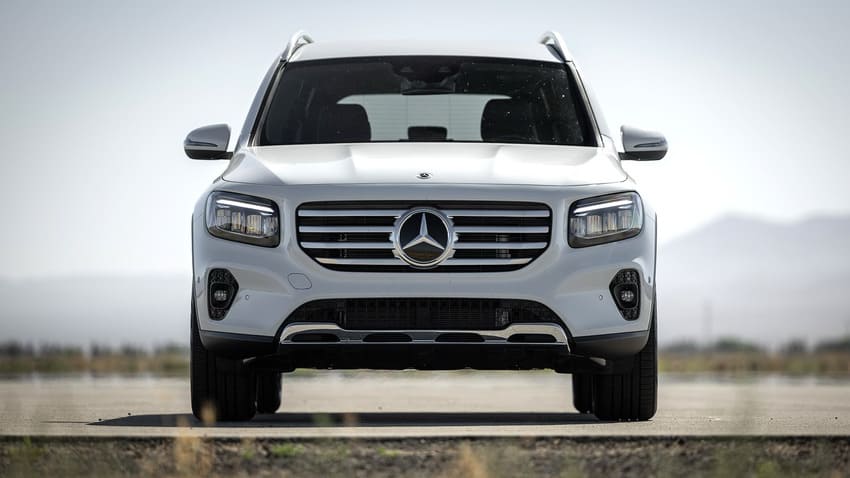
Top Luxury Subcompact SUVs in 2025
The luxury subcompact SUV segment is one of the rising stars of the automotive industry, bringing together stylish looks, ample performance, and everyday usability to make it easily one of the best automobiles for weekend warriors and urban explorers. And as we face forward to 2025, auto manufacturers are continuing to push the innovation envelope with new nameplates and upgrades to existing vehicles incorporating the latest technology, high-end materials and impressive performance. Here’s a rundown of some top luxury subcompact SUVs to look out for in the future.1. 2025 BMW X1Price: $42,125The 2025 BMW X1 continues to shine in the luxury subcompact SUV segment, offering up BMW’s signature driving dynamics in a roomy and tech-forward interior. The new version has a different look, with a more aggressive front grille and slick LED lighting. The X1 also features a turbocharged 2.0-liter four-cylinder under the hood that makes 241 horsepower and provides rousing performance. The cabin gets treated to high-end materials, a curved dual-screen display and the latest iDrive infotainment system. So there you have it, one of the best out there in 2025, due to its excellent mix of luxury and sportiness.2. 2025 Audi Q3Price: $38,695The 2025 model takes Audi’s Q3 a step further for something that’s long been popular among luxury subcompact SUV buyers. The exterior design comes more refined threads than the previous, sharper lines and a striking Singleframe grille. The Q3 uses a turbocharged 2.0-liter engine with an 8-speed automatic transmission to produce 228 horsepower with good fuel economy. Inside, the tech-lover’s dream — Audi’s Virtual Cockpit, a large touchscreen infotainment system and high-end leather upholstery. With a blend of style, technology and performance the 2025 Q3 is a serious player.3. 2025 Volvo XC40Price: $41,945If buyers are eco-conscious, the 2025 Volvo XC40 works. This all-electric luxury subcompact SUV boasts a range of up to 260 miles on a full charge and provides instant torque and smooth acceleration. The XC40 showcases Volvo’s Scandinavian minimalist design language, with a well-equipped, spacious cabin with sustainable materials. It uses Google's Android Automotive OS to power the infotainment system, which delivers tight Google apps and services integration. The XC40 has strong eco-credentials matched with a feeling of luxury that makes it our favourite 2025 choice.4. 2025 Mercedes-Benz GLB-ClassPrice: $46,950As unusual as it is impressive, the 2025 Mercedes-Benz GLB-Class remains a compact luxury SUV with high versatility. The GLB is a good pick for small families because it offers an optional third row of seats, unlike a lot of its subcompact SUV competitors. Bold, muscular exterior, and a luxury interior with high-end materials and features such as the MBUX infotainment system. A turbocharged 2.0-liter powers the GLB with 221 horsepower, while an AMG-tuned version offers more performance for those interested. Practical with a premium take on the compact SUV, the GLB is a standout for 2025.5. 2025 Cadillac XT4Price: $41,990The Cadillac XT4 in its upcoming '25 model year debut promises to be a breakthrough hit with its tonsilful appearance and haute features. For a turbocharged and responsive driving experience, there's a turbocharged 2.0-liter engine that delivers 235 horsepower. Its interior is spacious and luxurious, featuring premium materials, advanced tech features, and an easy-to-use infotainment system. Cadillac's Super Cruise system for (mostly) hands-free driving on compatible highways is also a hallmark of the XT4. The 2025 XT4 is a formidable competitor in the segment with its zesty combination of luxury, technology, and performance.The luxury compact SUV segment is more competitive than ever, and automakers have a level of choice suitable to their tastes and lifestyle. These cars serve as both the height of luxury and the forefront of innovation — making these the best buys for those best buyers here through 2024. In conclusion, as the segment continues to grow and evolve, one fact rings true, luxury subcompact SUVs are not going anywhere, and for good reason.
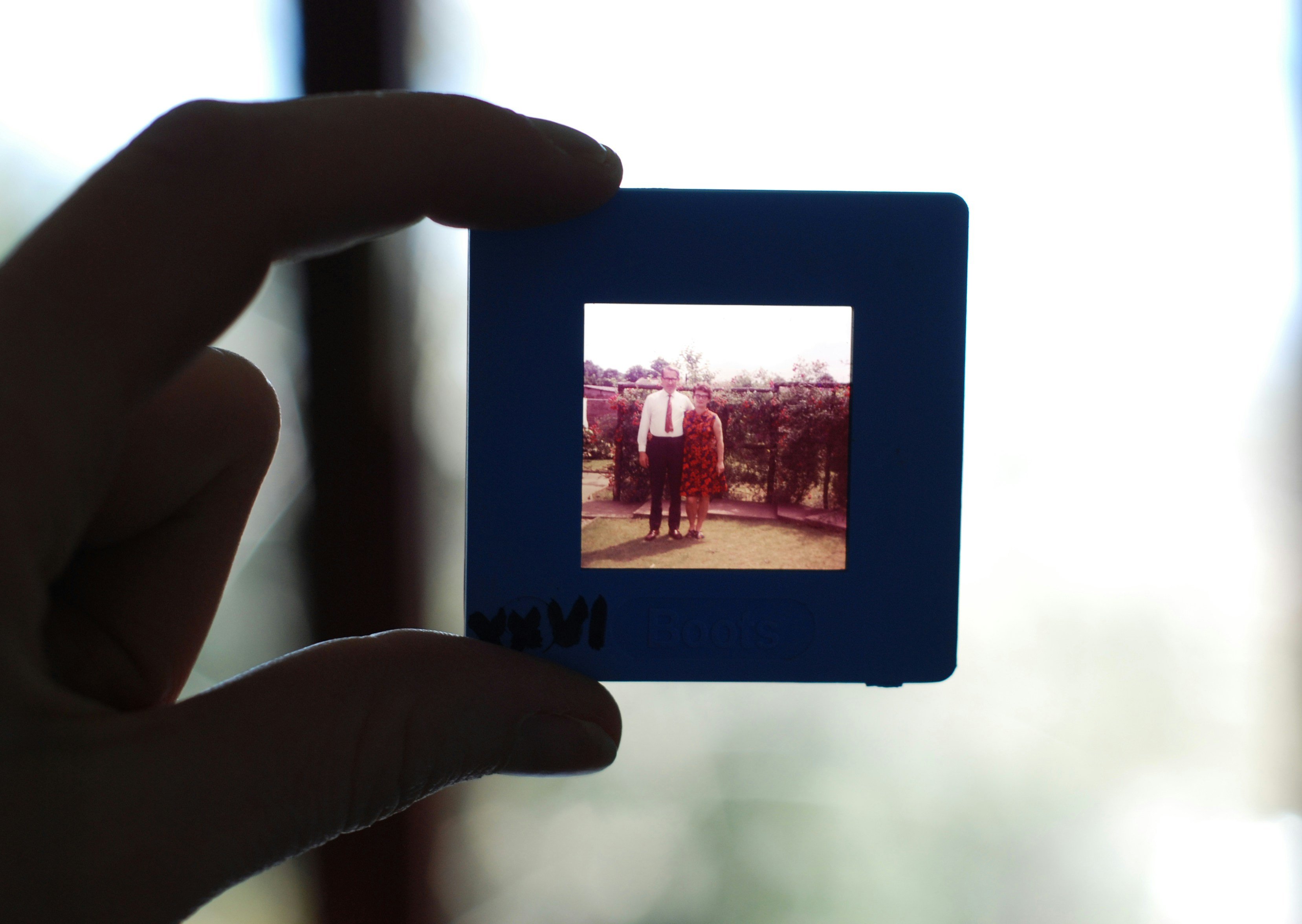
What Is the Best Material for Framing Restored Old Photos
A glass frame is a common photo mounting material that consists of a glass panel and a wooden or metal frame.1. Glass FrameThe transparency of the glass frame makes the photo clearly visible and can effectively block dust and moisture. In addition, the glass frame provides some protection from sunlight, air pollution and pollutants. Glass frames are a good choice for restored old photos. It canfully show the restoration effect of the photo and provide a certain protection. However, it should be noted that the glass frame may have a certain weight and fragility, so it needs to be handled carefully when hanging or handling to avoid accidental damage to the photo.2. Acrylic PanelAcrylic panel is a light and strong photo mounting material made of clear acrylic material. Compared to other materials, acrylic has lower weight and better resistance, so it is safer and easier to handle. The acrylic panel also can clearly show the details of the photo. Acrylic panels are an excellent choice for restored old photos. Not only does it provide protection from dust, moisture, and UV rays, it also enhances and improves the color and detail of your photos. In addition, the acrylic panel also has anti-reflection characteristics, which can reduce and lower the light reflection and make viewing more comfortable and clear.

Aspects to Focus on When Buying a Home Security Camera
Home security cameras are a valuable part of maintain safety and piece of mind. Whether you want to keep your home safe while you’re away, or you need to be able to see what’s happening at your front door, there are tons of options for home security cameras. With all of the options that are out there, and here are some things to consider to ensure you have a camera that works for you how you want it to.1.ResolutionThe resolution of the camera is another important consideration. More resolution typically means clearer images, and that can be critical when trying to identify faces or license plates. Many new cameras record in HD 1080p and even 4K resolution. But, of course, higher resolution also translates into larger file sizes, which can eat up more space and more bandwidth. If you plan on recording footage non-stop, you'll want enough space, whether that's cloud storage or a local solution such as microSD cards or network-attached storage (NAS).2.Size of the ViewThe size of the view is also a consideration. A broader perspective enables thus reducing blind spots and more coverage area for the camera. Cameras with field of view from 130 degrees to 180 degrees are typical, but welter-weight panoramic cameras with 360-degree coverage are available. If you are watching over a large space, like a garden or sitting room, then you may want a wider angle. But for more confined spaces, you may want to narrow the beam to prevent wasted coverage.3.ConnectivityAnother consideration is connectivity. The vast majority of home security cameras today have some type of Wi-Fi connection, but what kind of network device you're connecting to is going to make a difference. A poor signal may result in lagging or dropped connections if your camera is too far from the router. Some cameras have Ethernet ports for improved connectivity, or dual-band Wi-Fi for better signal. Wireless (battery operated) cameras are versatile where you can place them, only to have the hassle of replacing, or recharging batteries.4.StorageThere are various storage options for cameras and the kind you choose will depend on how much storage you wish to keep. The convenience of cloud storage is that it can offer remote access and automated backups, but it frequently involves subscription fees. Local storage, such as SD cards or an external hard drive, removes ongoing charges, but could be stolen or damaged if the camera is interfered with. Some also have hybrid solutions, where you can keep footage locally and in the cloud for extra backup.5.PrivacyPrivacy is a becoming a worry with home security cameras. And, because these devices are internet-connected, they may be hackable if not protected. Opt for a camera with robust encryption, two-factor authentication and regular firmware updates, and you may safeguard your data. Also think about whether the camera offers physical privacy mechanisms like a lens shutter or the ability to disable recording entirely when you're home.6.Smart FunctionsSmart functions fills it with more value. Most have motion detection, but some advanced cameras have facial recognition and sound detection, too. This helps prevent false alarms caused by swaying branches, swinging parking gates or passing cars. The camera also supports two-way audio so you can address delivery people or even would-be intruders through the camera, which is a nice touch. Integration with smart home platforms like Amazon Alexa or Google Assistant can offer easy control and automation too.In conclusion, picking the first home security camera does not only mean paying a visit to a shop and picking the first model you see. By considering your requirements on placement, resolution, storage, connection, privacy, and smart features, you choose a camera which is suitable to both security and convenience for your home. By researching and comparing your options you will invest in your security and peace of mind for many years to come.
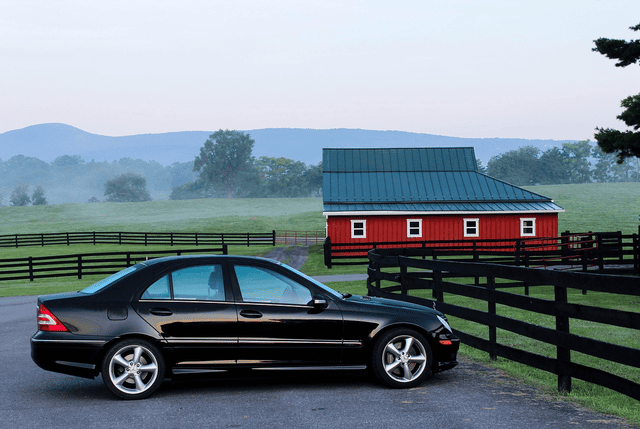
A Guide to Choosing the Perfect Used Car for Seniors
Understanding Specific NeedsThe first stage is an extensive evaluation to determine the driver's individual requirements and body considerations. Crucial questions for the customer to answer: What will you use the car for—primarily errands around town, or longer trips? Are easy in/out important to them for mobility reasons? Think in terms of larger door openings, seats at a convenient height (but not too low) and easier-to-use controls. Visibility is also key; seek out cars with good all-around sight lines and large, clear mirrors. A midsize sedan, a small SUV or crossover, or a minivan will usually provide the right mix of accessibility, visibility and ease-of-management for many seniors.Setting a Realistic BudgetWhen budget setting, look past the sticker price. Take into account the cost of ownership, including insurance rates, fuel economy and any repair or maintenance expenses. In general, cars with reputations for reliability might have a higher up-front price but produce lower long-term costs. Budget for a pre-purchase inspection by a trusted mechanic and for any minor, immediate adjustments or repairs (new tires, updated prescription lens side mirrors).Focusing on Simplicity and ComfortComfort is everything when it comes to an "adrenaline-inducing ride. Listen closely in the initial sit-test: Do the seats feel supportive and easily adjusted? If you sit in the driver's seat, are all the important controls easy to use, reach and operate? Prefer physical knobs and buttons as opposed to intricate touch-screen menus for climate and audio control. Contemporary safety technology such as a backup camera, blind-spot monitoring and automatic emergency braking are meaningful support systems that can foster confidence and security.Choice of Shopping: Private Sales, Dealers and Certified Programs1.Private Sales: Every so often, you can get an absolute steal of a deal through a private sale but it comes with additional risk. In order to prevent unforeseen problems, an outside mechanic should inspect any car sold by a private party prior to purchase. Negotiation is more common in private sales, but caution is recommended.2.Dealers: New car dealerships typically offer a good selection of used cars. Dealers, particularly when it comes to their fleet of pre-owned vehicles tend to set the bar pretty high. In many cases these cars have been through rigorous inspections and are a great option.3.Certified Programs: CPO vehicles have been checked and refurbished by the manufacturer for mechanical issues, or covered under manufacturer-provided warranties and high-quality financing. They tend to be less risky than standard used cars and can make a lot of sense when reliability is high on your priority list.The Essential Test DriveThe test drive is everything. Slip it in there at a time when you can hit the road in different conditions, both on city streets and highways. Inspect how well the car rides — is it smooth and steady? Check the acceleration and braking to make sure it feels responsive, but not jerky. Look for convenience to parking and the ease of getting in and out. The most critical is to make sure the driver is confident and comfortable driving., every switch should fall to hand and feel right in an instinctual way.Approach them with the aid of carefully observing these steps: evaluating what you need; budgeting sensibly; insisting on comfort; checking the history and taking an extended test drive, because then you'll know what's really going on with a used car when it's your turn as a purchaser. The proper used car will provide the peace of mind, comfort and reliability to facilitate years of independence and freedom.