


Effective Ways to Relieve Joint Pain Naturally
Joint pain is an ubiquitous condition that can afflict humans of all ages, but is more common as we age or after an injury. Whether the result of arthritis, overuse or other conditions, recurrent joint pain can interfere greatly with daily life. Here are some helpful tips that can help reduce joint pain and get you moving.

1.Low-impact and Regular Exercise
Exercise may help keep your body active and agile, increasing the flow of blood thus decreasing the pain. Swimming, walking, yoga and riding are ideal exercises. In the meantime, you need to stay away from vigorous exercises.
2.Maintain a Healthy Weight
Another important factor when it comes to managing aches and pains in your joints is keeping your weight healthy. Excess pounds put extra pressure on your knees and ankles, which can make them painful. Hence, the weight reduction can ease the joint pain. Seafood and vegetables can deliver, while processed food, added sugar and refined carbohydrates should be avoided. For some, seasonings like turmeric and ginger — both known as having anti-inflammatory properties — can save your life.
3.Heat and Cold Therapy
Heat and cold therapy are an efficient and instant way to momentary relief for the pain of rigid joints. Applying a warm compress, soaking in a warm bath, or using a heating pad are all helpful ways to relax stiff joints and increase blood circulation, which can make it easier to move. This works particularly well for chronic stiffness, such as that associated with arthritis morning pain. Cold therapy (ice packs wrapped in a towel) helps numb sharp pain and reduce swelling, particularly after physical activity or injuries. For some types of joint pain, switching between heat and cold can be helpful.
4.Proper Posture
A proper posture, coupled with reasonable ergonomic adjustments, matters a lot in easing and preventing joint strain. Sitting hunched over a computer, standing for hours at a time or lifting heavy objects can place significant strain on various joints in the back, neck, knees and wrists. Sitting in supportive chairs, positioning screens at eye level and wearing cushioned shoes can help disperse weight more evenly. And for anyone with pain in their hands or wrists, ergonomic keyboards or braces may alleviate torment during repetitive movements.
5.Natural Supplements
Certain natural supplements, such give glucosamine, chondroitin, and omega-3 fatty acids, have so much promise in speedy joint fitness for a few humans. While research findings vary, many people experience less pain and greater mobility following regular use. Be sure to talk to a health care provider before starting any new supplements, especially if you are taking other medications.
6.Hydration
Hydration, a neglected factor yet critical for joint function. Cartilage, which protects joints, is made up of a high percentage of water. This increases friction, and can cause discomfort if dehydrated. Staying hydrated throughout the day, which helps maintaining lubrication and may relieve stiffness.
7.Massage
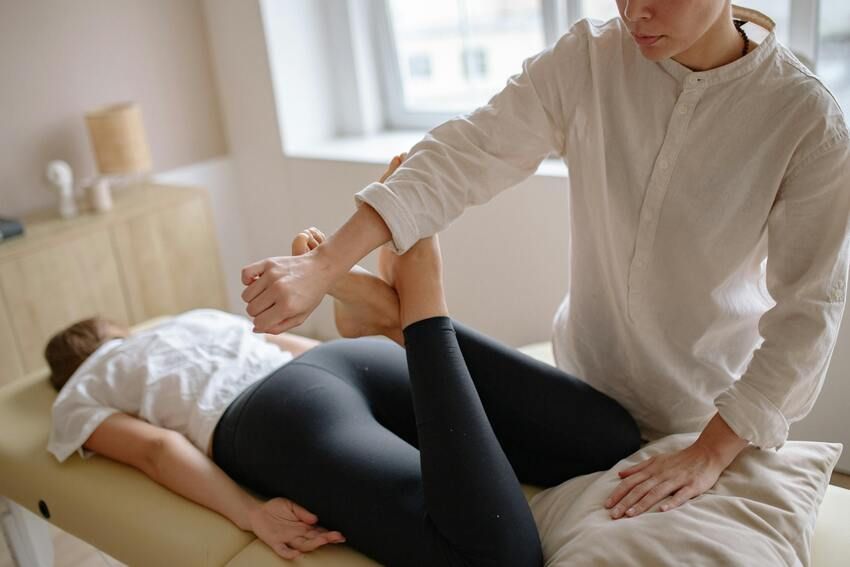
Massage therapy is useful, too. No matter you massage yourself or you get massaged by others, both work well. It can relive the intense muscle, improve the circulation of blood. You can use a ball to apply gentle pressure to tight spots.

Although these techniques can assist with mild to moderate joint discomfort, a healthcare provider should evaluate persistent or severe pain. Some conditions may require physical therapy, acupuncture or medical treatments. But many people can prevent real pain and joint function improvement when these natural strategies are applied to their daily routine, resulting in better quality of life and health. Joint pain doesn't have to rule your life, as long as you stay active, eat right, and make simple lifestyle changes. Little adjustments over time can lead to big shifts in how well you stay flexible and comfortable for as long as possible.

Find Your Freedom in These European Islands
In the modern life which is pushing in a faster pace than ever, finding a place that canget away from almost everyone and enjoy ourselves is a luxurious desire. However, the Europe offers us the opportunity. There are myriads of beautiful and wonderful islands in Europe, which can be an ideal travel resort and reach your goal of staying away from the noise of metropolises. Here are several peaceful islands in Europe worth visiting.Skye, ScotlandThe Skye Island which situates in Scotland is notable for its splendid natural views. Mysterious castles, rugged mountains and the glamorous coast lines seduce a myriad of travelers who are keen on hiking, adventure and photographing all over the world. Although this treasure island is known by more and more visitors, Skye island is still keeping its unique and precious quietness, especially in the summer night. A number of romantic and fantastic pictures and photos are made here, if you love sunrise or sunset, the beaches in Skye island will not let you down.Brač, CroatiaCroatia is well known by a group of people mainly because of Croatian Rhapsody, another terrific treasure should not be ignored as well, the Brač island. The island is a perfect wonderland help you get rid of the atmosphere of cities, the beaches gain their fame for the special shapes and fascinate multitudinous people who love aquatic sports. Although there are towns in the island, numerous peaceful and quite corners can still be found for you to enjoy sunlight, sea wave and warm hearts. Further more, the island is also a historic resort, which is also a heaven suitable for those visitors who love both cultural and natural environments.Åland Islands, FinlandAs the minority of countries that can see polar lights easily and considered to be one of the nations whose citizens have the happiest live standard, Finland become a dreamland for a multitude of people. One more marvelous thing is that an island in Finland can be so incredible. Åland Islands are little islands between Finland and Sweden, the original residents there live mainly for farming and fishing with a slow paced live. If you travel to Åland Islands, you get the chance to ride bicycles, walk alone and enjoy the peaceful beaches, which make you feel what is called the genuine, true and authentic liberal lifestyle. With affluent historic relics such as ancient castles and churches, Åland Islands are the places that always make people be reluctant to say good bye.Corfu, GreeceLocated in Greece, Corfu island is a beautiful wonderland prestigious for its clear sea and fascinating mountains. Although the island serves for a number of travelers ever summer, there are still remote beaches and villages remain to discover with primitive charm. In Corfu island, you can unlock the joy of exploring lanes, paying a visit to ancient churches and canteens that possess Greek traditions and savoring quiet atmosphere. Anyway, the incredible scenery and the friendliness of local people are the reasons that you must come here.ConclusionThese are the islands in Europe that offer us a choice to escape from the busy lives. No matter you want to feel the quietness of the nature or learn the local culture, they are all nice options for your next itinerary.

How to Skillfully Arrange Soft Furniture in a Limited Space
In modern life, especially in cities, space is often a precious resource.For many families, how to skillfully arrange soft furniture in a limited space is an important challenge. This article will discuss how to maximize the use of space through reasonable design and layout.First of all, the proper planning and layout of the room is crucial. Before placing soft furniture, it is necessary to clarify the function and needs of the room. For example, if the room is mainly used for rest and relaxation, it may need some comfortable sofas, chairs and beds; If the room is mainly used for work and study, it may need some practical desks, chairs and bookshelves.2.Choose the right sizeIn a limited space, choosing the right furniture size is key. Oversized furniture can take up too much space and make people feel depressed; And too small furniture will appear incongruous, affecting the overall beauty. Therefore, it is necessary to choose the right furniture size according to the size and shape of the room. At the same time, you can also choose some multi-functional, adjustable furniture, such as foldable, movable sofas and beds, as well as detachable, assemblable wardrobes and shelves.3.The use of space heightWhen placing soft furniture, you can use the height of the space to maximize the use of space. For example, the bed frame can be designed with a storage function, and the bed can be used to store clothes, books and other items; Or design the height of the sofa slightly higher than the general level, and set up lockers or drawers under the sofa to store items such as clutter or books.4. Keep the space transparentWhen placing soft furniture, it is necessary to maintain the permeability of the space and avoid the feeling of repression and cramped. Therefore, the placement and direction of the furniture need to be reasonably planned to avoid blocking the passage and Windows, and to maintain the smooth and open sense of the space. At the same time, you can also enhance the sense of space by choosing transparent or light-colored furniture.

How to Choose Sunglasses for Travel
Sunglasses are not only a fashion accessory, but also an essential item for protecting your eyes from harmful UV rays when travelingChoosing the right sunglasses for your travels involves considering various factors to ensure they provide adequate protection and suit your style. Here are some tips for choosing sunglasses for travel:UV Protection: Look for sunglasses that provide 100% UV protection. This is crucial for shielding your eyes from the sun's harmful radiation. When purchasing sunglasses, check for labels or stickers indicating UV 400 or 100% UV protection.Lens Quality: Consider the quality of the lenses. Opt for sunglasses with polarized lenses to reduce glare and improve visibility, especially during outdoor activities. Also, ensure the lenses are impact-resistant and provide a clear, distortion-free view.Frame Fit: Choose sunglasses that fit your face shape and size. The frames should snugly sit on your nose and ears without causing discomfort or slipping. Different face shapes suit different frame styles, so consider what best complements your features.Lens Color: The color of the lenses affects your contrast and color perception. Gray lenses provide minimal color distortion, while brown/amber lenses enhance contrast. Consider the activities you'll engage in while wearing the sunglasses to determine the most suitable lens color.

The Multifaceted Benefits of Various Types of Exercise for Your Body
Normal exercise is a fundamental part of a sound way of life. In this article, we will investigate the special benefits of a few sorts of exercises, including oxygen consuming activity, strength training, flexibility exercise, and mind-body practice.Aerobic Exercise1. Worked on Cardiovascular Wellbeing: Normal high-impact practice fortifies the heart and works on cardiovascular perseverance. It lessens the gamble of coronary illness, brings down pulse, and upgrades the productivity of the circulatory framework.2. Expanded Endurance and Perseverance: Taking part in exercises like running, swimming, cycling, or lively strolling further develops endurance and perseverance. Ordinary vigorous activity permits the body to convey oxygen and supplements effectively to the muscles, postponing weariness during proactive tasks.3. Weight The board: High-impact practices are powerful in consuming calories and advancing weight reduction. They assist with making a calorie shortage, adding to a sound body weight and lessening the gamble of heftiness related conditions.4. Temperament Improvement: Oxygen consuming activities discharge endorphins, which are normal mind-set promoters. Standard cooperation in high-impact exercises can decrease side effects of uneasiness and discouragement, work on mental prosperity, and advance better rest designs.Strength Training1. Expanded Muscle Strength: Strength preparing works out, for example, weightlifting or utilizing opposition groups, advance muscle development and improve generally strength. Solid muscles support joint security, further develop act, and decrease the gamble of wounds.2. Bone Well being: Strength preparing assists increment with boning thickness, lessening the gamble of osteoporosis and cracks. It animates the creation of new bone tissue, making bones more grounded and stronger.3. Metabolic Lift: Developing bulk through fortitude preparation builds the body's metabolic rate. Indeed, even very still, muscles consume a larger number of calories than fat, which can support weight the executives and weight reduction objectives.4. Worked on Useful Wellness: Strength preparing improves the capacity to perform day to day exercises easily. It further develops equilibrium, coordination, and useful developments, making errands like lifting weighty articles or climbing steps more sensible.
Embracing Flexibility: The Health Benefits and Pathways to Increased Flexibility
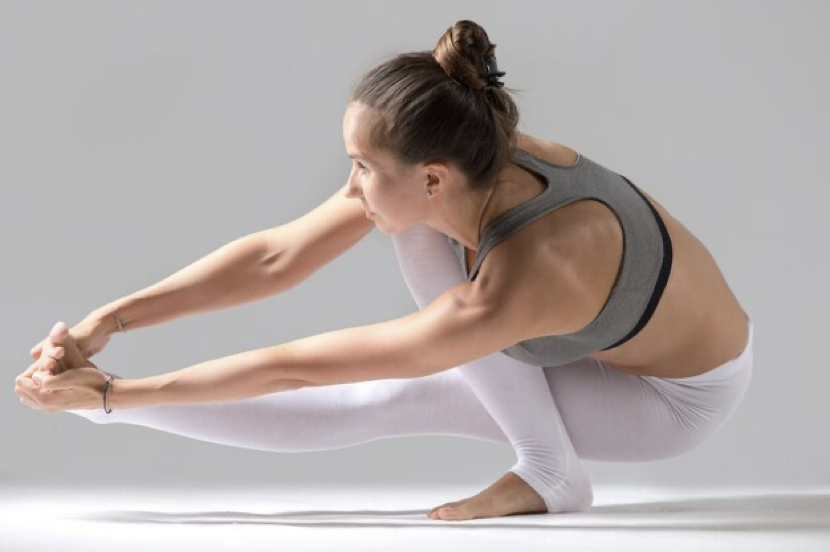
Flexibility is a fundamental component of physical fitness that often takes a back seat to cardiovascular endurance and strength training. However, the importance of flexibility should not be underestimated. Flexibility refers to the range of motion in a joint or group of joints and the ability of muscles and tendons to stretch effectively. Embracing flexibility not only enhances physical performance but also offers a myriad of health benefits that contribute to overall well-being. In this article, we delve into the significance of flexibility, its health advantages, and practical ways to improve and maintain flexibility in daily life.The Health Benefits of Flexibility1. Injury PreventionOne of the primary benefits of flexibility is its role in injury prevention. When muscles and tendons are flexible, they are better equipped to handle stress and strain during physical activities. Improved flexibility reduces the risk of muscle strains, ligament sprains, and other common injuries, especially during activities that require sudden or extreme movements.2. Improved PostureFlexibility plays a crucial role in maintaining proper posture. Tight muscles can pull the body out of alignment, leading to poor posture and a host of associated issues such as back pain, neck pain, and headaches. By enhancing flexibility in key muscle groups, individuals can improve their posture and reduce the likelihood of developing chronic postural problems.3. Enhanced Range of MotionIncreased flexibility translates to an expanded range of motion in joints, allowing for more fluid and efficient movement. This is particularly beneficial for athletes, dancers, and individuals engaged in physical activities that require a wide range of motion. A greater range of motion not only improves performance but also enhances overall mobility and agility.4. Stress ReliefFlexibility exercises, such as yoga and stretching, promote relaxation and stress relief. Stretching helps release tension in muscles, alleviate tightness, and promote circulation, leading to a sense of physical and mental relaxation. Incorporating flexibility exercises into a daily routine can contribute to stress reduction and improved mental well-being.5. Joint HealthMaintaining flexibility is essential for joint health and function. Flexible muscles and tendons help support the joints, reducing the risk of joint pain, stiffness, and degenerative conditions such as osteoarthritis. By preserving joint mobility through flexibility exercises, individuals can enhance joint health and longevity.How to Improve Flexibility1. Stretching ExercisesIncorporate regular stretching exercises into your fitness routine to improve flexibility. Dynamic stretches before exercise help warm up the muscles, while static stretches after exercise help lengthen and relax the muscles. Focus on stretching major muscle groups such as the hamstrings, quadriceps, calves, shoulders, and back.2. Yoga and PilatesParticipating in yoga or Pilates classes can significantly enhance flexibility, strength, and balance. These mind-body practices combine stretching exercises with strengthening movements to improve overall flexibility and body awareness. Attending regular classes led by experienced instructors can help individuals progress in their flexibility journey.3. Foam RollingFoam rolling is a self-myofascial release technique that helps release muscle tightness and improve flexibility. By using a foam roller to apply pressure to specific muscle groups, individuals can reduce muscle tension, increase blood flow, and enhance flexibility. Incorporate foam rolling into your post-workout routine to aid in muscle recovery and flexibility maintenance.4. Stay HydratedProper hydration is essential for maintaining muscle elasticity and joint lubrication, both of which are vital for flexibility. Drinking an adequate amount of water throughout the day helps keep muscles hydrated and supple, supporting flexibility and reducing the risk of muscle cramps and stiffness.5. Consistency is KeyImproving flexibility is a gradual process that requires consistency and dedication. Set aside time each day for stretching and flexibility exercises, and gradually increase the intensity and duration of your stretches as your flexibility improves. Be patient with yourself and celebrate small milestones along the way.