


Women at Work: Gains in Leadership Roles, But Catching Up to Men Could Take Decades
In recent years, there has been a noticeable shift in the corporate landscape as more women ascend to leadership roles. However, despite these gains, a new report suggests that true gender parity in leadership positions may still be decades away. This article explores the progress women have made in the workplace, the challenges they continue to face, and the implications of these findings for future generations.

The Progress Made
The past decade has seen significant strides for women in the workplace. According to data from the World Economic Forum's "Global Gender Gap Report 2023," women now hold 31.4% of senior management positions globally, up from 24% in 2015. This increase is a testament to the growing recognition of the value women bring to leadership roles, as well as the efforts of organizations to promote gender diversity. In the United States, the percentage of women in senior management roles has risen to 42%, according to a report by Catalyst. Additionally, women now make up nearly 30% of board members at Fortune 500 companies, a significant improvement from the 16% recorded in 2010. These numbers indicate that companies are increasingly prioritizing gender diversity in their leadership teams.

The Challenges Remaining
Despite these encouraging trends, the road to gender parity in leadership roles remains long and fraught with challenges. One of the most significant obstacles is the persistent gender pay gap. According to the Institute for Women's Policy Research, women in the United States earn 82 cents for every dollar earned by men, a disparity that widens for women of color. This pay gap not only affects women's financial security but also their ability to advance in their careers.
Another challenge is the "glass ceiling" phenomenon, where women hit an invisible barrier that prevents them from reaching the highest levels of leadership. This is often due to systemic biases and stereotypes that favor men in leadership roles. For example, women are frequently perceived as less competent or less committed to their careers than men, which can hinder their advancement.
Moreover, the COVID-19 pandemic has disproportionately affected women in the workforce. Many women, particularly those in leadership roles, have had to juggle increased caregiving responsibilities while continuing to work, leading to burnout and career setbacks. This "she-cession" has exacerbated existing inequalities and set back progress in gender parity.

The Timeframe for Catching Up
The new report, which combines data from various sources, estimates that it could take up to 132 years to achieve gender parity in leadership roles. This staggering figure highlights the magnitude of the challenges women face and underscores the need for sustained efforts to address these issues.
The report identifies several key factors that contribute to this slow progress. First, the pipeline of women entering leadership roles is still not sufficient to match the number of men. While more women are entering the workforce, they are not always progressing to the highest levels of leadership. Second, the retention of women in leadership roles is a significant issue. Many women leave their jobs due to lack of support, work-life balance challenges, and the inability to advance.

Implications for the Future
The findings of this report have profound implications for the future of work and gender equality. If current trends continue, it could take generations for women to achieve true parity in leadership roles. This not only affects women but also has broader economic and social consequences.
Gender diversity in leadership has been shown to improve organizational performance, innovation, and decision-making. Companies that fail to promote gender diversity may miss out on these benefits and risk falling behind their more inclusive competitors. Additionally, the lack of gender parity in leadership perpetuates systemic inequalities that affect all aspects of society, from education to healthcare to politics.

Moving Forward
To accelerate progress towards gender parity in leadership, several actions are necessary. First, companies must prioritize gender diversity in their hiring and promotion practices. This includes setting clear targets for the representation of women in leadership roles and holding leaders accountable for achieving these targets.
Second, organizations need to create supportive environments that enable women to thrive in leadership roles. This includes providing flexible work arrangements, mentorship programs, and leadership development opportunities. Companies should also address the root causes of gender bias and discrimination through training and awareness initiatives.

Overall, while the progress women have made in leadership roles is commendable, the journey towards true gender parity is far from over. The new report's estimate underscores the need for continued efforts to address the systemic barriers that women face. By taking proactive steps to promote gender diversity and equality, we can create a more equitable future for all.

Container Homes: A Modern Housing Revolution
There are smart homes and then there are shipping containers that have been converted into homes, and this installation brings both of these concepts into one sexy green package. But as with any housing option, they present their own host of issues and challenges.Advantages1.Eco-friendlinessThese out-of-the-box abodes use retired shipping containers, sparing the need for conventional building materials such as bricks and wood which would otherwise be used to build homes, and thus having a positive effect on the environment. And because containers are modular, you can create some very fun and space-saving designs, all made to your specifications.2.Cost-effectivenessContainer homes tend to cost you less financially than traditional houses, and that's very much due to the cost of materials. The steel construction of shipping containers is strong and able to hold up to harsh weather and these structures require less maintenance over the years. What’s more, construction is often speedier due to the fact that the basic framework is there already, containers just need modifying and stacking on top of each other.3.Mobility and FlexibilityThese homes will appeal to anyone looking for a minimalist or nomadic lifestyle, but will also be suitable to become remodeled to be portable so the owner can move, but not have to leave their dwelling. This is especially attractive to Digital Nomads, Adventurers, and people needing temporary housing.Things to Consider Before Building a Container Home1.Local Codes and PermitsContainer homes are not code in every place. In some jurisdictions limitations on building or lot size, zoned uses, and changes to structure or insulation are also permitted. Before breaking ground, it’s also important to check with local authorities for any necessary permits.2.Insulation and Temperature RegulationSteel is also a good conductor, so in the summer your containers could easily overheat and in the winter they can feel like freezers. For comfort and energy efficiency, it is crucial that your garage is properly insulated. There are also options to use spray foam, panel insulation, or even eco-friendly materials like sheep’s wool.3.Structural ModificationsIt is necessary to cut the doors and windows when cut into the door and window or more than three products are combined with welding and strengthening to keep the good energy saving effect and the overall firmness of the product. Better not call these professionals. the life of the home may be in danger.4.Space LimitationsNormal freight containers are quite narrow, usually only 8 feet wide. Space can be well-utilized with creative designs, although the compact layout may feel too confining for some accustomed to larger homes. Multi-container setups or vertical scaling can be used to overcome this challenge.5.Rust and CorrosionBecause containers are typically for maritime use, if exposed to moisture for extended periods of time, they can develop rust. Even the latest protective coatings must be applied to ensure protection from deterioration.6.Short Supply of Grade ContainersThere are so many used containers that are not in good conditions. Some may have been exposed to chemicals or excessive use during shipment. Container condition and potential hazardous substances inspection is paramount and should be done prior to acquisition.The FutureAs sustainable living becomes more popular, container homes continue to be popular. Advanced modular design, energy-saving retrofitting, and smart home technology will make prefabs even more attractive. Authorities and urban planners may also mimic container architecture in affordable housing such as solving the world housing shortage.ConclusionContainer homes are a great alternative to traditional living spaces and have provided homes to thousands of people looking to own their own little slice of life. But, they take some careful planning to deal with issues like insulation and structural changes and regulations. Where others find these macabre, the option to live a self-sufficient and off-the-grid mountain dream is worth considering. These homes may become a very viable option for those concerned about the environment, and those who are budget-conscious, as technology and design continue to improve.
Top 10 SUVs as Affordable and Practical Choices in 2025
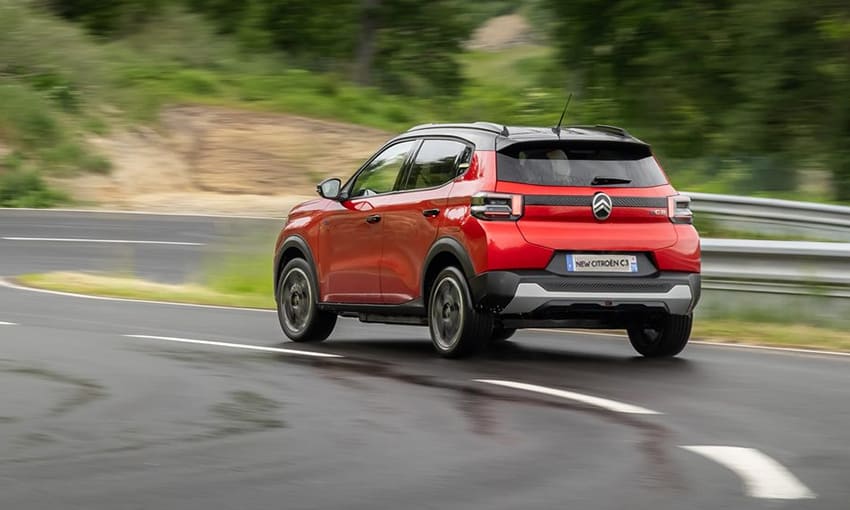
As the automotive landscape evolves, SUVs continue to be a favorite for people looking for a mix of practicality, comfort and attitude. By 2025, affordable SUV options will be flooding the market without any sacrifice to quality or features for budget-minded shoppers. Here's the top 10 cheapest SUVs you can get in 2025, from compact crossovers to family haulers.1.Volvo EX30The EX30 is set to rattle a few cages as one of 2025's most affordable electric SUVs. Marrying Scandinavian design with high-tech, the EX30 boasts a minimalist interior, impressive range, and Volvo’s famed safety tech. The small size of the car as well comes very handy when it comes to driving through narrow streets of a busy city.2.Citroen C5 AircrossIt remains a solid player in the budget SUV space. With an emphasis on comfort and space, the C5 Aircross is perfect for families. For 2025, it gets new tech and a hybrid option to make it even more enticing to those budget-minded drivers who appreciate a bit of flair.3.Dacia JoggerDacia is known for simple, inexpensive vehicles, and the Jogger is no different. As one of the cheapest seven-seater SUVs available, this practical option offers great value for larger families. When you want economical value instead of flamboyant extravagance, its simple plan and agile engines make it one of the go too for a good value choice.4.Citroen e-C3Citroen has rolled out an all-electric SUV on a budget that comes in the form of the e-C3. C3 has been developed in line with the modern approach towards urban mobility, here it comes with a compact form factor, quite a good range but a lot of comfort in the interior. Its low running costs and organic nature make it a favourite for urbanites switching to electric on a budget.5.Skoda KaroqThe Skoda Karoq has been a perennial favorite in the compact SUV class and the 2025 model is no exception. With a roomy interior, useful features and a variety of frugal engines, the Karoq is a solid value buy. It is ruggedly designed and performs reliably, making it an admirable option for city or countryside driving.6.SEAT TarracoYou should know the SEAT Tarraco, a large SUV that offers tons of space and practicality for a modest price. And because it seats up to seven people, it’s an ideal family car. To help keep up in the crowded SUV market, the model 2025 comes with new infotainment systems and hybrid options.7.MG HSMG has secured its spot on the map with affordable vehicles that are packed full of features, and HS is testament to that claim. The compact boom SUV feature a stylish design, a well-equipped interior and a range of efficient engines. That said, with its excellent value in 2025, the HS remains a strong challenger for budget-conscious buyers.8.Volkswagen T-CrossVolkswagen T-Cross is a compact SUV with a list of features that belies its size Retail handling the urban driving well, its compact form making it a small drive 9 and its more premium feel furthered by a quality interior and safety features. Expect to see updated tech and hybrid options on the new release of the 2025 model.9.Toyota Yaris CrossPushed forward by surging demand for hybrid models, Toyota's Yaris Cross is a compact SUV that retains the dependability of the Yaris hatchback while meeting the utility needs of an SUV. With a hybrid powertrain, it gets good fuel economy and is sensible for green-minded consumers. Updated styling and tech for 2025 will keep it among the best in class.10.Renault CapturNow a little more than a year into its lifecycle, it has still proven an incredibly successful compact SUV that has solidified itself as a stylish yet practical choice for many buyers. Refreshed design, tech upgrades and hybrids make the 2025 model even more attractive. Its interior is customizable and its engines are efficient, making it a good choice for young drivers and small families.From compact city cars to family vehicles you need, the top 10 cheapest SUVs are as above. These models demonstrate you don’t need to shell out the big bucks to get the versatility, comfort and style that SUVs provide.

Vegetable Oil May Lower Risk of Dementia
With the severer aging problem in the whole world, dementia has been a more and more serious problem in public health. According to the statistics from World Health Organization, there are more then 50 million people who are suffering from dementia, in which this number will skyrocket twice as it’s now in the few decades. Study finds that diet plays a significant role in preventing dementia and it is reported that a daily dose of one vegetable oil may lower risk of dying from dementia.The nutrition of vegetable oilsVegetable oil is famous for its monounsaturated and polyunsaturated fatty acids, especially olive oil, flinseed oil, canola oil and so on. These healthy fat can improve the circulation of blood, lower the risk of inflammatory response and has positive impact on brain health. It is believed by the scientists that the healthy fat can protect our brains by a variety of mechanics, for example, it can help the neurons in growing and repairing themselves.Overview of the studyResearchers have found in a long run research mainly focuses on the old people that those participants with a regular intake of vegetable oil had a significantly lower incidence of dementia than those who did not consume vegetable oils or consume more animal fat. The research studied the eating habits and health conditions of certain hundreds of old people, and they drew the conclusion that the intake of vegetable oil has positive correlation with cognitive function.AntioxidantAntioxidant components in vegetable oils, such as vitamin E and polyphenolic substances, play important roles in preventing cognitive decline. The antioxidants can defend the free radicals from doing harm to cells in order to reduce the speed of aging. The polyphenolic substances in vegetable oil, especially those are already widely use in Mediterranean diet have been proved to be effective in lowering the risk of Alzheimer.Comprehensive lifestyleAlthough the study agrees that the vegetable oil can be a protection, other aspects in your life can not be ignored as well. A balanced diet, moderate exercise, enough sleep and social activities are also vital and essential for lowering dementia. Hence, we should also pay attention to the comprehensive lifestyle while putting vegetable oil into your daily diet.Moderate intakeIt is worth noting that we ought to follow the moderate intake of vegetable oil in our daily lives. Of course the vegetable oil is comparatively healthier than animal fat, but excessive intake may lead to weight increase and other unexpected health problems. It is suggested one or two spoons are adequate every day, which not only ensures our intake, but also prevents extra risks.
Used Electric Vehicles for Seniors in 2026: A Practical Guide
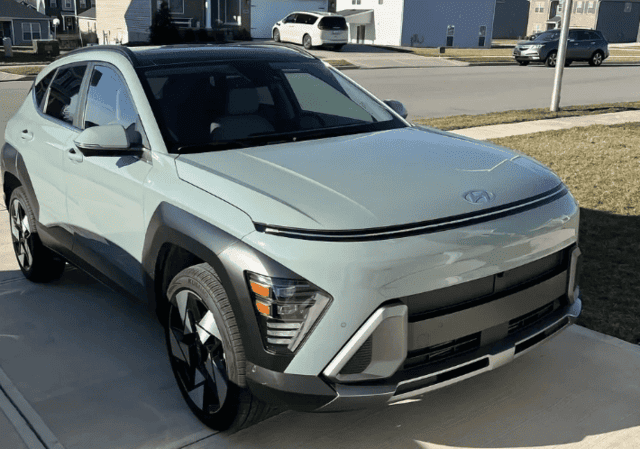
The best used electric car for seniors is not the one that steals all of the attention from a nearby saloon, hatchback or SUV and shows off its speed; it's got to be more like an appliance that quietly fades into the background noise of day-to-day life. For some, it will be a Chevrolet Bolt EUV that pampers nicely in the garage and shrugs off errands each week. For some, it could be a Kia Niro EV (which still feels very much like an SUV that's just friends with smaller SUVs) or the Nissan Leaf that seems to make driving around town in little hops pretty easy. Learn the basics: visibility, comfort in your seat and controls, an ideal variety of safety tech. Stack on top of that real-world range requirements, and total cost of ownership.Why Elderly Drivers Are Reconsidering Electric Vehicles in 2026By 2026, many senior drivers are re-examining electrical motor vehicles (EVs). Seniors have long been a reluctant demographic for EV adoption, but after changes in recent years to this story. Concerns around rising gasoline prices and lower running costs for EVs are the two main reasons why, with surveys suggesting a clear majority of drivers aged over 55 would switch to electric primarily as money savers.Moreover, range anxiety has been alleviated by the improvement of charging infrastructure as well as battery lifespans. For retirees relying on fixed incomes, Oil changes nothing? Also less need for maintenance!Lower fuel costs make the EV a logical financial option.Why Electric Cars Are a Great Choice for Elderly DriversElectric cars come equipped with certain unique benefits which suit senior drivers naturally. One, electric vehicles are quiet and smooth and vibration-free, thereby guarding against driving fatigue while conversing or listening to navigation instructions. There is no gear changing or clutch fiddling with a single-speed transmission, so this makes driving extremely simple.Regenerative braking systems permit so-called "one-pedal driving," meaning there's less need to constantly move back and forth between brake pedal and accelerator—an alleviation, especially for those with stiff knees or arthritis. EVs also tend to have a lower center of gravity, and crossover models often provide higher seating positions for easier access.Most modern EVs also include an ADAS (advance driver-assistance systems) package that includes features such as blind-spot monitoring, automatic emergency braking and lane keeping assist—which might be the safety net some drivers sorely need if their reaction times have been affected.A Quick Shortlist of Suitable Electric Cars for SeniorsChevrolet Bolt EV & EUVThe Chevy Bolt EV and its slightly bigger sibling the EUV remain available in 2026, and also represent best buys for seniors on the used market. Both models have great handling, spacious interiors for their size as well as a high roof line (especially with the EUV) which gives you plenty of headroom and visibility. The Bolt family is also known for an infotainment system that uses gauges that are easy to read, along with simple physical controls instead of overly complex touchscreens commonly found in some new luxury EVs.When new, the Bolt has a real-world range of roughly 238 to 259 miles depending on configuration and pricing in the used market proved aggressive due to previous revisions that reduced prices across multiple trims, making it an excellent value for seniors who mainly use their car for local driving errands or social visits.Hyundai Kona ElectricThe Hyundai Kona Electric is a compact crossover that finds just the right compromise for older drivers desiring an SUV's higher seat but not its greater size. Easy to access and offers a commanding view of the road ahead. The Kona Electric keeps physical knobs for climate control and volume, which lots of older buyers like compared to touchscreens-based controls.The car has good safety scores and rides comfortably, soaking up bumps well. The Kona Electric's driving dynamic will be familiar to seniors moving down from a larger gas SUV, but the running costs are far cheaper and it has enough range for most typical muck at regional trips.Kia Niro EVThe Kia Niro EV is one of the most popular picks for seniors who like to stay busy running errands, engaging in grandkid duties and taking on weekend adventures without feeling overly-large. As a result, the Model 3 has an easy-to-open hatchback style with a low load floor to make loading groceries, medical equipment or luggage simple.Visibility from the cabin is also excellent with large windows and a beltline that's low enough to help you see almost all around you when parking or judging traffic. Along with a nice ride and user-friendly controls, the Niro EV also has plenty of safety equipment. It acts out of the box, considering its small exterior dimensions in tight areas and parking as well so that passengers could sit with ease inside.Nissan LeafThe Nissan Leaf has been a mainstay for older drivers that want to go electric, and it's still one of the best options in 2026—especially if you're shopping used. It is noted for its ease of use with familiar controls, soft ride and good visibility. The Leaf's upright seating and traditional dashboard layout make it the perfect "first EV" for seniors trading in their gas-powered vehicles.Older models had relatively short ranges but you will now find newer used examples (2018+) fitted with either the 40 kWh or 62 kWh battery packs that, based on usage and other factors, can provide sufficient range (up to around 212 miles) for driving in town do appointments at places of interest.Buyers should also be careful with older models, especially in hotter climates where the leaf batteries seem reluctant to retain their initial capacity over time but for those buyers who can home charge and mainly do low mileage local runs then the Leaf represents great value coupled with excellent usability on a day-to-day basis.Tesla Model 3For the tech-savvy senior citizen, it's probably best suited as an advanced offering: The Tesla Model 3. It boasts impressive crash safety ratings, a very efficient powertrain and it will even allow your family to travel knowing that the extensive Tesla Supercharger network is there for stress-free road trips. Many of the available Autopilot and advanced driver-assist features also cut down on highway fatigue over long drives.However, there are some disadvantages of the Model 3 for these older drivers: it has a significantly lower seating position and precision from knee or hip problems can be difficult to get into if things go wrong, he points out, while virtually all controls on the vehicle are housed withing controls in a central screen.The interface is manageable for seniors who are already familiar with smartphones and tablets, but it also might not be ideal for older people who prefer physical buttons and dials because the learning curve could be steep. Best for active seniors who want modern safety technology and access to the network more than a classic dashboard layout.How to Help Older Drivers Test Drive Used Electric VehiclesSo when helping an elderly driver doing a shakedown of EV, comfortableness over acceleration and kind features is predominant. Assessment begins in the parking lot: can they slide right into or out of their vehicle, or do you see them grasping for the door frame? Make sure they can set themselves and the mirrors without fighting their way through an elaborate touchscreen menu.Focus on visibility while driving, look for big blind spots and also the readability of fonts used in steering wheel or dashboard. Try the parking assists, backup camera and blind-spot monitoring because these also can be vital help for senior drivers.Finally, simulate a "charging stop" by articulating the need for it to open and then speaking about how easy at home charging really is in grandeur fashion that reinforces you can fill me up overnight like your smart phone. The aim is to make the driver feel in control and safe, that car makes their life easier not more difficult.SummaryThere is no one perfect answer but most older drivers really appreciate the comfort, visibility, range and value of the Chevrolet Bolt EUV, Kia Niro EV or Hyundai Kona Electric best. They ride a bit higher than other sedans, easy to park and offer useful driver assists such as blind spot monitoring and automatic emergency braking on the correct trims.

How Can Tea Help You Cope With Crisis
In the fast-paced life, we often face and confront with all kinds of pressure and challenges, what’s worse, the crisis comes all of a sudden, making us have no idea to deal with. At this time, if you can drink a warm tea, you may be peaceful, powerful and calm beyond your imagination and perception. And so, how can drinking tea help us cope with the crisis on earth?Relieves mood and anxietyThe tea is rich in ingredients, such as tea polyphenols, caffeine and son on, which can excite brain nerves in order to make you sober and fresh. In the meantime, L-theanine in the tea can escalate the production of GABA in our brains which is a kind of neurotransmitter good for tranquilizing and allaying excitement. Therefore, when we feel uneasy or nervous, why not try drinking a cup of tea, it may help us relax our anxiety and reduce the tension.Improves concentration and enhances decision-making abilityThe theine in the tea can help us escalate our attention and alertness, consider problems more clearly and limpidly. Besides, catechuic acid in the tea can improve the blood circulation in the brains, promote oxygen supply to your brains in order to strengthen our memory and cognitive abilities. When facing crisis, keep high degree of concentration and clear thinking can be helpful for us to make decision more wisely.Promotes social relations and gains supportDrinking tea is not just a personal enjoyment, instead, it’s a social activities. Savoring and enjoying the tea with our intimate relatives and friends can help us establish and build deeper and further relationships and gain more social supports. When we face difficulties, we can be moved and motivated by others’ care and encouragements.Escalates physical health and enhances the ability to resist pressureThere are an abundance of vitamins, minerals, and antioxidants in tea leaves, which can enhance our immunity and improve our capability of ant-diseases. A healthy and fit body plays a fundamental and basic role in facing all kinds of challenges. Besides, tea polyphenols in tea is antioxidative, which can remove the radicals in your body and delay senescence in order to protect our cardiovascular health.