


Top Luxury Subcompact SUVs in 2025
The luxury subcompact SUV segment is one of the rising stars of the automotive industry, bringing together stylish looks, ample performance, and everyday usability to make it easily one of the best automobiles for weekend warriors and urban explorers. And as we face forward to 2025, auto manufacturers are continuing to push the innovation envelope with new nameplates and upgrades to existing vehicles incorporating the latest technology, high-end materials and impressive performance. Here’s a rundown of some top luxury subcompact SUVs to look out for in the future.
1. 2025 BMW X1
Price: $42,125
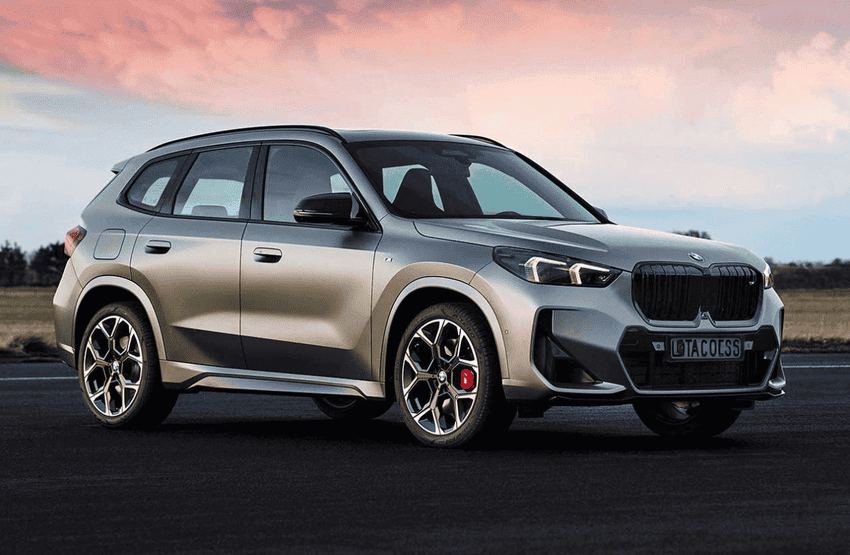
The 2025 BMW X1 continues to shine in the luxury subcompact SUV segment, offering up BMW’s signature driving dynamics in a roomy and tech-forward interior. The new version has a different look, with a more aggressive front grille and slick LED lighting. The X1 also features a turbocharged 2.0-liter four-cylinder under the hood that makes 241 horsepower and provides rousing performance. The cabin gets treated to high-end materials, a curved dual-screen display and the latest iDrive infotainment system. So there you have it, one of the best out there in 2025, due to its excellent mix of luxury and sportiness.
2. 2025 Audi Q3
Price: $38,695
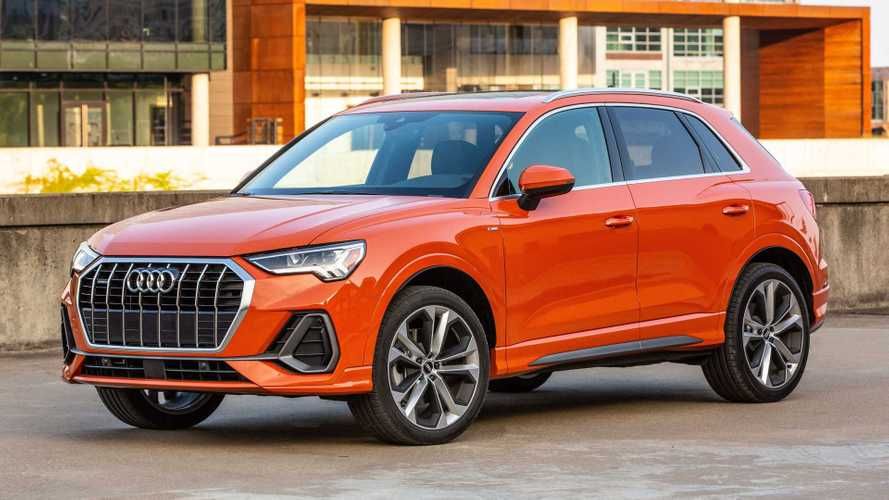
The 2025 model takes Audi’s Q3 a step further for something that’s long been popular among luxury subcompact SUV buyers. The exterior design comes more refined threads than the previous, sharper lines and a striking Singleframe grille. The Q3 uses a turbocharged 2.0-liter engine with an 8-speed automatic transmission to produce 228 horsepower with good fuel economy. Inside, the tech-lover’s dream — Audi’s Virtual Cockpit, a large touchscreen infotainment system and high-end leather upholstery. With a blend of style, technology and performance the 2025 Q3 is a serious player.
3. 2025 Volvo XC40
Price: $41,945
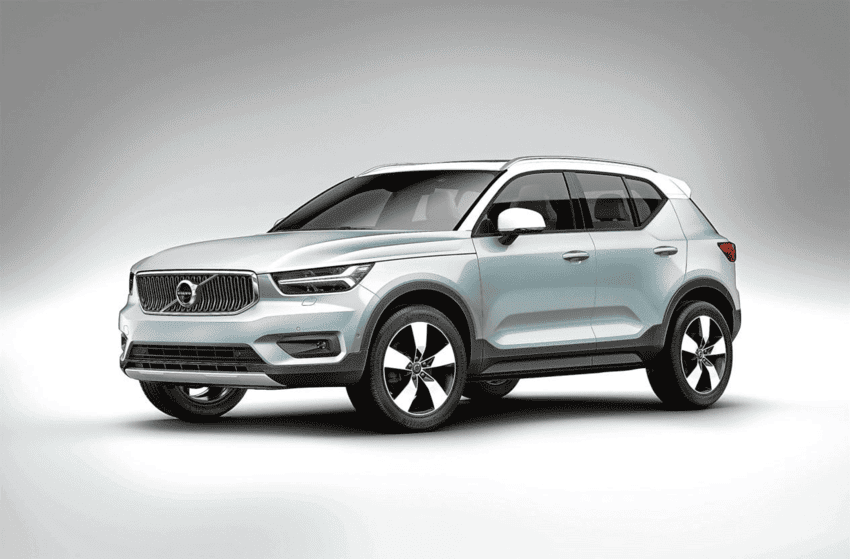
If buyers are eco-conscious, the 2025 Volvo XC40 works. This all-electric luxury subcompact SUV boasts a range of up to 260 miles on a full charge and provides instant torque and smooth acceleration. The XC40 showcases Volvo’s Scandinavian minimalist design language, with a well-equipped, spacious cabin with sustainable materials. It uses Google's Android Automotive OS to power the infotainment system, which delivers tight Google apps and services integration. The XC40 has strong eco-credentials matched with a feeling of luxury that makes it our favourite 2025 choice.
4. 2025 Mercedes-Benz GLB-Class
Price: $46,950
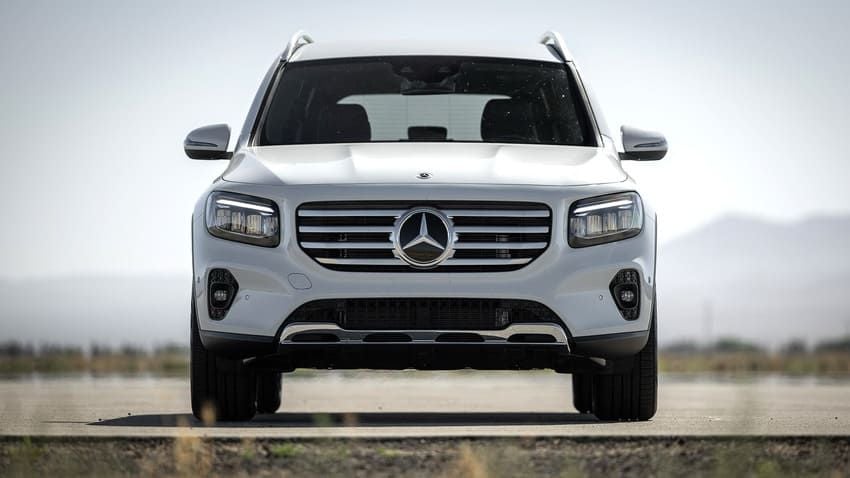
As unusual as it is impressive, the 2025 Mercedes-Benz GLB-Class remains a compact luxury SUV with high versatility. The GLB is a good pick for small families because it offers an optional third row of seats, unlike a lot of its subcompact SUV competitors. Bold, muscular exterior, and a luxury interior with high-end materials and features such as the MBUX infotainment system. A turbocharged 2.0-liter powers the GLB with 221 horsepower, while an AMG-tuned version offers more performance for those interested. Practical with a premium take on the compact SUV, the GLB is a standout for 2025.
5. 2025 Cadillac XT4
Price: $41,990
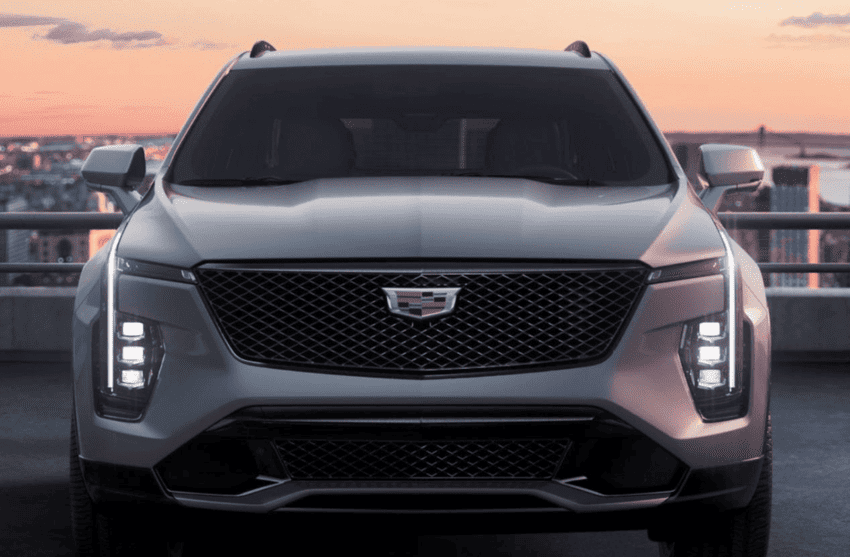
The Cadillac XT4 in its upcoming '25 model year debut promises to be a breakthrough hit with its tonsilful appearance and haute features. For a turbocharged and responsive driving experience, there's a turbocharged 2.0-liter engine that delivers 235 horsepower. Its interior is spacious and luxurious, featuring premium materials, advanced tech features, and an easy-to-use infotainment system. Cadillac's Super Cruise system for (mostly) hands-free driving on compatible highways is also a hallmark of the XT4. The 2025 XT4 is a formidable competitor in the segment with its zesty combination of luxury, technology, and performance.
The luxury compact SUV segment is more competitive than ever, and automakers have a level of choice suitable to their tastes and lifestyle. These cars serve as both the height of luxury and the forefront of innovation — making these the best buys for those best buyers here through 2024. In conclusion, as the segment continues to grow and evolve, one fact rings true, luxury subcompact SUVs are not going anywhere, and for good reason.

How Different Tea Cups Affect the Taste of Tea and Their Practical Uses in Daily Life
In this article, we will explore the influence of different tea cups on the taste of tea and discuss the practical uses of cups made from various materials in daily life.Influence of Different Tea Cups on Tea Taste:The material and shape of the tea cup can affect the aroma, temperature, and flavor of the tea. For example, porcelain or ceramic cups are preferred for delicate teas like green or white tea as they retain heat well and allow the aroma to develop. On the other hand, glass cups are suitable for enjoying the visual aspects of blooming teas, while clay cups are believed to enhance the flavor of certain types of oolong teas due to their porous nature and ability to absorb the tea's essence. Additionally, the shape and thickness of the cup's rim can also impact how the tea lands on the palate, affecting the overall taste perception.Practical Uses of Cups Made from Different Materials in Daily Life:Porcelain/Ceramic Cups: Besides being ideal for tea drinking, porcelain or ceramic cups are also versatile for serving coffee, hot chocolate, or even as stylish pen holders or small planters for succulents on desks and shelves.Glass Cups: Glass cups are not only perfect for appreciating the color and visual appeal of teas but can also be repurposed as elegant candle holders or flower vases, adding sophistication to any room.

Chair Yoga: Why It’s a Beneficial Routine for the Desk-bound
In today’s fast-paced world, where many of us spend hours hunched over desks, the search for effective ways to stay active and relieve stress has never been more crucial. Enter chair yoga—a practice that is not just for older adults but a beneficial routine for people of all ages, particularly those who find themselves desk-bound for extended periods. This article explores the numerous advantages of chair yoga and why it’s an accessible and effective solution for everyone.What Is Chair Yoga?Chair yoga is a modified form of yoga that allows individuals to perform poses while seated in a chair or using a chair for support. This makes it an excellent option for those with limited mobility, chronic pain, or anyone who may feel intimidated by traditional yoga classes. The beauty of chair yoga lies in its adaptability; poses can be tailored to suit individual needs and levels of experience.Benefits for the Desk-Bound1. Alleviating Physical DiscomfortMany desk-bound workers experience discomfort due to prolonged sitting, leading to issues such as back pain, neck strain, and poor posture. Chair yoga offers gentle stretches that can help alleviate tension in these areas. Simple movements can relieve tightness in the hips, shoulders, and lower back, leading to improved comfort and physical well-being.2. Encouraging Movement Throughout the DayIncorporating chair yoga into your workday encourages regular movement, countering the adverse effects of sitting for long periods. Even short sessions of chair yoga—just five to ten minutes—can invigorate the body and mind. These breaks can lead to increased energy levels, better concentration, and enhanced productivity, making it easier to tackle tasks with renewed focus.3. Reducing Stress and AnxietyThe practice of yoga, including chair yoga, emphasizes mindful breathing and relaxation techniques. For those who are desk-bound, stress can accumulate throughout the day, negatively impacting mental health. Chair yoga promotes relaxation and mindfulness, helping to reduce stress and anxiety levels. Simple breathing exercises and meditative practices can help clear the mind, allowing for greater emotional balance and resilience.

Ceuta: The Spanish Territory in North Africa
A small sliver of land on the north coast of Africa, Ceuta is one few remaining remnants (along with another Spanish enclave there and some islands off Morocco) from centuries when Europe's reach extended into Africa. A castle in the desert, Ceuta steeps itself not just in its geographical splendor but also a cacophony of cultural influences which all together had been woven through centuries into an autonomous city.Location of CeutaCeuta is on the Strait of Gibraltar, sharing a 6.4-mile border with Morocco to its south and east, while facing Spain across the sea to its north; it also lies near European transshipment routes for many sub-Saharan migrants that have climbed over or swum into Ceuta from May 2001 through August 2015. The enclave measures just 18.5 square kilometers, so it is one of the smallest territories in Spain. Ceuta, due to its location is rather small but that´s no less strategic which explains the many empires who wanted Ceuta.History of CeutaCeuta has a long and turbulent historical past. This city, which was founded by the Phoenicians and later became a Roman colony. Subsequently (and over the next 230 years), it was seized by vandals, who were then followed by the Byzantines before coming under control of Islamic Umayyad dynasts. It became an important center of trade and culture under the Moorish domination. The Portuguese gained official control over Ceuta in 1415, through the Reconquista, though it was taken by Spain from Portugal in 1580 and never again returned to its original owner.Ceuta became a Spanish territory after the signing of Treaty of Fez with Morocco in 1906. This makes Spain, the Spanish Government as an essential part of Western Europe convicted country Ceuteser colony. The outcome has been a specialization: Ceuta is not only Europe's doorstep, but also sparks controversy regarding international relations between Spain and Morocco.Culture of CeutaIn terms of culture, its aesthetic is an amalgamation of Spanish, Moroccan and Andalusie. Official languages are Spanish and Tarifit, which belongs to the Berber group of dialects indigenous in Rif. Similarly, the architecture of Ceuta shows this mix with an old town (the, in the typical Moroccan style) and new areas having European influences.Ceuta is an economic free port that no duties of any kind are performed, as well reflects business and trade from around the world. Given the unique position of Schengen, it is also an essential crossroads in Europe for imports and exports between both continents. A tourism hub, the city enjoys a popular seaside and offers historical locations while also serving as unique Spanish exclave in Africa.But Ceuta, which is a Spanish territory on the north coast of Africa, has faced its share of problems. Its border with Morocco has long been a source of tension, and frequently the focus of disputes over migration and smuggling. In modern times, Ceuta has presented a special challenge but it is also prove of an implicit policy in which Spain remains one finger on Africa with Tanger as nowadays the gateway to EuropeConclusionTo conclude, Ceuta is a unique example of the interplay between history, geography and culture in shaping an unusual territory. Eladio attests that hindsight is powerful: The fact that Ceuta remains a Spanish city in North Africa today upon reflecting shows the power of history, and, by default, it makes international politics so complex. Ceuta sits on a sprawling continent, where humanity and history are at large even within the rigid boundaries of territory — ever in flux as she made more so.
Furniture Trends of 2025: Design Meets Intelligence
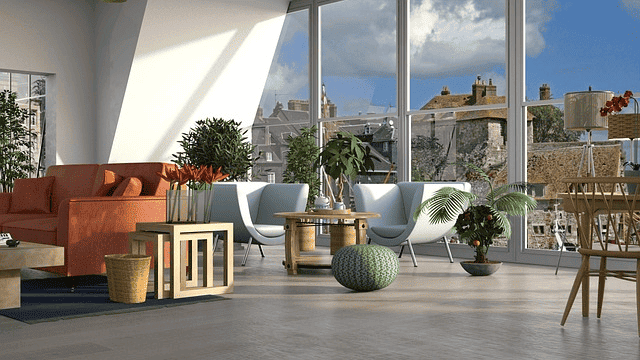
Furniture is no longer simply an object of functionality or en aesthetics, it has become an intelligent, adaptive, and sustainable extension of our living space. The directions influencing the furniture design of this year indicate a combination of pioneering technology, environmental responsibility, and a continued personalized approach. When self-adjusting ergonomic chairs and modular pieces that change as families do, 2025’s furniture is built to merge with our ever-evolving lifestyles.1.Smart, AI-poweredHere, the most striking change is towards smart, AI-powered furniture. Consider a sofa that changes its firmness to match the shape of your body, or a dining table that is also a wireless charging station and an interactive display. Several companies, including Ikea and Herman Miller, have already released AI-infused pieces that memorize human taste over time, fine-tuning both comfort and energy efficiency. Beds these days have sleep-tracking sensors, ones that regulate temperature and firmness during the night, while desks gently remind users to stand or stretch after too much time seated. The line between furniture and tech is beginning to know no bounds as furniture is not just lived in, but responsive to human life.2.SustainabilitySustainability is still at the heart of design, but in 2025 it extends beyond use of recycled materials. Now, circular design is the norm; brands emphasize furniture that can be broken down for recycling, repair or upcycling. Biodegradable options such as mycelium (mushroom-based foam) and algae-based plastics for example replacing the synthetic and giving the same durability without the guilt of damaging the environment. Even high-end designers are getting on board with “zero-waste” production, in which offcuts find new life as entirely new products. Consumers are more and more attracted to furniture with a clear lifecycle, knowing where the materials came from, how they were made and how they can be responsibly disposed of.3.Modular and MultifunctionalOther trends appeal to urban dwellers and small-space living, such as modular and multifunctional furniture. As the cost of real estate surges, these designs are compact, but flexible. There are guest beds that double as couches, coffee tables that hinge up toward a working height and storage units that mount to the wall and adjust to your needs. Companies such as Resource Furniture and Ori (a robotics and design company) are leading the way in minimizing space while maximizing style. The premise is the simple one on which we all fantasize but seldom deliver, that furniture should be as agile as life at its most inconstant, whether that is while working from home on a whim or hosting a surprise house guest for the night.4.MinimalismThe aesthetic in 2025 runs to warm minimalism and biophilic design. Neutral earthy palettes — think soft terracottas, warm beiges and deep greens — prevail, resulting in tranquil, nature-inspired interiors. Furniture silhouettes are more flowing, with rounded corners and natural textures that play on the idea of comfort and calm. Indoor-outdoor living is also on the rise, and weather-resistant materials are keeping pieces as comfortable on a sunlit patio as in a cozy living room.5.CustomizedThe customized experience up a notch. And the rise of 3D printing and on-demand manufacturing means the customer today can design his or her own furniture, picking everything from a fabric pattern to the style of legs. Brands provide digital configurators that enable people to see their creations in augmented reality before buying. This change not only limits overproduction, but allows each piece to narrate a personal story.We can’t predict the future, but in 2025, furniture will no longer be static — it’s intelligent, and a living part of our daily routine. From AI integration to sustainable innovation to adaptive design, the industry is rewriting the rule book for what it is to furnish a home. The future of furniture isn’t only about filling up space; it’s about improving the way we live, one smart, sustainable and beautifully designed object at a time.

Five Surprisingly Affordable Yet Unique Vacation Ideas
Dreaming of an unforgettable escape, but concerned about getting away without breaking the bank? You don't have to go with a luxury budget to go someplace extraordinary. Leave it to us to round up some out-of-the ordinary vacation destinations that won't break the bank. Below, five out there and surprising vacation ideas that will give you marvelous memories but won't completely shock your bank account.1.Stay in a Tiny House or Off-Grid CabinSo if you've ever dreamed of tuning out the noise of daily life, one of the best escapes might be renting a tiny house, a small cabin or an off-grid dwelling. Both Airbnb and Hipcamp have charming, budget-friendly options in secluded forests, near lakes and even the desert. A number of these rentals are outfitted with solar power, composting toilets and outdoor showers, for a rustic but refreshing experience. Picture waking up to a chorus of birdsong, hiking secluded trails and stargazing by the fire, for just a fraction of the price of a typical resort stay.2.Discover an Off-the-Grid European CitySkip the overrated expense of Paris or Rome and go somewhere like Český Krumlov in the Czech Republic, Kotor in Montenegro, or Ronda in Spain. They all boast beautiful medieval buildings, rich history and stunning scenery at a fraction of the cost of better-known tourist destinations. You can eat the local cuisine in an authentic café, roam cobblestone streets without the tourists, and you might even be able to afford a boutique hotel. They are all inexpensive to get to and from on budget public transport, so if you are into slow travel, you might want to check them out.3.Volunteer Abroad for Room and BoardBudget travelers interested in immersing themselves in the local culture might sign up for a volunteer program, such as Workaway, WWOOF (World Wide Opportunities on Organic Farms) and HelpX, which provide free room and board in return for a few hours of work a day. You might end up teaching English in Thailand, working on a vineyard in Italy or volunteering at an eco-lodge in Costa Rica. This not only slashes travel costs, but also allows for authentic connections and an experience that's different to typical tourists.4.Go On a Road Trip to National Parks or Secret BeachesDriving adventures are the cheapest way to see the great outdoors. In the United States, it's all about big, bold outdoor landscapes, and the entrance fees at national parks like Great Smoky Mountains, Big Bend and North Cascades are shockingly low. Or skip the busy sands and find serene coastal treasures such as the Samuel H. Boardman Scenic Corridor in Oregon or Florida's Cedar Key. You can pack a tent or rent an inexpensive camper van to save on lodging, spending your days hiking, swimming and immersing yourself in nature.5.Try an Affordable Digital Nomad HubIf you can work remotely, spend a few weeks in a cheap digital nomad hot sport like Da Nang (Vietnam), Medellín (Colombia), or Tbilisi (Georgia). They have co-working spaces and Wi-Fi for those who need to work and minimal cost of living, so you can experience a new culture without hemorrhaging your money. Many have lively expat communities, where it's easy to meet other travelers. You'll also have the joys of local markets, street food, and day trips that cost a fraction of the typical vacation.Whether you're sleeping under the stars in a tiny cabin, spending a night in an obscure European village or volunteering in exchange for a place to stay, these concepts prove that indelible memories for a good cause can be made without the high price tag of traditional travel. Adventure is around every corner, however, which means it's time to pack a bag, think outside the box and plan a trip that's as budget-friendly as it is unforgettable.