


A House in Delhi, Reveals Indian History
In a corner of the Indian Delhi, a normal house hides, however, the house has been witnessing Indian history for hundreds of years. It is not only a building, but also a history observer, an inheritor of culture, an epitome of a era.
Location of the house
The house locates in the core area of Delhi’s old town, surrounded by ancient walls and narrow streets. Its exterior is not so attractive, the gray stonewall, wooden doors and windows and dappled walls seem to be talking about the vicissitudes of time. However, when you step into this house, you will feel just like going back to the time of hundreds of years ago. The interior decoration reveals the traditional Indian style. The high suspending exquisite chandelier in the ceiling, the ancient artworks and sculptures on the wall, the hand knitting blanket under your feet and every corner of this house is a display of the history and story.

Uncanny history
The house can be dated back to Mughal Dynasty when all the royal members live here. From the reign of Akbar the Great to the expansion of Aurangzeb, from the glory of empire to its decline, the house records every history moment silently. You can see the royal life at that time by the wall paintings, you can learn the ritual through the sculpture patterns and you can know the art style from the decoration on the furniture. As time went by, the house went through a collection of repair and refinement, but these did not change its key appearance. In 19th century, India was colonized by British men, which resulted this house to be the residency of British officials. Although the style changed a little, the historic and cultural marks still shows its a house of India. In the meantime, you can see the combined elements between India and Great Britain. After the independence of India in 20th century, the house became a part of cultural relic and was protected and repaired. At present, it is not more a history relic, but a cultural center which attracts travelers and learners all over the globe. Because this house provide them with the history of India and the diversity and richness of different culture. Furthermore, the house is not just a witness of the history but also an inheritor of culture. It carries the hundred years’ changes of India and records every print of era.
Cultural relic
You can enjoy the colorful and diverse Indian culture here, no matter ritual, festival, daily life or art creation. The glamour of travelling lies in that you can not only see the beautiful scenery, but also find the history and culture of a city. A great deal of items can represent and show the history of a city, the construction or a house is just one part, when stepping into this house, you may see the shadow that who stepped into this house before and the atmosphere who leaved.

Conclusion
To conclude, the house, which locates in the Delhi’s old town, is not just a construction, but also a witness of history, an inheritor of culture and an epitome of era. Undoubtedly, it’s a window to unlock the Indian culture and history and also a bridge connects past and present.

Why Strength Training Is Essential for Maintaining a Healthy Lifestyle
In recent years, the fitness landscape has evolved, with strength training gaining recognition as a crucial component of overall health and well-being. While many individuals prioritize cardiovascular exercises like running and cycling, strength training offers unique benefits that can significantly impact long-term health. Here’s why incorporating strength training into your routine is essential for maintaining a healthy lifestyle.Improved Muscle Mass and MetabolismAs we age, we naturally lose muscle mass—a condition known as sarcopenia. This gradual decline can start as early as our 30s and continues throughout our lives. Strength training is one of the most effective ways to combat this loss. By engaging in resistance exercises, you stimulate muscle growth, which not only preserves existing muscle but also builds new muscle tissue. Increased muscle mass leads to a higher resting metabolic rate, meaning your body burns more calories at rest. This can be particularly beneficial for weight management, as it allows for greater flexibility in diet while still maintaining a healthy weight.Enhanced Bone DensityBone density naturally decreases with age, raising the risk of fractures and osteoporosis, particularly in women after menopause. Strength training plays a pivotal role in increasing bone density. When you lift weights, the stress placed on bones stimulates the production of bone-forming cells, enhancing bone strength and reducing the likelihood of osteoporosis. Incorporating strength training exercises, especially weight-bearing activities, can lead to healthier bones and a lower risk of injury as you age.Better Joint HealthStrength training not only strengthens muscles but also helps stabilize joints. Strong muscles support and protect joints, reducing the risk of injuries and chronic pain conditions such as arthritis. By improving joint strength and stability, regular strength training enables individuals to maintain mobility and perform daily activities with ease. Moreover, resistance training can help alleviate symptoms of existing joint pain, making it an excellent choice for those looking to manage conditions like osteoarthritis.Enhanced Functional FitnessFunctional fitness refers to the ability to perform daily activities with ease and efficiency. Strength training enhances functional fitness by improving balance, coordination, and endurance. This is particularly important as we age, as falls are a leading cause of injury among older adults. By focusing on exercises that mimic everyday movements—such as squats, lunges, and push-ups—you can improve your overall performance in daily tasks, from lifting groceries to climbing stairs. This functional strength contributes to a better quality of life and greater independence as you age.Mental Health BenefitsThe mental health benefits of strength training are often overlooked, but they are significant. Regular strength training has been linked to reduced symptoms of anxiety and depression. The endorphins released during exercise can elevate mood and promote a sense of well-being. Moreover, achieving strength training goals—whether it’s lifting a heavier weight or completing more repetitions—can boost self-esteem and confidence. This positive feedback loop encourages a more active lifestyle and fosters a sense of accomplishment.Chronic Disease ManagementStrength training plays a vital role in managing chronic conditions such as diabetes, heart disease, and obesity. Regular resistance training can improve insulin sensitivity, lower blood pressure, and enhance cardiovascular health. For individuals with diabetes, strength training can help regulate blood sugar levels, making it a valuable addition to their exercise regimen. By addressing these health concerns, strength training can reduce reliance on medications and improve overall quality of life.

Tailoring Fitness and Nutrition: Why Women Need a Different Way
When it comes to health and wellness, the adage "one size fits all" simply doesn't apply. Men and women have different physiological makeups, hormonal balances, and health needs, which means that their approaches to exercise and nutrition should be distinct. Understanding these differences is crucial for optimizing health outcomes and achieving fitness goals.The differences between men and women extend beyond the obvious physical characteristics. Women tend to have higher body fat percentages, different muscle distributions, and unique nutritional needs due to their menstrual cycles, childbearing capabilities, and hormonal fluctuations. This article delves into why women need to exercise and eat differently than men and provides guidance on how to do so effectively.Energy Requirements and Macronutrient BalanceWomen generally have lower energy requirements than men due to differences in size and muscle mass. However, the quality of calories consumed is just as important, if not more so. Women should focus on a balanced diet that includes:Protein: Essential for muscle repair and maintenance, but also crucial for hormone production and bone health.Fiber: Supports digestion, heart health, and blood sugar control.Healthy Fats: Necessary for hormone production and can help regulate appetite.Hormonal ConsiderationsWomen's hormonal cycles can significantly impact their energy levels, mood, and body composition. Consuming a diet rich in complex carbohydrates, lean proteins, and healthy fats can help stabilize blood sugar levels and minimize mood swings associated with hormonal fluctuations.Bone HealthWomen are at a higher risk of developing osteoporosis due to lower bone density. Weight-bearing exercises such as walking, jogging, and resistance training can help strengthen bones. Additionally, a diet rich in calcium and vitamin D is essential for maintaining bone health.Cardiovascular HealthWhile both men and women can benefit from cardiovascular exercise, women may need to focus more on low-impact activities to protect against joint injuries. Swimming, cycling, and elliptical training are excellent options that provide heart-healthy benefits without excessive stress on the joints.Strength TrainingStrength training is essential for women to combat age-related muscle loss and improve overall metabolism. However, women may benefit from a higher focus on full-body, compound exercises that target multiple muscle groups at once, such as squats, lunges, and deadlifts.Flexibility and BalanceAs women age, maintaining flexibility and balance becomes increasingly important to prevent injuries and improve overall quality of life. Incorporating yoga, Pilates, or regular stretching into a fitness routine can significantly improve flexibility and core strength.Nutritional TimingWomen may need to pay closer attention to nutritional timing, especially if they are engaging in intense workouts or sports. Replenishing glycogen stores post-workout and consuming protein to aid muscle recovery is crucial.Prenatal and Postnatal CareFor women who are pregnant or nursing, nutritional needs change dramatically. It's vital to consume adequate calories, protein, and essential nutrients like folic acid, iron, and calcium to support both maternal and fetal health.
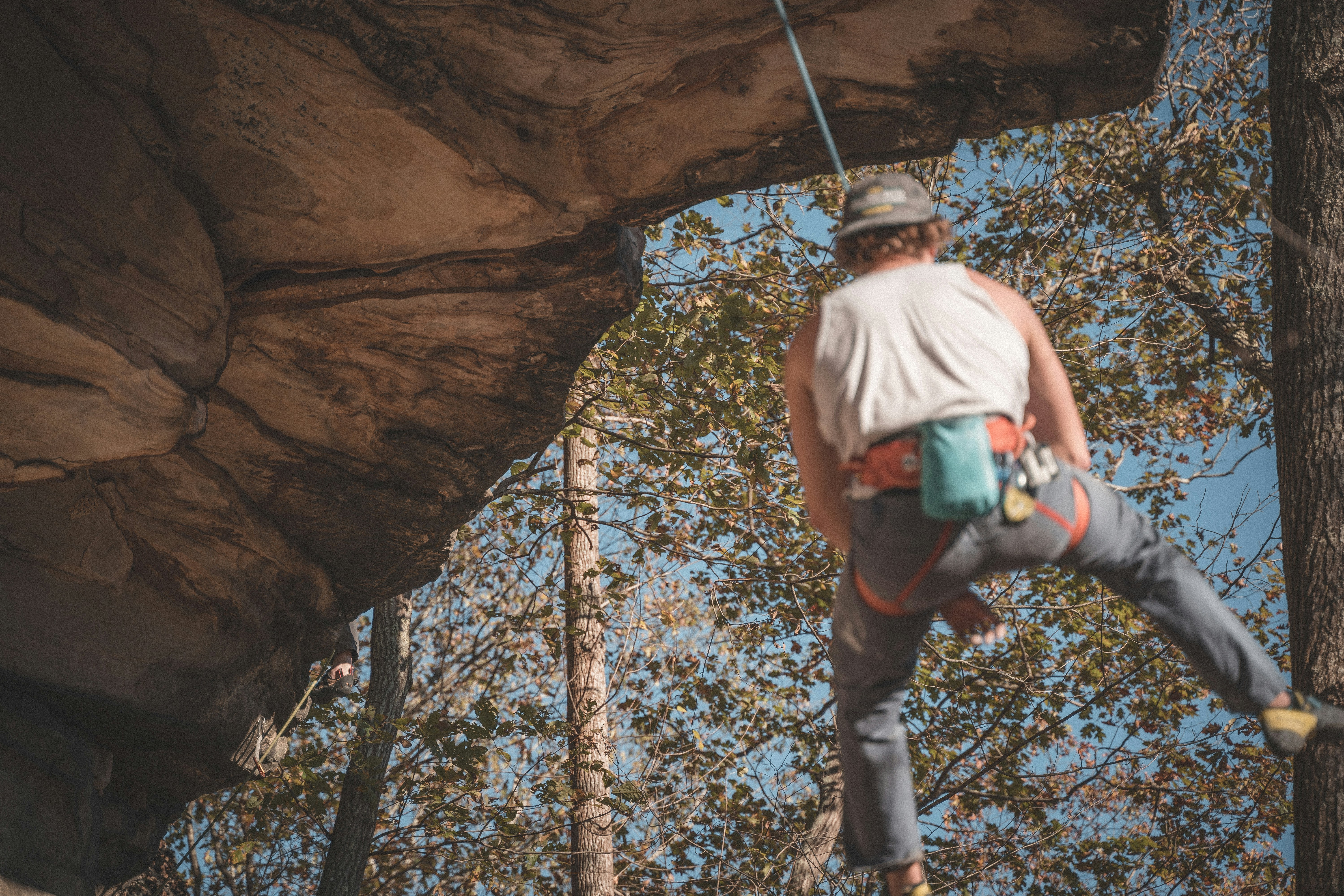
A Step in the Right Direction: Choosing Comfortable Outdoor Sports Shoes
Finding the perfect pair of outdoor sports shoes is essential for any fitness enthusiast or outdoor enthusiast.Whether you're hitting the trails, going for a run, or simply enjoying a leisurely walk in the park, the right pair of shoes can make all the difference in your comfort and performance. In this guide, we will explore the key factors to consider when selecting outdoor sports shoes, providing valuable insights to help our readers make the best choice for their active lifestyle.Support and Cushioning: The Foundation of ComfortWhen selecting outdoor sports shoes, prioritizing support and cushioning is crucial. Look for shoes with ample arch support, a well-cushioned midsole, and a comfortable insole to provide stability and reduce impact on your feet and joints. Whether it's a trail running shoe or a hiking boot, ensuring adequate support and cushioning will help prevent fatigue and discomfort during extended periods of activity.Breathability and Moisture Management: Keeping Cool and DryOutdoor activities often lead to increased perspiration, and wearing shoes with proper breathability and moisture-wicking properties can make a significant difference in comfort. Opt for shoes constructed with breathable mesh or moisture-wicking materials to promote airflow and keep your feet cool and dry, reducing the risk of blisters and discomfort.Traction and Grip: Staying Sure-FootedFor outdoor sports, traction and grip are non-negotiable. Whether you're navigating rugged trails or wet surfaces, choosing shoes with a reliable outsole featuring deep treads or lugs will provide the traction needed to stay sure-footed. Additionally, shoes with a durable and slip-resistant outsole can enhance stability and confidence during various outdoor activities.

Best Indian Trails For Hiking Enthusiasts
Home to some of the most amazing and spectacular trails for hiking, India is a country which provides an array of trekking that suits beginners as well as amateurs. The topography of the country, ranging from the snow capped Himalayas to forests filled Western Ghats in west India offers a plethora of challenges that is both monstrous and rewarding for any keen hiker. For Hiking, here are some of the best hiking trails in India.Kedarkantha Trek (Uttarakhand)Great for newcomers, intermediate trekkers as well the trail passes through cedar, and oak forests with some pine trees on top making a modest gradient that is easy on the knees. The purpose of this trek is to climb till the peak of Kedarkantha, a high elevation which stands at 12,500 feet from where you get an all rounded view, panoramic sightseeing point for the entire Himalayan range. This trek is best done in winter and early spring as the timing offers clean sky with views of snow capped mountains.Valley of Flowers Trek, UttarakhandThis trek is every plant men´s dream especially post monsoon when the valley comes alive with a riot of colors and variety alpine flowers. Easy walking, you walk over the glades, herded amplitudes and remoteness of waterfalls with Western Himalayas in dietary background; The trek is short and can be done in a day or two which makes it an ideal option for people who want to take pleasure of the Himalayas without adventuring much.Sandakphu Trek, West BengalIf you are someone who wants a longer adventure, we recommend the Sandakphu Trek. This is the highest trek in West Bengal and panoramic view of four out five top most peaks, including Mount Everest ensures your success here. Through rhododendron forests, alpine meadows and even small villages where you can still experience the local culture. The trek is advanced due to its challenging distance and altitude, however, the enchanting view from being at the highest point in all over West Bengal with the supreme colossus of mountains beneath separation will compensate for every arduous steps.Hampta Pass Trek, Himachal PradeshThis delightful moderate trek is a hiker's enduring and appealing trekking post for its attractive terrains with ample diversity of flora & fauna. This trail goes from the verdant Kullu Valley to dry, desolate Lahaul crossing Hampta Pass (14000ft). This trek offers striking vistas of the Pir Panjal and Dhauladhar mountain ranges, and is well suited for summer months when weather gets pleasant enough to enjoy them with vibrant wildflowers in full bloom.ConclusionIn short, spanning from the Himalayan slopes to Valley of flowers in bloom, there is a list much longer that will surprise you with some territories: Every trek is exceptional and defines in its own terms be it a view from Kedarkantha, Valley of Flowers blushing with flowers at every step, cultural peek into Sandakphu or the landscapes of Hampta Pass etc. These are great treks, tough and rewarding for hikers who want to push themselves through the incredible vistas of Indian mountains.

What Is an All-Inclusive Vacation? A Complete Guide
An all-inclusive holiday, in general, is a holiday in which a tour operator assembles a full package deal for you that includes a flight or a train along with accommodations, transportation with meals, and other add-on facilities in a single bundle at the time of booking. This is a concept created to give you a relaxing vacation, where you can have a holiday without having to think about to extra costs. Favored in beach resorts, on cruise ships and at family-oriented attractions, the all-inclusive vacation package appeals to those who would rather not grab their wallet every 10 minutes along the way. But what, exactly, do they comprise? Are they worth the money? And are they safe? So, let’s dig deeper into these.1.What Does an All Inclusive Get You?The specifics of what is covered differ from resort to resort (most include accommodations, unlimited food and drink — at many properties, alcohol is part of the package, and some even offer wine and champagne — and access to on-site amenities, like pools, gyms and non-motorized water sports). And at least at some higher-tier properties, luxury perks — such as dining, spa credits — or even off-site excursions are included. Family-friendly destinations may have kids’ clubs and nonstop activities; adults-only resorts may feature rowdy nightlife and romance — or relaxation and peace and quiet — all alone.But keep in mind that’s not always what you will see. At a few resorts, the use of top-shelf liquor, specialty restaurants, spa services, motorized water sports or private excursions incurs an extra charge. You’ll need to know ahead of time what’s included and what’s not, so you’re not caught off-guard.2.Are You Suitable for All-inclusive Vacations?Whether an all-inclusive vacation is worth it, depends on individual interests and travel habits. If you like to eat, drink and ski/play at the resort without worrying about costs, then these packages can definitely save a bit money. Families, especially, appreciate the predictability of all-inclusive pricing since meals and kids’ activities are frequently included.But budget-focused travelers who would rather discover local restaurants themselves or do not drink that much alcohol might not experience the same benefit. Furthermore, if cultural immersion or adventure are their priorities, they may find being stuck in a resort holding them back. Costs can be low by comparing the prices of all-inclusive at that same destination to see which is more of a value.3.Are All-Inclusive Vacations Safe?Assuming is always concerned, particularly for those who are first timers. Distinguished all-inclusive resorts take guest security into consideration. Most are in relatively safe visiting areas (tourist sites are well-patrolled so are generally not dangerous).The truth is, you can have incidents anywhere; but it’s a good idea to research the destination, read recent reviews and to pick a brand name resort which has a good reputation you can trust. Standard precautions will also help travelers including keeping valuables safe and watching your alcohol intake.4.Is Every All-Inclusive the Same?Not at all. All-inclusive vacation quality and offerings can range on par with other non-all-inclusive hotels in the same location, to over-the-top luxury. At one end of the spectrum, budget resorts may have simple buffets and few drink options, while at the other end, luxury resorts serve gourmet meals alongside top-shelf liquor and personalized service. Some are set for the family with kids, whereas others are for lovers or colleagues.And the location can make a difference: A Caribbean resort is likely to focus on beach access, and mountain or safari lodges may plan guided trips. A similar consideration should also be given to reviews of the packages helping the tourists to select the best that suits their desires.5.Is All-Inclusive Right for You?I guess it depends on what sort of traveler you are and what you value most. If you’re seeking an easy, no-questions-asked vacation where everything you want to do is included in the cost of your stay — even meals and drinks — and everything’s taken care of for you, you may need to consider an all-inclusive resort. That makes it especially attractive to honeymooners, families and groups that crave something convenient.But if you enjoy doing your own thing and experiencing different cultures, and eating locally, then you may be a regular vacation kind of a traveler. And vacationers on a tight budget who don’t take advantage of all that a resort offers might be better off with a pay-as-you-go option.Sure, an all-inclusive vacation means sleeping accommodations, meals, and travel activities are often included at a bulk discount in one easy price tag with no surprise fees, but they’re not for everyone. And so, by knowing what’s included and by looking at your own travel style and by doing some homework on any number of options that are out there, you can figure out if this is the kind of vacation experience that resonates with you.