


Ways to Help an Anxious Child with Bedtime
Bedtime can be a challenging time for many children, especially those who experience anxiety. The transition from the day's activities to a quiet, dark room can trigger fear and worry, making it difficult for them to settle down. As a parent or caregiver, understanding how to support an anxious child during bedtime is crucial for their emotional well-being and overall development. Here are some effective strategies to help ease your child's bedtime anxiety.

Create a Calming Bedtime Routine
Establishing a consistent, calming bedtime routine is one of the most effective ways to help an anxious child. Routines provide a sense of security and predictability, which can significantly reduce anxiety.
1. Set a Regular Schedule: Aim for the same bedtime each night, allowing your child to wind down at a consistent hour. This helps regulate their internal clock and makes falling asleep easier.
2. Incorporate Relaxation Activities: Include calming activities such as reading a story, listening to soft music, or practicing deep breathing exercises. These activities can help signal to your child that it’s time to relax.
3. Limit Screen Time: Reduce exposure to screens at least an hour before bed. The blue light emitted by devices can interfere with the production of melatonin, the hormone responsible for sleep. Instead, opt for low-light activities.

Address Fears and Concerns
Anxiety often stems from fears that children may not fully understand or articulate. Taking the time to talk to your child about their worries can help alleviate their anxiety.
1. Open Communication: Encourage your child to express their feelings. Create a safe space where they feel comfortable sharing their fears. Approach these conversations with empathy and without judgment.
2. Validate Their Feelings: Let your child know that it’s okay to feel scared or anxious. Validating their feelings helps them feel understood and less isolated in their experiences.
3. Problem-Solve Together: If your child expresses specific fears, work together to find solutions. For example, if they are afraid of the dark, consider using a nightlight or leaving the door slightly open.

Use Comfort Objects
Many children find comfort in having a special object nearby during bedtime. This can provide a sense of security and help ease anxiety.
1. Stuffed Animals or Blankets: Encourage your child to choose a favorite stuffed animal or blanket to sleep with. These items can serve as emotional support and help them feel more secure.
2. Create a “Worry Box”: If your child has worries that keep them awake, create a worry box where they can write down their thoughts before bed. This physical act of putting their worries away can be therapeutic.

Encourage Independence
Fostering a sense of independence can help reduce anxiety around bedtime. Empowering your child to take control of their bedtime routine can increase their confidence.
1. Involve Them in Decisions: Let your child choose their pajamas, bedtime story, or even the order of their routine. This involvement fosters a sense of ownership and control.
2. Gradual Separation: If your child struggles with separation anxiety, try gradually reducing the time you spend in the room. Start by sitting with them until they fall asleep, then slowly move further away each night.
3. Positive Reinforcement: Celebrate small successes. If your child stays in bed for a certain period or falls asleep without calling for you, offer praise or a small reward to reinforce their progress.

Be Patient and Consistent
Finally, patience and consistency are key when helping an anxious child with bedtime. Anxiety may not resolve overnight, and it’s important to remain supportive throughout the process.
1. Stay Calm and Reassuring: Your demeanor can influence how your child feels. Stay calm, reassuring, and consistent in your approach, even if they resist initially.
2. Reassess and Adjust: If certain strategies aren’t working, be open to reassessing your approach. Every child is different, and what works for one may not work for another.
3. Seek Professional Help if Needed: If your child’s anxiety is severe or persists despite your efforts, consider consulting a child psychologist or counselor. Professional support can provide additional strategies tailored to your child's needs.

To conclude, by implementing these strategies, you can help your anxious child navigate bedtime with greater ease and confidence, fostering a more restful environment for both of you.

Drinking Black Tea Lowers Risk of Death
Recently, more and more studies have found that eating and drinking habits play profound effects in humans’ health and longevity, among which the black tea, as a common drink, draws great public attention because of its potential benefits. One latest research shows drinking two or more cups of black teas a day may have a positive benefits on longevity, which offers a new angle about the habit of drinking tea for us.Health Ingredients of Black TeaThe black tea is full of multiple bioactive ingredients, especially polyphenolic compounds. These ingredients not only equip black tea with unique flavour, but also makes it antioxidative, anti-inflammatory, and cardiovascular-protected. Research shows that polyphenolic substances can reduce the amount of radicals in human bodies in order to lower the risk of chronic disease. Besides, the fluoride and theanine in the black tea is considered to be helpful and beneficial for improving heart health and immunity.Introduction of Study ResultsOne long time research focuses on thousands of adults finds that those who drink two or more black tea a day have the less chance to get cardiovascular disease and certain cancers. By analyzing the participants’ drinking habits, life styles and health conditions, the study group found those who drink black tea ever day have less rate to die, reduced about 20%. This result aroused much public debate, a lot of people start to take black tea seriously and put it in an important position on daily diet.Drinking Habit of Black TeaDrinking black tea is a living habit for may people, no matter one cup in the morning or after lunch, the flavour and warmth of black tea always make them enjoyable. However, the study did not tell us not to drink much, which is pretty important because the moderation is the key. Generally speaking, drinking one to three cups of black tea a day is both safe and beneficial, excessive drink might lead to several side effects, such as caffeine overdose, indigestion and so on.Other Factors Affect LongevityAlthough the study shows that black tea has potentially positive effect on longevity, we have to notice that the longevity also relates to a variety of factors, including heredity, circumstances, diet and life styles. Healthy modes of life are all the significant factors to expand your life, such as balanced diet, moderate exercise, nice sleep and psychological health management. Therefore, the black tea is helpful for enhancing health level, though, it can not be the only one routine for longevity.
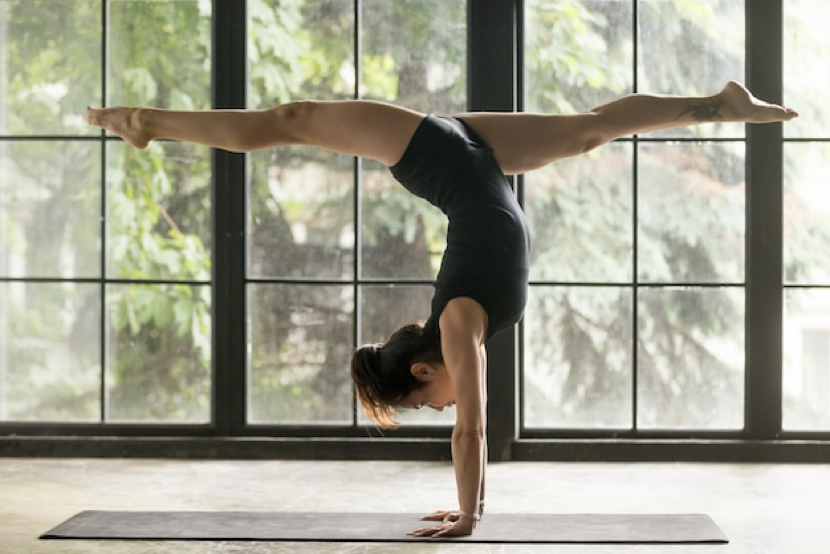
Easy Yoga Routine Helps Reduce Your Fatigue
Fatigue is a common issue that many of us face on a daily basis, whether it's due to work, stress, or simply the demands of everyday life. While getting enough sleep and maintaining a healthy diet are essential for combating fatigue, there are also other effective methods that can help, such as incorporating yoga into your daily routine. Yoga is a form of exercise that combines physical postures, breathing techniques, and meditation to promote relaxation, increase flexibility, and reduce stress. Here's an easy yoga routine that you can do at home to help reduce fatigue and rejuvenate your body and mind.Start with a Warm-UpBefore beginning your yoga routine, it's important to warm up your muscles to prevent injury. Start by standing tall with your feet hip-width apart and take a few deep breaths, focusing on filling your lungs completely with air. Then, move into a gentle sun salutation sequence, which consists of a series of poses that flow smoothly from one to the next. This sequence helps to warm up your entire body and prepare you for the more challenging poses that follow.Mountain Pose (Tadasana)Begin your yoga routine with Mountain Pose, a foundational pose that promotes good posture and helps to ground and center you. Stand tall with your feet hip-width apart, toes pointing forward, and knees slightly bent. Engage your core muscles and lift your chest, feeling tall and strong. Take a few deep breaths, focusing on your breath and allowing yourself to relax into the pose.Warrior II (Virabhadrasana II)From Mountain Pose, step your right foot forward about 3-4 feet, turning your right foot out 90 degrees and your left foot in slightly. Bend your right knee, keeping your knee aligned with your ankle, and raise your arms out to the sides, parallel to the floor and shoulder-height. Look over your right hand, keeping your gaze steady. Hold for several breaths, then repeat on the other side. Warrior II helps to strengthen your legs and open your hips and chest, promoting a sense of strength and stability.Tree Pose (Vrksasana)Stand tall with your feet hip-width apart and shift your weight onto your left foot. Slowly lift your right foot and place the sole of your right foot against the inside of your left leg, either on your calf or thigh. Raise your arms above your head, palms facing each other, and focus on keeping your balance. Hold for several breaths, then repeat on the other side. Tree Pose helps to improve balance, focus, and concentration, as well as promoting calmness and relaxation.Child's Pose (Balasana)Kneel on the floor with your knees hip-width apart and your toes touching. Sit back onto your heels, then lower your torso forward, resting your forehead on the floor or a block. Extend your arms forward, palms facing down, and relax your shoulders and neck. Hold for several breaths, allowing yourself to fully relax and release any tension in your body. Child's Pose is a deeply restorative pose that helps to calm the mind and soothe tired muscles.Corpse Pose (Savasana)Lie down on your back with your legs straight and your arms at your sides, palms facing up. Close your eyes and take several deep breaths, focusing on your breath and allowing yourself to fully relax. Stay in Corpse Pose for several minutes, allowing your body and mind to unwind and rejuvenate. Corpse Pose is the perfect way to end your yoga routine, as it promotes relaxation and helps to reduce stress and fatigue.

Zanzibar: The Scented Paradise Islands of Africa
Located in the warm, blue seas of the Indian Ocean off Africa´s east coast are beautiful Zanzibar islands. They are the Spice Islands, unique and otherworldly: a sensory-laden dream of natural beauty, culture, history.Overview of ZanzibarAlthough Zanzibar is an archipelago with many small islands, the two main ones are Unguja (which everyone calls "Zanzibar") and Pemba. On top of this, the islands are a wonderful fusion Africa Arab India and Europe— Each tile has been added to trade in addition to cultural change over many centuries. You smelled the island before you even landed, sweet salty sea mixed with verdant earth. The islands as a whole are famous for their verdure, counting every shade of green to be displayed in its flora. The wind stirs the palm trees slowly, and their fronds rustle in a calming island beat.Why Is Zanzibar ScentedThese islands were so-named "Spice Islands" as they have been the sites of spice gardens for a long time. You can almost smell the scents of various spices wafting through the spice plantations. It smells of cloves — warm and spicy, nutmeg sweet-tart, cinnamon sassy-zingy. The spice trade was big business on Zanzibar from the 19th century, and today these spices remain a key ingredient in island life.That of Zanzibar, a rich history almost as spices themselves. A.UNESCO World Heritage Site, Old Stone Town on Unguja Island is a maze-like web of narrow streets and alleyways flanked by intricately carved wooden doors. The scent of old wood and centuries-old scents of incense hang heavy in the air. The architecture of Stone Town is a reflection of the widening and narrowing influence on island's unusual history.What Can You EnjoyZanzibar beaches is famed for its beaches of endless white coral sand that stretches, Meeting azure Water. This is where the sea smells strongest, of brine and salted ocean — complemented by fresh clean sun-heated sand. It is somewhere that the woes and troubles of the world can convalesce under a blanket of lapping waves, salt in air.The islands turn golden as the sun begins to set on this part of the Indian Ocean and smoke from cooking fires drifts through villages. It's when islands come alive with laughter and chit chat; locals join visitors to the table where they tell stories.It does not stop there, the food of Zanzibar is a unique medieval sensory journey with every flavor and scent representing an era in history. From the fiery kick of a perfectly executed curry to the sweet, juicy flavour that can only come from fresh tropical fruits each mouthful is a taste sensation representing years of mixing Arab influences with local styles and its all too easy to allow oneself be swept along on an exotic culinary journey.ConclusionZanzibar in its entirety is a fragrant paradise that entices the senses and calms an anxious heart. A distinctive blend of natural wonder, cultural allure and historical mystery makes the islands an ideal destination to experience warm hospitality. Even if you are only relaxing on beach, wandering stone town or going spice plantation tours—The Scented Paradise of Zanzibar leaves an imprint long after your holiday is over.
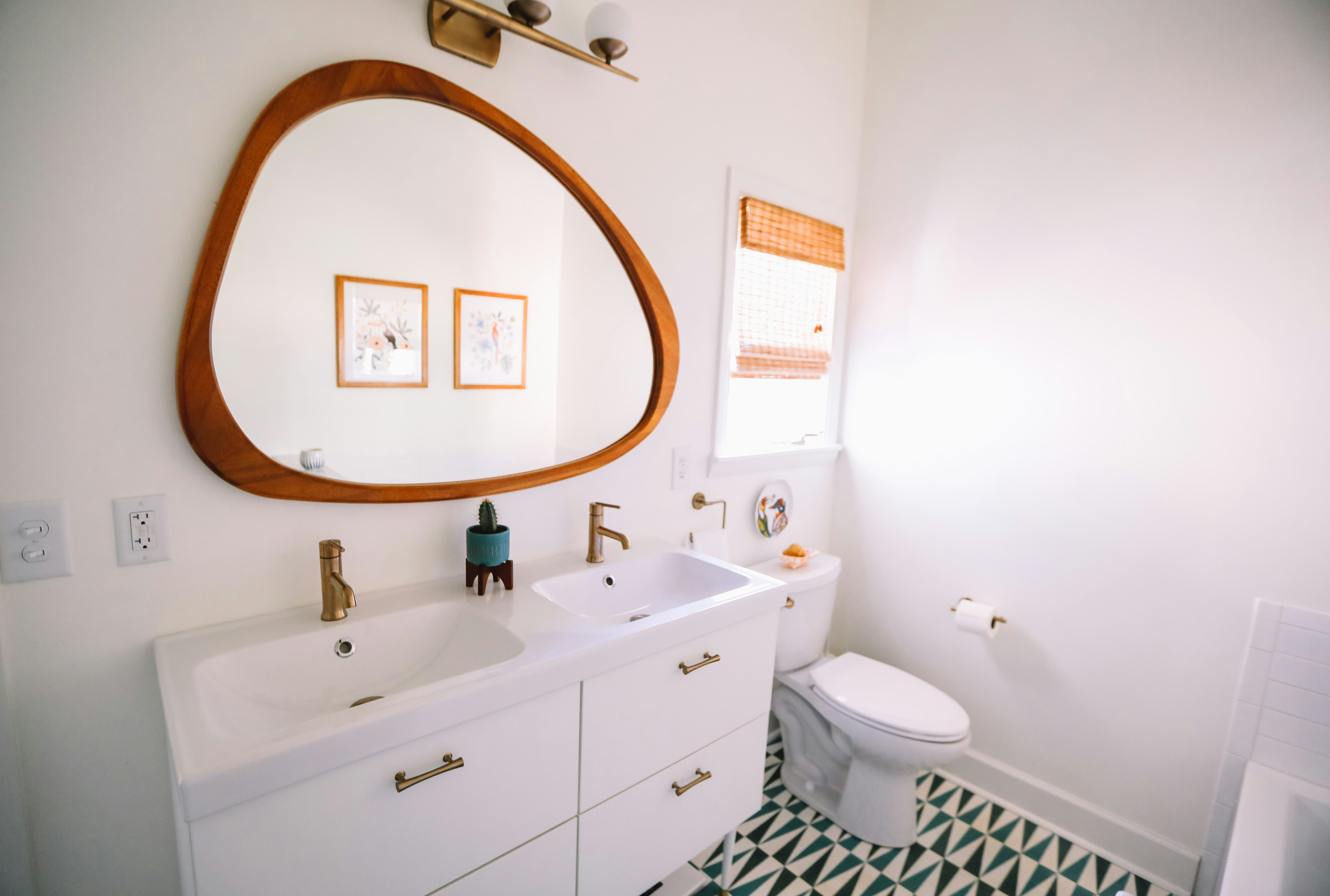
Decorating the Bathroom: Things to Consider
When it comes to decorating your home, the bathroom is often the most overlooked yet vital space. When it comes to decorating your home, the bathroom is often the most overlooked yet vital space. Therefore, when decorating the bathroom, we must pay attention to some key details to ensure that the bathroom is both beautiful and practical.1.Waterproof and non-slipAs a frequent contact with water space, waterproof and non-slip is the bathroom’s primary consideration. When selecting ground materials, priority should be given to tiles or stoneswith good waterproof performance, and ensure that the ground is laid smoothly to avoid water accumulation. In addition, the walls of the bathroom should also choose materials with good waterproof performance, such as ceramic tiles or waterproof paint, to protect the walls from moisture. In terms of anti-slip, anti-slip MATS can be placed in the shower area to reduce the risk of falling due to wet ground. At the same time, the floor design of the bathroom should also avoid excessive steps and gradients to ensure safe walking.2.Lighting and ventilationLighting and ventilation are important details in the bathroom. Proper lighting can make the bathroom brighter and more spacious, while also helping to lift the mood of the occupants. When choosing lamps, you can consider installing soft LED strips or downlights to provide even, comfortable lighting for the bathroom. In terms of ventilation, the bathroom should be equipped with exhaust fans or fresh air systems to ensure air circulation and reduce moisture and odor. In addition, regular window ventilation is also an effective way of ventilation, helping to keep the bathroom dry and fresh.3.Storage and placementThere are many items in the bathroom, including toiletries, cleaning supplies, etc. Therefore, reasonable storage and placementspace is an indispensable part of the bathroom design. When choosing a bathroom cabinet, consider installing cabinets with multiple layers of storage space to make the most of the space. At the same time, you can also install hooks and shelves on the wall to facilitate the placement of towels, bath towels and other items.

A Guide to Choosing the Perfect Used Car for Seniors
Understanding Specific NeedsThe first stage is an extensive evaluation to determine the driver's individual requirements and body considerations. Crucial questions for the customer to answer: What will you use the car for—primarily errands around town, or longer trips? Are easy in/out important to them for mobility reasons? Think in terms of larger door openings, seats at a convenient height (but not too low) and easier-to-use controls. Visibility is also key; seek out cars with good all-around sight lines and large, clear mirrors. A midsize sedan, a small SUV or crossover, or a minivan will usually provide the right mix of accessibility, visibility and ease-of-management for many seniors.Setting a Realistic BudgetWhen budget setting, look past the sticker price. Take into account the cost of ownership, including insurance rates, fuel economy and any repair or maintenance expenses. In general, cars with reputations for reliability might have a higher up-front price but produce lower long-term costs. Budget for a pre-purchase inspection by a trusted mechanic and for any minor, immediate adjustments or repairs (new tires, updated prescription lens side mirrors).Focusing on Simplicity and ComfortComfort is everything when it comes to an "adrenaline-inducing ride. Listen closely in the initial sit-test: Do the seats feel supportive and easily adjusted? If you sit in the driver's seat, are all the important controls easy to use, reach and operate? Prefer physical knobs and buttons as opposed to intricate touch-screen menus for climate and audio control. Contemporary safety technology such as a backup camera, blind-spot monitoring and automatic emergency braking are meaningful support systems that can foster confidence and security.Choice of Shopping: Private Sales, Dealers and Certified Programs1.Private Sales: Every so often, you can get an absolute steal of a deal through a private sale but it comes with additional risk. In order to prevent unforeseen problems, an outside mechanic should inspect any car sold by a private party prior to purchase. Negotiation is more common in private sales, but caution is recommended.2.Dealers: New car dealerships typically offer a good selection of used cars. Dealers, particularly when it comes to their fleet of pre-owned vehicles tend to set the bar pretty high. In many cases these cars have been through rigorous inspections and are a great option.3.Certified Programs: CPO vehicles have been checked and refurbished by the manufacturer for mechanical issues, or covered under manufacturer-provided warranties and high-quality financing. They tend to be less risky than standard used cars and can make a lot of sense when reliability is high on your priority list.The Essential Test DriveThe test drive is everything. Slip it in there at a time when you can hit the road in different conditions, both on city streets and highways. Inspect how well the car rides — is it smooth and steady? Check the acceleration and braking to make sure it feels responsive, but not jerky. Look for convenience to parking and the ease of getting in and out. The most critical is to make sure the driver is confident and comfortable driving., every switch should fall to hand and feel right in an instinctual way.Approach them with the aid of carefully observing these steps: evaluating what you need; budgeting sensibly; insisting on comfort; checking the history and taking an extended test drive, because then you'll know what's really going on with a used car when it's your turn as a purchaser. The proper used car will provide the peace of mind, comfort and reliability to facilitate years of independence and freedom.