


Does Your Coffee Cup Affect the Taste of Your Coffee
Coffee is a necessity for many people every morning, and for coffee lovers, a good cup of coffee is not only about choosing the right beans and cooking methods, but also about using the right coffee utensils, such as coffee cups.
This article will explore the potential impact of coffee cups.

First of all, the material of the coffee cup is an important consideration. Common coffee mug materials include ceramic, glass and stainless steel. Ceramic cups are the most common choice because they are able to maintain the temperature of the coffee and do not have a noticeable effect on the taste of the coffee. Ceramic is very helpful for maintaining the heat and stability of the coffee, which allows the coffee to maintain the ideal temperature in the cup, making the taste more comfortable. On the other hand, the glass has good transparency, which allows people to appreciate the color and layering of the coffee. However, the glass is less able to retain heat and the coffee may cool more quickly. Stainless steel cups have excellent thermal insulation properties and can keep the temperature of coffee for a long time, but the material of stainless steel may have a certain impact on the taste of coffee.
Secondly, the shape of the coffee cup may also have an effect on the taste of the coffee. The shape of the coffee cup can affect the smell, taste and caffeine content of the coffee. For example, a round cup can help the aroma of coffee concentrate better, making it easier to taste the aroma of coffee. For lighter coffee, such as Americano, you can choose a larger caliber cup to better experience the taste of coffee. In addition, the bottom shape of the cup may also have an impact on the taste of the coffee. A cup with a narrower bottom may make the coffee taste more intense, while a cup with a wider bottom may make the coffee taste more balanced.
Additionally, the design and decoration of the coffee cup may also have an impact on the taste of the coffee. Some coffee cups have a special design, such as a cup with a scale that can help control the ratio of coffee, which affects the taste of coffee. In addition, some coffee cups may carry the logo or brand logo of the coffee shop, which can also have a psychological impact on the taste of coffee. Research has shown that people's perceptions of the taste of coffee can sometimes be influenced by their environment and expectations, so using a coffee cup with a special design or logo may psychologically enhance the coffee taste experience.

It is important to note that coffee cups have a relatively small impact on the taste of coffee, and their role can be said to be minor compared to the quality of the beans and cooking methods. However, for some coffee lovers who are extremely sensitive to the quality of their coffee, they may pay more attention to the nuances. Therefore, when choosing a coffee cup, they may consider factors such as material, shape and design in pursuit of the best coffee experience.
To sum up, coffee cups may affect the taste of coffee to some extent. The material, shape and design of the cup can all have an impact on the taste, smell and psychological experience of the coffee. However, this effect is relatively small, and the choice of coffee cup plays a less important role in coffee taste than the quality of the beans and the cooking method. For the average coffee lover, choose a coffee cup that meets your personal preference and comfort. And for professionals who pursue extreme coffee quality, they may pay more attention to the nuances of the coffee cup in pursuit of a more perfect coffee experience.
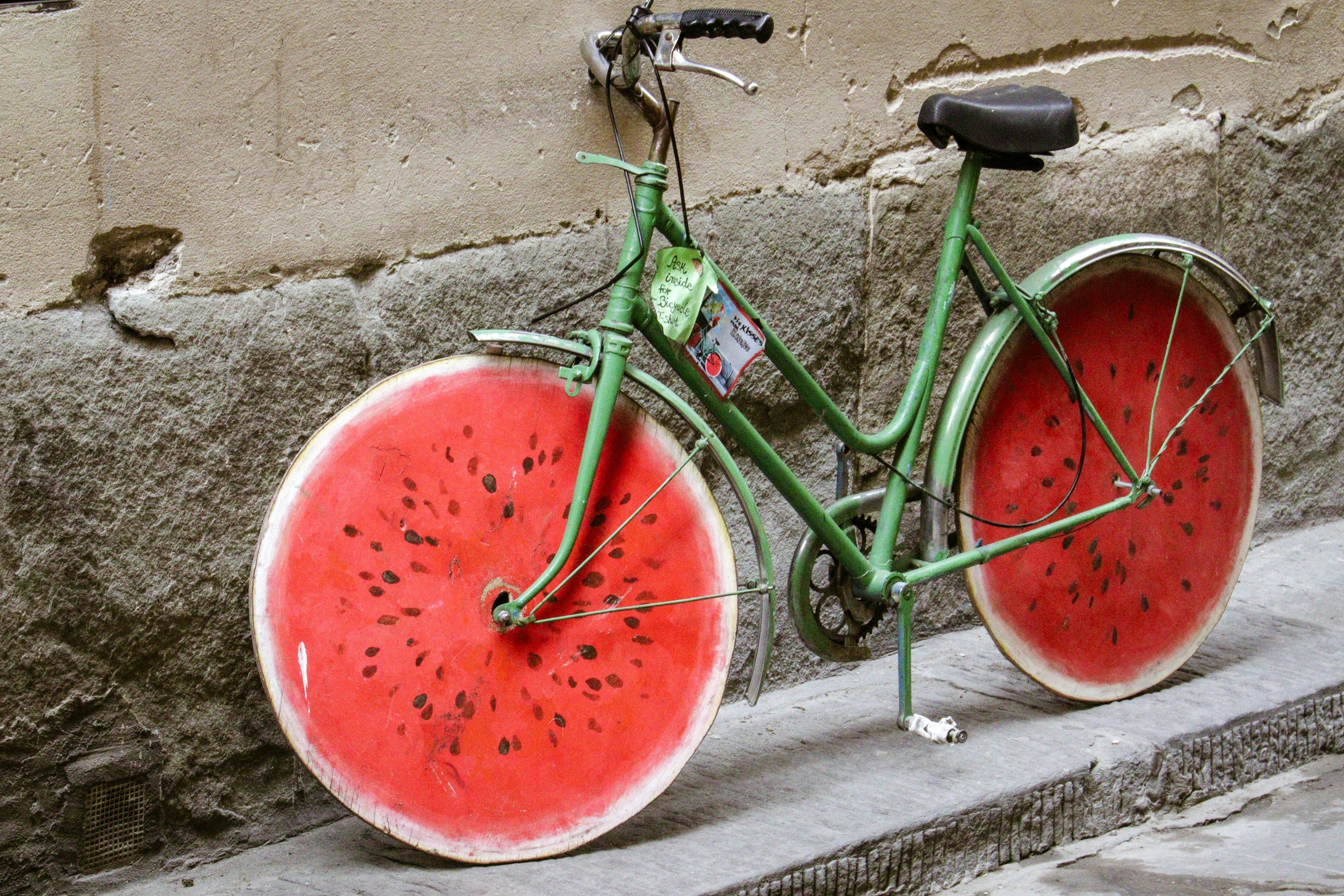
How to Maintain a Bike
As a convenient and environmentally friendly means of transport, bicycle is more and more attractive among people.However,it also needs to be properly maintained. This article will detail the steps and precautions on how to maintain your bike.1.Regular cleaningCleanliness is the foundation of bike maintenance. Regular cleanliness curtails dustand dirt from your bike and prevents them from causing damageto your bike. It is recommended to clean the bike at least once a week, especially after riding in rainy days and muddy roads. To clean, first rinse the surface of the bike with water, and then wipe it clean with a clean cloth. Be careful not to use cleaners containing chemicals, so as not to cause corrosion to the bike.2.Check the tire pressureTire pressure is an important factor that affects bicycle running. Low or high air pressure will affect the comfort and safety of riding. Therefore, tire pressure should be checked before each ride. If tire pressure is found to be insufficient, it is necessary to replenish gas in time. At the same time, it is also necessary to regularly check the wear of the tire, if the tire wear is serious, it should be replaced in time.3.Adjust the brakeBrake is an important part to ensure riding safety. Regular check and adjustment of the brakes can ensure the sensitivity and reliability of the brakes. If it is found that the brake is not working or the adjustment is improper, it should be adjusted in time. When adjusting, it is necessary to ensure that the angle of the brake handle and the handlebar is appropriate, and the gap between the brake pad and the brake disc is moderate. At the same time, pay attention to the tightness of the brake line to prevent the brake line from being too tight or too loose.

Whether Individuals Who Help Pay for a Wedding Should Have a Say in Its Planning?
Weddings are monumental occasions that often symbolize the union of two individuals in love. However, they can also become sources of tension when financial contributions come into play. One question that frequently arises is whether individuals who help pay for a wedding should have a say in its planning. This article explores the complexities of this issue, considering different perspectives and the implications of financial involvement.The Financial StakeWhen parents or family members contribute significantly to a wedding, their financial investment often leads them to believe they should have a voice in the planning process. This perspective is rooted in the traditional notion that those who contribute should have a say in how their money is spent. For instance, parents may want to ensure that the wedding reflects family values, traditions, or their own vision of a perfect day.Conversely, the couple getting married may view their wedding as a personal celebration that should reflect their tastes and desires. They may feel that financial contributions do not grant others the right to control or heavily influence their special day. This tension can create a delicate balancing act between honoring familial contributions and maintaining the couple's autonomy.The Emotional AspectFinancial contributions to a wedding are often accompanied by emotional investments. Parents may view their support as a way to foster familial bonds and contribute to their children’s happiness. This emotional connection can amplify their desire to influence wedding decisions, especially if they envision a specific style or theme.On the other hand, couples might feel that their independence is being compromised if they must cater to the wishes of those footing the bill. The pressure to please others can lead to stress and dissatisfaction, detracting from what should be a joyous occasion. Couples should thoughtfully navigate this emotional landscape, communicating openly with family members about their desires and boundaries.Finding Common GroundThe key to resolving potential conflicts over wedding planning lies in communication and compromise. Couples should initiate open dialogues with family members who are contributing financially. Discussing expectations and desires early in the planning process can help set the tone for collaboration rather than conflict.One effective strategy is to establish a budget that specifies how much each party is willing to contribute. This clarity can lead to more constructive conversations about who gets a say in what aspects of the wedding. For example, if parents are contributing a specific amount for the venue, perhaps they could have input on the location, while the couple retains control over the theme and decor.
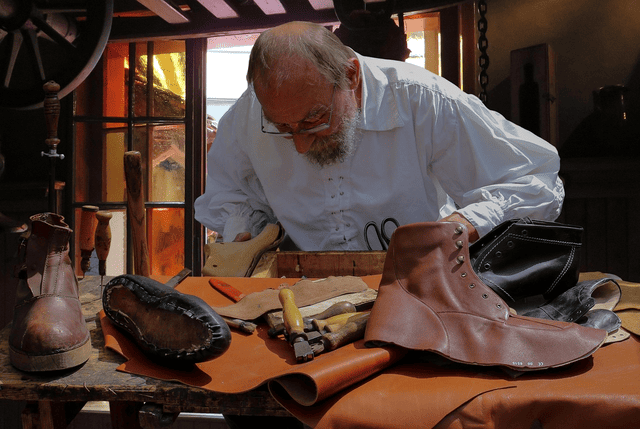
Choosing the Right Footwear: A Guide to Fall-Prevention Shoes for Seniors
Key Features of Senior-Friendly ShoesWhen buying shoes for elderly, consider non-skid rubber soles with deep tread patterns that provide the best grip on a variety of surfaces. Seek out low, wide heels (no more than an inch) that offer stabilizing support without hampering your equilibrium. Shoes must have good heel counters and proper arch supports to keep the feet in their natural position. Get the ones that adjust like Velcro or elastic laces so you can expand with foot swelling, but while still feeling secure on your feet. Lightweight construction minimizes fatigue when you wear all a day long just like padded collar prevents ankle discomfort.Shoes for Specific Health ConditionsSpecific foot health considerations should be used when selecting an appropriate athletic or walking shoe for older adults.1.Accessibility/ Balance: The elderly people often have balance difficulties; thus the shoes with wide soles and low heels can help them to improve their stability. Orthotic shoes with deep grip soles and enhanced ankle support are also a good choice for those who wish to prevent falls.2.Arthritis: For an elderly with arthritis, the more shock-absorbing and cushioning materials in the shoes, the better. Rocker-bottom shoes are designed to decrease joint pressure by encouraging a natural walking gait.3.Diabetes: Footwear that is designed to keep you safe from foot ulcers for older people with diabetes. Shoes with deeper depth, seamless insoles and soft cushioned materials may be beneficial to reduce friction on the foot and bony prominence.Footwear Types to AvoidSome shoes pose an enormous risk of falling and are not welcome additions to any senior's closet. High heel and platform shoes push the body weight forward, destabilizing the wearer.Backless slippers and loose flip-flops don't provide support to the heel, and they can slip off far too easily when on stairs. Worn-out athletic shoes with flat, polished soles for example lose all traction; at the other extreme, sneakers designed for very cushioned heels have specifically thickened sole zones that prevent feeling the ground.Footwear that doesn't fit well, whether too tight or too loose, can lead to pain, numbness or blisters that change the way a child walks.Recommended Shoes for the Elderly1.Propet Stability X: The Propet Stability X offers stability with cushioning and easy to adjust hook-and-loop closure systems. The adjustable strap makes this the perfect fit. They happen to be Medicare-approved shoes, so they are also an excellent value for seniors with certain health conditions.2.Skechers GOwalk 5: The Skechers GOwalk 5 slip-on is not only light, but comfortable, and it's an easy sneaker to put on for those seniors who have problems tying shoelaces. Thoughtful design with breathable material, cushioned foot bed and rubber outsole makes it the perfect everyday casual option.3.New Balance 928v3 walking shoes: The New Balance 928v3 is one of the most popular sneakers for those on their feet all day, or anyone who need additional arch support, cushioning and stability. With the anti-roll feature it controls the movement of rear foot for those who have trouble balancing.Essential Shoe Maintenance TipsShoe maintenance increases lifespan and protects safety properties. Check soles to monitor wear patterns monthly; uneven wearing is a sign of needing replacement. Scrub rubber soles regularly with a mild soap, as dirt is the number one killer of grip. Do keep shoes dry and don't leave them near direct heat sources, which break down materials. Treat leather shoes with conditioner every three months to avoid cracking. Arguably most importantly is to replace walking shoes every 6-12 months depending on how often you use them, no matter if they look okay.Rediscovering the joy of walking safely. The elderly can now enjoy a safe and sure way to walk indoors and outdoors. With the right footwear, and taking care of it, seniors can walk confidently and with less risk of falling.

Fluoride in Water: Preventing Cavities or Posing Health Risks?
Fluoride, a mineral found naturally in water, soil, and various foods, has been a topic of debate for decades, particularly regarding its use in public water supplies. While many studies indicate that fluoride effectively reduces dental cavities, concerns about potential health risks have also emerged.The Benefits of FluorideFluoride possesses the capability to enhance the teeth enamel, which means there is no chance for decayed teeth to grow. After taking or applying fluoride, it will melt into your teeth, cross every crack of your teeth and finally become a part of your teeth. This process can prevent the corrosion from dental plaque bacteria and sugar in the mouth. Quite a few researches show that dental caries incidence is much lower in those who drink fluorinated water.US Center of Disease Control and Prevention reported that the study that fluoride in water can prevent cavities is one of the most successful public health achievement in the 20th century. And it also mentioned in its official website that fluoride can reduce the lifelong caries incidence among no matter children or adults almost 25%. Thereby, making full use of the fluoride in water is quite useful for the people who have limited chances to access medical and dental protection. In this case, this makes fluoride an important public health advance in the prevention of tooth decay.The Health Risks of FluorideAlthough fluoride is proved to be actually conducive to your teeth, its adjunction in public water arouses residents’ worries on its potential health risks. One of the most important problem is dental fluorosis which is a allochromatic symptom caused by touching excessive fluoride in childhood. Although fluoride teeth just affect your appearance and do no harm, severe fluoride teeth will make us painful and bitter.Except for dental fluorosis, more studies show the fluoride do have some potential relations with other health problems. High concentrations of fluorine brings adverse impacts to bone health and even make the opportunities of fracture rise. Besides, there are also some worries on thyroid function, for extra fluoride interferes synthesis of the thyroid hormone which plays a crucial role in the metabolism.Balancing Benefits and RisksHowever, these undisputed benefits of fluoride for cavity prevention must still be carefully weighed against legitimate risks when debating fluoride levels in drinking water. The yardstick of around 0.7 parts per million (ppm) has been speared for us by public health authorities such as the Centres for Disease Control and the American Dental Association, who said that this is a safe and effective treatment for the teeth.The emergence of fears about the dangers of fluoride has led to communities examining their positions on the chemical's presence. A few locations in the United States right now are debating whether or not to continue adding fluoride to their water supplies, echoing wider concerns in the public. More often than not, this move is because they are increasingly seeking a more natural water supply and have worries about mass medication of the population without individual consent.
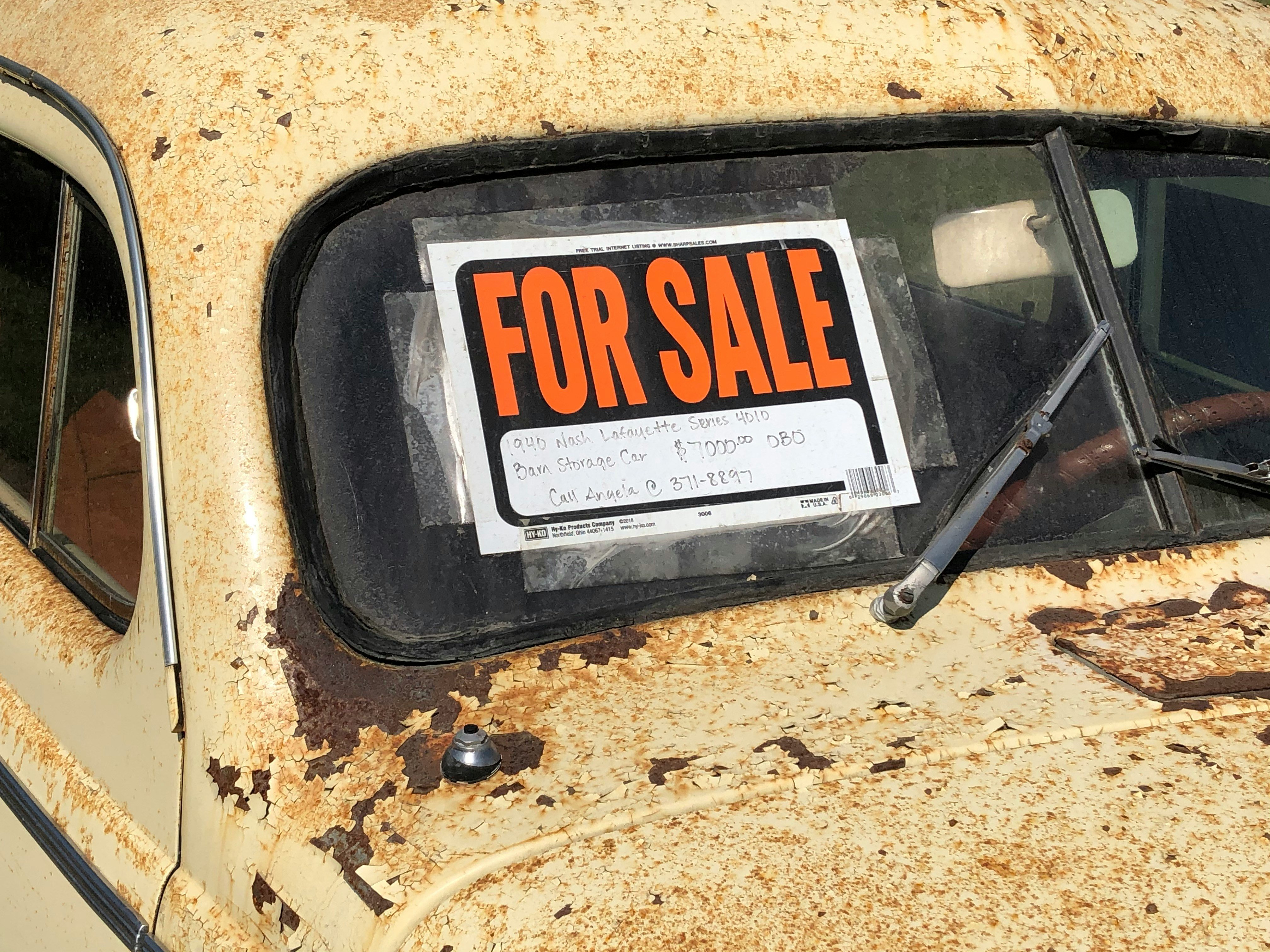
Is It Illegal to Post a "For Sale" Sign in a Car?
First, we need to understand the background to this regulation. With the increasingly strict urban traffic management and the standardization of vehicle management, some places begin to pay attention to the cleanliness and unity of vehicle appearance. In this context, placing private signs or advertisements on Windows or car bodies is considered a disturbance to public order and is therefore included in the category of violations.So, how exactly is this rule enforced? According to the relevant regulations, any unauthorized postingor painting of advertisements or signs on vehicles will be considered illegal. This means that neither individuals nor businesses can post "for sale" signs in prominent locations such as car windows and car bodies. The implementation of this regulation covers private cars, taxis, trucks and other types of vehicles.The response to this regulation varies among different groups of people. Some owners and used car dealers say they sell their vehicles quickly by posting "for sale" signs, which is a proven practice. Now this regulation has left them feeling confused about how to legally promote their vehicles. While other citizens expressed support for the regulation, they believe that the cleanliness and unity of the appearance of vehicles is an important part of the image of the city and should be maintained.