


The Rise of Assembly Robots
Precision, speed, and flexibility for manufacturing leave assembly robots to the machines to perform the high-precision, repetitive movements required for simple tasks with pinpoint accuracy and blistering speed. Today, these kind of robotic systems are the staple workhorses of industry providing huge benefits over man power and are part of.

Advantages of Assembly Robots
1.Extraordinary Precision
Robotic assemblers don't tire like human workers, nor do they make mistakes. The result is each piece is built to precise dimensions. This decreases defects and enhances product dependability which is crucial for applications like aerospace and medical device production. Also, robots can work 24/7, which is able to considerably increase productivity with lower cycle times.
2.Cost-efficiency
While robots are expensive to buy and implement, the cost can be justified in terms of labor savings, waste savings and increased throughput. Furthermore, robots improve workplace safety by performing safety sensitive operations, thus reducing the number of accidents.
Current Applications
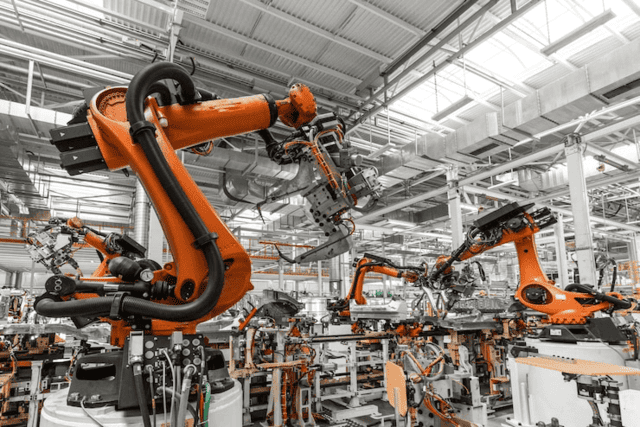
The assembly robot is a common feature in many different industries. Welding, bolting and attaching parts in the car industry, this job has to be done with perfect precision as millions on millions car are built within no time. Robotic machines are used by electronics manufacturers to position minuscule components on circuit boards with a precision of a micron, an assignment that is nearly impossible for human hands. In a food and beverage 3 industry, robotic arms are used to package and sort food and beverages safely while maintaining cleanliness and meeting stringent standards.
There is big potential for assembly robots beyond factory production, like custom-furniture assembly and even 3D-printed construction. Collaborative robots, which are engineered to work alongside humans, are becoming more popular in shops where flexibility and usability are important.
Selecting the Most Suitable Assembly Robot
First, manufacturers need to consider the necessary payload and range of motion, smaller robots work well for delicate tasks such as electronics assembly, whereas larger robots are typically used for heavy-duty tasks. Both are also important and the faster robot is good for high-product production while a slower, more accurate robot is better for detailed work.
Programming flexibility is another factor. Other robots follow pre-written commands, and some also rely on AI and machine learning to adjust to real-time variability. They should also check out possible integration with available machines and software. Finally, the budget and anticipated return-of-investment are also deciding factors.
The Future of Assembly Robots
The future for automation in assembly robotics is well on track for revolutionary trends. With the emergence of AI and IoT, the robotics will become smarter as they will be able to perform preventive maintenance and self-optimization. Improved gripper tech and tactile sensors will mean robots are dealing with delicate or asymmetrical objects better.
One of the other exciting trends is the emergence of mobile assembly robotics that can move around the factory floor without human intervention, dynamically reconfiguring their jobs based on changing production requirements. Moreover, as robotics continue to decrease in cost, small and medium sized businesses will begin to implement automation, putting advanced manufacturing technologies in the hands of more and more people.
Eventually, fully autonomous smart factories might be the standard and robots talk to each other, self-optimize production processes and are employed to the least degree possible. As sustainability becomes a key priority, energy-efficient robots running on renewable sources of energy will continue lowering the ecological impact of production.
Conclusion
Assembly robots are changing the face of modern manufacturing through the relentless pursuit of precision, throughput, and safety. They are used in various fields, from the automotive industry to computer electronics, and can do more and more since technical progress is made. Companies have to consider several important factors in order to find the robot that suits their application best. In the long term, AI-enabled adaptive robotics will open even more doors to a new industrial era both smarter and more automated. Those machines are not only going to grow production, they're going to completely recast the very definition of what work even means in the manufacturing sector.

A Comprehensive Guide to Choosing Athletic Apparel
Choosing the right athletic apparel is crucial for both comfort and performance during physical activities.With the plethora of options available in the market, it can be overwhelming to select the perfect outfit. In this comprehensive guide, we will explore the key factors to consider when choosing athletic apparel and provide valuable insights to help readers make informed decisions.Fabric Selection: Performance and ComfortThe choice of fabric plays a significant role in athletic apparel. Look for moisture-wicking and breathable materials such as polyester blends or merino wool for activities that induce sweat. For cold weather, opt for insulating fabrics like fleece or thermal compression wear. Always prioritize comfort and flexibility without compromising on performance.Fit and Functionality: Finding the Perfect BalanceThe fit of athletic apparel should provide freedom of movement while maintaining a snug and supportive feel. Consider the specific requirements of the activity – for example, loose-fitting clothing may be preferred for yoga, while compression wear is beneficial for high-intensity workouts. Additionally, check for features such as reflective elements for night runs, and pockets for storage during long hikes or runs.Layering is essential for adapting to changing weather conditions and regulating body temperature during physical activities. Start with a moisture-wicking base layer, add insulating layers for warmth, and finish with a waterproof and breathable outer shell for protection against the elements. This strategy allows for easy adjustment as the body heats up or the weather shifts.

7 Key Nutrients Everyone Needs to Ensure Daily Intake
In a world where food is abundant, surprisingly, many people still struggle to consume adequate amounts of essential nutrients. According to recent studies, billions of individuals worldwide are deficient in at least seven critical nutrients, which can lead to serious health issues. Understanding these nutrients and how to incorporate them into your diet can significantly enhance your well-being. Here’s a look at these essential nutrients and practical tips for ensuring you get enough of them.IronIron is crucial for producing hemoglobin, which carries oxygen in the blood. Deficiencies can lead to anemia, fatigue, and weakened immune function.Sources:1.Animal Sources: Red meat, poultry, and fish contain heme iron, which is easily absorbed.2.Plant Sources: Lentils, beans, tofu, spinach, and fortified cereals provide non-heme iron. Pair these with vitamin C-rich foods (like citrus fruits) to enhance absorption.Vitamin DVitamin D is essential for bone health, immune function, and mood regulation. A deficiency can result in weakened bones and increased risk of chronic diseases.Sources:1.Sunlight: Spending 10-30 minutes in the sun several times a week can help your body produce enough vitamin D.2.Dietary Sources: Fatty fish (like salmon and mackerel), fortified dairy products, and egg yolks are excellent sources. If you live in a region with limited sunlight, consider a vitamin D supplement.CalciumCalcium is vital for strong bones and teeth, muscle function, and nerve signaling. Insufficient calcium intake can lead to osteoporosis and other health issues.Sources:1.Dairy Products: Milk, yogurt, and cheese are rich in calcium.2.Plant Sources: Leafy greens (such as kale and bok choy), almonds, and fortified plant-based milks are good alternatives for those who are lactose intolerant.PotassiumPotassium helps regulate fluid balance, muscle contractions, and nerve signals. Low potassium levels can lead to high blood pressure and increased risk of stroke.Sources:1.Fruits and Vegetables: Bananas, oranges, potatoes, spinach, and avocados are excellent sources of potassium.2.Legumes: Beans and lentils also contribute to your potassium intake.MagnesiumMagnesium is involved in over 300 biochemical reactions in the body, including energy production, protein synthesis, and muscle function. A deficiency can lead to muscle cramps, fatigue, and anxiety.Sources:1.Nuts and Seeds: Almonds, cashews, and pumpkin seeds are rich in magnesium.2.Whole Grains: Brown rice, quinoa, and whole wheat products provide significant amounts of this mineral.

Vegetables and Fruits Reduce Heart Disease Risk
Diet high in vegetables and fruits is advocated and loved by a lot of people because of its adequate benefits for health. One latest research emphasizes its key and important function in lowering heart diseases and kidney problems. This article introduces and talks deeply about the powerful nutrition of plant food and how they can promote the health of our hearts and kidneys.Protective Power of Vegetables and FruitsVegetables and fruits are not only the decoration and ornaments on our tables and plates, but also play a vital role in defending the omnipresent health problems in this time. These food, which is full of vitamins, minerals, antioxidants and fibers, coordinate what elements they have together to enhance our anti-disease capability.Vegetables, Fruits and Cardiovascular HealthCardiovascular health is still now the major cause to death all over the globe, but you can prominently lower this risk by eating diets high in vegetables and fruits. Because these food is low in saturated fat and cholestenone which is widely known for blocking artery and increasing blood pressure. On the contrary, they provide ample plant nutrients which is greatly helpful for reducing awful cholestenone level, relieving inflammation and improving endothelial function, which is super essential for heart health.Functions in Kidney HealthAlso, kidney disease is a scary epidemic brings much inconvenience and bad effects to millions of people silently. At this time, we can turn to a diet high in vegetables and fruits for help because it can slow the development of kidney disease and even efficiently prevent it from happening. Vegetables and fruits have great efficiency in controlling blood sugar and pressure, which are two core factors to kidney health. What’s more, they can keep the balance of electrolytic and reduce the burden of kidneys by speeding up removing wastes in a high efficiency.How to Eat More Vegetables and Fruits ScientificallyIncreasing the amount of vegetables and fruits in your diet doesn’t mean that you need to be a vegetarian or vegan-only people. Just simply change your diet food can make a big difference. Opt a bowl of fruits instead of a bag of potato chips; choose a plate of vegetable stir-fry instead of a meal full of meat. The main purpose and goal is to make your diet more colorful, because every kind of vegetables and fruits offers different nutritionNot Just Good For Heart and KidneyAlthough the focus and concentration here is talking about the benefits of vegetables and fruits have on heart and kidney, their beneficial performance is more fabulous than we think. They can improve digestion, balance your weight and lower the risk of some certain cancers as much as possible.

Five Surprisingly Affordable Yet Unique Vacation Ideas
Dreaming of an unforgettable escape, but concerned about getting away without breaking the bank? You don't have to go with a luxury budget to go someplace extraordinary. Leave it to us to round up some out-of-the ordinary vacation destinations that won't break the bank. Below, five out there and surprising vacation ideas that will give you marvelous memories but won't completely shock your bank account.1.Stay in a Tiny House or Off-Grid CabinSo if you've ever dreamed of tuning out the noise of daily life, one of the best escapes might be renting a tiny house, a small cabin or an off-grid dwelling. Both Airbnb and Hipcamp have charming, budget-friendly options in secluded forests, near lakes and even the desert. A number of these rentals are outfitted with solar power, composting toilets and outdoor showers, for a rustic but refreshing experience. Picture waking up to a chorus of birdsong, hiking secluded trails and stargazing by the fire, for just a fraction of the price of a typical resort stay.2.Discover an Off-the-Grid European CitySkip the overrated expense of Paris or Rome and go somewhere like Český Krumlov in the Czech Republic, Kotor in Montenegro, or Ronda in Spain. They all boast beautiful medieval buildings, rich history and stunning scenery at a fraction of the cost of better-known tourist destinations. You can eat the local cuisine in an authentic café, roam cobblestone streets without the tourists, and you might even be able to afford a boutique hotel. They are all inexpensive to get to and from on budget public transport, so if you are into slow travel, you might want to check them out.3.Volunteer Abroad for Room and BoardBudget travelers interested in immersing themselves in the local culture might sign up for a volunteer program, such as Workaway, WWOOF (World Wide Opportunities on Organic Farms) and HelpX, which provide free room and board in return for a few hours of work a day. You might end up teaching English in Thailand, working on a vineyard in Italy or volunteering at an eco-lodge in Costa Rica. This not only slashes travel costs, but also allows for authentic connections and an experience that's different to typical tourists.4.Go On a Road Trip to National Parks or Secret BeachesDriving adventures are the cheapest way to see the great outdoors. In the United States, it's all about big, bold outdoor landscapes, and the entrance fees at national parks like Great Smoky Mountains, Big Bend and North Cascades are shockingly low. Or skip the busy sands and find serene coastal treasures such as the Samuel H. Boardman Scenic Corridor in Oregon or Florida's Cedar Key. You can pack a tent or rent an inexpensive camper van to save on lodging, spending your days hiking, swimming and immersing yourself in nature.5.Try an Affordable Digital Nomad HubIf you can work remotely, spend a few weeks in a cheap digital nomad hot sport like Da Nang (Vietnam), Medellín (Colombia), or Tbilisi (Georgia). They have co-working spaces and Wi-Fi for those who need to work and minimal cost of living, so you can experience a new culture without hemorrhaging your money. Many have lively expat communities, where it's easy to meet other travelers. You'll also have the joys of local markets, street food, and day trips that cost a fraction of the typical vacation.Whether you're sleeping under the stars in a tiny cabin, spending a night in an obscure European village or volunteering in exchange for a place to stay, these concepts prove that indelible memories for a good cause can be made without the high price tag of traditional travel. Adventure is around every corner, however, which means it's time to pack a bag, think outside the box and plan a trip that's as budget-friendly as it is unforgettable.

The Art of Caring for Solid Wood Furniture
Proper care and maintenance are crucial to preserve its beauty and ensure its longevity. In this article, we will explore the art of caring for solid wood furniture, offering unique tips and insights to help readers keep their cherished pieces in pristine condition.Understanding the Nature of WoodBefore delving into specific care techniques, it's essential to understand the nature of wood itself. Wood is a natural material that responds to its environment. It can expand and contract with changes in temperature and humidity, and it can be susceptible to scratches, stains, and fading if not properly cared for. With this understanding, we can approach the care of solid wood furniture with the respect it deserves.Dust Regularly with CareOne of the simplest yet most important care practices for solid wood furniture is regular dusting. Use a soft, lint-free cloth or a microfiber duster to gently remove dust from the surface. Dust can accumulate and scratch the wood over time, so consistent cleaning is crucial.Protect from Sunlight and HeatDirect sunlight can cause wood to fade and lose its luster over time. To preserve the natural color and beauty of solid wood furniture, it's important to shield it from direct sunlight. Utilize curtains or blinds to minimize exposure, and consider rearranging furniture to reduce prolonged sun exposure.Use Coasters and Protective PadsTo prevent water rings, scratches, and heat damage, always use coasters or protective pads when placing glasses, hot items, or other objects on solid wood surfaces. This simple practice can go a long way in preserving the integrity of the wood.Immediate CleanupAccidents happen, and spills are inevitable. It's essential to clean up any spills or stains immediately to prevent them from seeping into the wood and causing damage. Use a dry or slightly damp cloth to blot and clean up any spills promptly.