


Getting a Personal Loan: Tips and Steps
A personal loan can serve as an effective financial tool for a wide range of purposes. But getting a personal loan means being well-prepared and knowing how to go about it. Here's a walkthrough of how to get a personal loan.

1.Assess Your Current Financial Standing
Whether you should decide to take out a personal loan or not, first consider your financial standing. Determine how much you'll need and, if you can afford the monthly payments, examine your credit score, one of the most influential pieces of information the lender will weigh when reviewing your loan application and setting the interest rate you'll pay. Generally speaking, the better credit scores allow you to receive better terms for the loan.
2.Research Lenders
Personal loans are offered by several lenders, from banks and credit unions to online lenders. They each have varying terms, interest rates and eligibility requirements. Compare lenders to find the best mortgage for you. Visit ratings and reviews to see how well they are reputed and how they treat their customers.
3.Things to Check for Eligibility
Eligibility factors, such as a minimum credit score, income level, employment history and so on, vary by lender. You must meet these requirements to qualify to apply. Part of approving a lender and depending on them is maintaining a debt-to-income ratio (DTI), which calculates your monthly debt payments as a percentage of your monthly income.

4.Documentation Required
You have to provide and offer various documents while applying for a personal loan like proof of identity (license or passport), proof of income (pay stubs or tax returns), and proof of residence (bills or lease agreement). Getting all these documentations ready can shorten the process when you are applying.
5.Submit Your Application
After you select a lender and compile all your supporting documentation, you can apply for a loan. Frequently, this can even be done online, making the process simple and fast. You should be ready to answer detailed questions about your financial situation, employment and the reason for the loan.
6.Review Loan Offers
After you submit your application, you may get several loan offers. Take time to compare each offer, including the interest rate, loan term, monthly payment amount, and any fees (such as origination fees or prepayment penalties). Try a loan calculator to determine the overall cost of the loan over the length of the loan term.
7.Accept the Loan and Get the Money
After you determine which loan offer is best for you, you will have to formally accept it. Once the lender is satisfied with the outcome and result of underwriting, it will issue a loan agreement for the consumer to sign. Once a consumer has accepted the terms, they ought to read through the agreement thoroughly before signing. Once the agreement has been signed, the funds are usually paid out to your bank account within a few days.

8.Repay the Loan
Be sure to pay your monthly payments on time to ensure you do not incur late fees and negatively impact your credit score. Automating payments may help you never forget a due date. Paying it ahead if it's possible, so you can save on paying interests, and decline the year of the loan and then save very much.
In summary, a personal loan can generally be gotten and obtained in the above mentioned steps, from evaluating your financial status to paying the loan back. Make sure to borrow responsibly and only with an amount you can make repayments for comfortably to stay on track with your finances.

Mysterious “Ghost Ships” in the Baltic Sea
Many secrets are held within the vast and mysterious body of water that is the Baltic Sea, between Europe's northern coasts. Its greatest unknowns, however, are the "ghost ships", abandoned and coasting slowly across its waters with deteriorating hull planks beneath them and silent decks bathed by unwavering moonlight. These are the spooky relics of an era that's long past, these echoes from times forgotten bear witness to human folly and extinctions (both literal and otherwise) but also time itself—in matters & worlds.Overview of the Ghost ShipsWhen even the most battle hardened sailor first stakes eyes on a ghost ship it sends chills down their spine. A bit more beguiling are the derelict ships, typically freighters or fishing boats gone to seed, ghostlike and woebegone with broken windows that have crumbled into filigrees of crushed glass; paint peeling away in brittle shards beneath winds gusting along constricted openings between condemned warehouses crowded together harbor side as rigging sags where it tangles over ribs etched dark against rust-eaten skins. They floated along with the currents, engines muted as if steered by ghosts.The loss of life on the MV Estonia was near 900 Ghost ship, some of them are for sure well-known from the Baltic like Swe. The wreckage is decaying deep at the bottom of the sea, but its ghost lingers, seen as a haunting beacon or maritime tragedy. But the Estonia is only one among many. The other ghost ships, the ones we do not sing songs about, drift uncharted; ghosts lost to time.Reasons to the Ghost ShipsWhy these ships were abandoned is anyone's guess, and like the vessels themselves it could be any of ten-lost reasons. Others were wrecked in storms and never had their crew come to shore again. In other cases, they were taken by pirates or crashed due to mechanical breakdown. The rest were abandoned in dry docks where they slowly rotted, relics of the maritime industry that built and then quit on them.As time goes by, these ghost ships get older and in worst conditions. Their wooden decks rot and their metal frames rust. Their cracks become homes to sea creatures, their hulls overgrown with algae. Now and then their thinned bodies wash ashore in fossil parts, scavenged by the waves for strangers perusing or native fishermen.Effects from Ghost ShipsBesides the large number of these abandoned ships and dwindling sailing stock, they cause significant adverse environmental effects. Oil & other impurities can seep into the water which then decreases in value and is harmful to marine life. The ships themselves may also be hazards to navigation for other vessels. Then there is the aesthetic and emotional cost those floating tombs present; a constant symbol of human suffering.There are attempts to clear the Baltic Sea of these ghost ships. However, the work is overwhelming and requires enormous resources. Until then, these ghostly remains keep wandering around the sea with their stories buried beneath the ocean surface for someone to enlighten.ConclusionThe Baltic Sea ghost ships are a little more than empty hulls. They are human history chiseled in granite, victories and defeats etched on the stone of hundreds of thousands of lives lived. In all the ghosts that sail these waters of ancient sea we must remind us this; in what they are telling grows a fragility to human endeavor and how critical remembering is on our way forward.

Wig Basics
This article will introduce the basic knowledge of wigs, including the types of wigs, materials, selection and care.The type of wig1. Full Wig: A full wig is a wig product that covers the entire head, similar to a hat, and can completely change the hairstyle and hair color. Full wigs are usually made of synthetic or human hair and come with an adjustable cap to accommodate different head sizes.2. Hair Piece: A hair piece is a small piece of wig, usually used to increase the volume of hair or cover certain areas of baldness. Hair pieces can be fixed to natural hair to make the hairstyle more full and natural.3. Hair Extensions: A wig is a long, thin piece of hair that is usually used to extend the length of natural hair. They can be attached to natural hair by means of clips, adhesives, or braiding.4. Hair Toppers: Hair toppers are a type of wig product similar to hair pieces, but larger and thicker, usually used to cover bald or sparse areas on the top of the head.Choose the right wig1. Color and style: Choosing the right wig color and style is very important to ensure that it matches natural hair and meets personal preferences. You can choose a color that is similar to your natural hair, or try new hair colors to add variety.2. Head circumference and size: The wig needs to match the head circumference size to ensure comfort and stability. You can choose the right wig size based on your head circumference, or choose a wig with an adjustable cap.3. Material and quality: Choose the right wig material according to your personal needs and budget. Synthetic wigs are suitable for short-term use and low cost needs, while human hair wigs are suitable for long-term use and higher quality requirements.
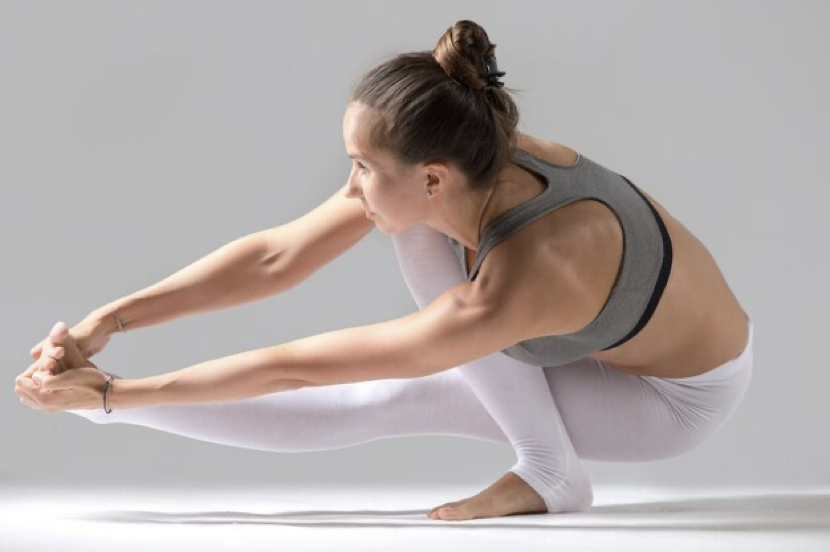
Embracing Flexibility: The Health Benefits and Pathways to Increased Flexibility
Flexibility is a fundamental component of physical fitness that often takes a back seat to cardiovascular endurance and strength training. However, the importance of flexibility should not be underestimated. Flexibility refers to the range of motion in a joint or group of joints and the ability of muscles and tendons to stretch effectively. Embracing flexibility not only enhances physical performance but also offers a myriad of health benefits that contribute to overall well-being. In this article, we delve into the significance of flexibility, its health advantages, and practical ways to improve and maintain flexibility in daily life.The Health Benefits of Flexibility1. Injury PreventionOne of the primary benefits of flexibility is its role in injury prevention. When muscles and tendons are flexible, they are better equipped to handle stress and strain during physical activities. Improved flexibility reduces the risk of muscle strains, ligament sprains, and other common injuries, especially during activities that require sudden or extreme movements.2. Improved PostureFlexibility plays a crucial role in maintaining proper posture. Tight muscles can pull the body out of alignment, leading to poor posture and a host of associated issues such as back pain, neck pain, and headaches. By enhancing flexibility in key muscle groups, individuals can improve their posture and reduce the likelihood of developing chronic postural problems.3. Enhanced Range of MotionIncreased flexibility translates to an expanded range of motion in joints, allowing for more fluid and efficient movement. This is particularly beneficial for athletes, dancers, and individuals engaged in physical activities that require a wide range of motion. A greater range of motion not only improves performance but also enhances overall mobility and agility.4. Stress ReliefFlexibility exercises, such as yoga and stretching, promote relaxation and stress relief. Stretching helps release tension in muscles, alleviate tightness, and promote circulation, leading to a sense of physical and mental relaxation. Incorporating flexibility exercises into a daily routine can contribute to stress reduction and improved mental well-being.5. Joint HealthMaintaining flexibility is essential for joint health and function. Flexible muscles and tendons help support the joints, reducing the risk of joint pain, stiffness, and degenerative conditions such as osteoarthritis. By preserving joint mobility through flexibility exercises, individuals can enhance joint health and longevity.How to Improve Flexibility1. Stretching ExercisesIncorporate regular stretching exercises into your fitness routine to improve flexibility. Dynamic stretches before exercise help warm up the muscles, while static stretches after exercise help lengthen and relax the muscles. Focus on stretching major muscle groups such as the hamstrings, quadriceps, calves, shoulders, and back.2. Yoga and PilatesParticipating in yoga or Pilates classes can significantly enhance flexibility, strength, and balance. These mind-body practices combine stretching exercises with strengthening movements to improve overall flexibility and body awareness. Attending regular classes led by experienced instructors can help individuals progress in their flexibility journey.3. Foam RollingFoam rolling is a self-myofascial release technique that helps release muscle tightness and improve flexibility. By using a foam roller to apply pressure to specific muscle groups, individuals can reduce muscle tension, increase blood flow, and enhance flexibility. Incorporate foam rolling into your post-workout routine to aid in muscle recovery and flexibility maintenance.4. Stay HydratedProper hydration is essential for maintaining muscle elasticity and joint lubrication, both of which are vital for flexibility. Drinking an adequate amount of water throughout the day helps keep muscles hydrated and supple, supporting flexibility and reducing the risk of muscle cramps and stiffness.5. Consistency is KeyImproving flexibility is a gradual process that requires consistency and dedication. Set aside time each day for stretching and flexibility exercises, and gradually increase the intensity and duration of your stretches as your flexibility improves. Be patient with yourself and celebrate small milestones along the way.
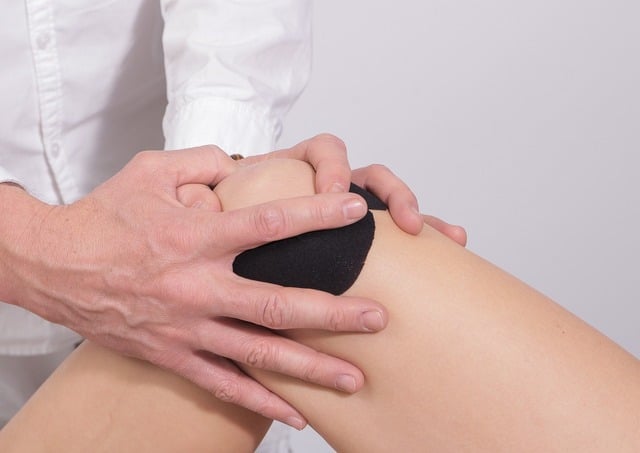
Natural Treatments for Knee Osteoarthritis
Degenerative joint disorders, such as knee osteoarthritis, are a frequent joint disease around the world and millions of people suffer from pain, stiffness, and disability in their joint. Although conservative treatments (i.e. painkillers, physiotherapy, or surgery) are frequently suggested, commonly patients turn to alternative methods to deal with the symptoms with less side effects. These techniques presents a comprehensive approach to treating knee osteoarthritis, aimed at providing relief of both the physical and psychological.1.AcupunctureOne of the most common alternative treatments for knee osteoarthritis is a traditional Chinese practice called acupuncture which small needles are inserted and manipulated at various points in the body. Studies show that acupuncture can trigger the release of endorphins, as well as increase blood flow to the affected joint. And it can be noticed that, with consistent treatments, a lot of clients will have less pain, more mobility. Individuals respond to acupuncture differently, it can be costly, and if you haven’t found any relief after four visits, chances are it’s not going to be helpful, but it is safe when provided by a licensed acupuncturist, and that may be particularly appealing for those who don’t want to take a medication.2.Glucosamine and Chondroitin SupplementsThese are the two most common oral supplements sold for joint pains. They’re said to promote healthy joints by decreasing inflammation and preserving cartilage. Long-term use might ease pain and improve mobility, according to some studies, although the outcomes will depend on severity of osteoarthritis. These supplements are not a panacea, but are considered as part of an overall anti-pain programme especially for those who prefer a more natural way of pain relief as opposed to taking prescription medication.3.MassageAnother alternative therapy is massage which can offer relief by easing muscle tension and increasing circulation in the area of the knee. Talented therapists perform deep tissue or myofascial-release massage, pinpointing tight muscles and connective tissue that might be causing joint discomfort. Routine sessions may help reduce stiffness and increase flexibility, providing a non-invasive method of relieving symptoms. Some patients use massage in combination with other treatments such as application of heat for extra comfort.4.Heat and Cold TherapyAlthough quite basic, heat and cold are still considered tried and true methods for alleviating osteoarthritis pain. Using heat by using warm compresses or heating pads help to relax stiff muscles, boost blood circulation, but if you use cold packs, it might numb the pain and reduce the swelling. Many people use both, switching them based on their symptoms applying heat in the morning to loosen the joint up followed by cold after activity to reduce inflammation. This low cost approach may be integrated into daily practice for maintenance of symptoms.5.Chiropractic AdjustmentIf we think of chiropractic adjustment more in the context of back pain, this study tells us that it can also provide relief to those suffering from knee osteoarthritis. Joint mobilization (chiropractic treatment) has the potential to restore normal alignment and lessen stress on surrounding tissues. They can help correcting these imbalances in your musculoskeletal system and return to proper movement patterns and reduce the stress on your knees. Although not an independent treatment, chiropractic can be a useful addition to a multidisciplinary pain management program.Although these treatment options may not fully substitute conventional medical treatments, they offer a good selection for people who may wish to seek an adjunct way for relieving knee osteoarthritis. Whether it’s acupuncture’s pain-dulling effects or the structural benefits from chiropractic manipulations, people have a variety of options to find comfort. Incorporating one or more of these interventions — with professional guidance — could make a huge difference to your quality of life, giving those with knee osteoarthritis back the freedom to move. Of course, speaking with your doctor anytime you're trying a new treatment will ensure it is safe and tailored to your joint health.
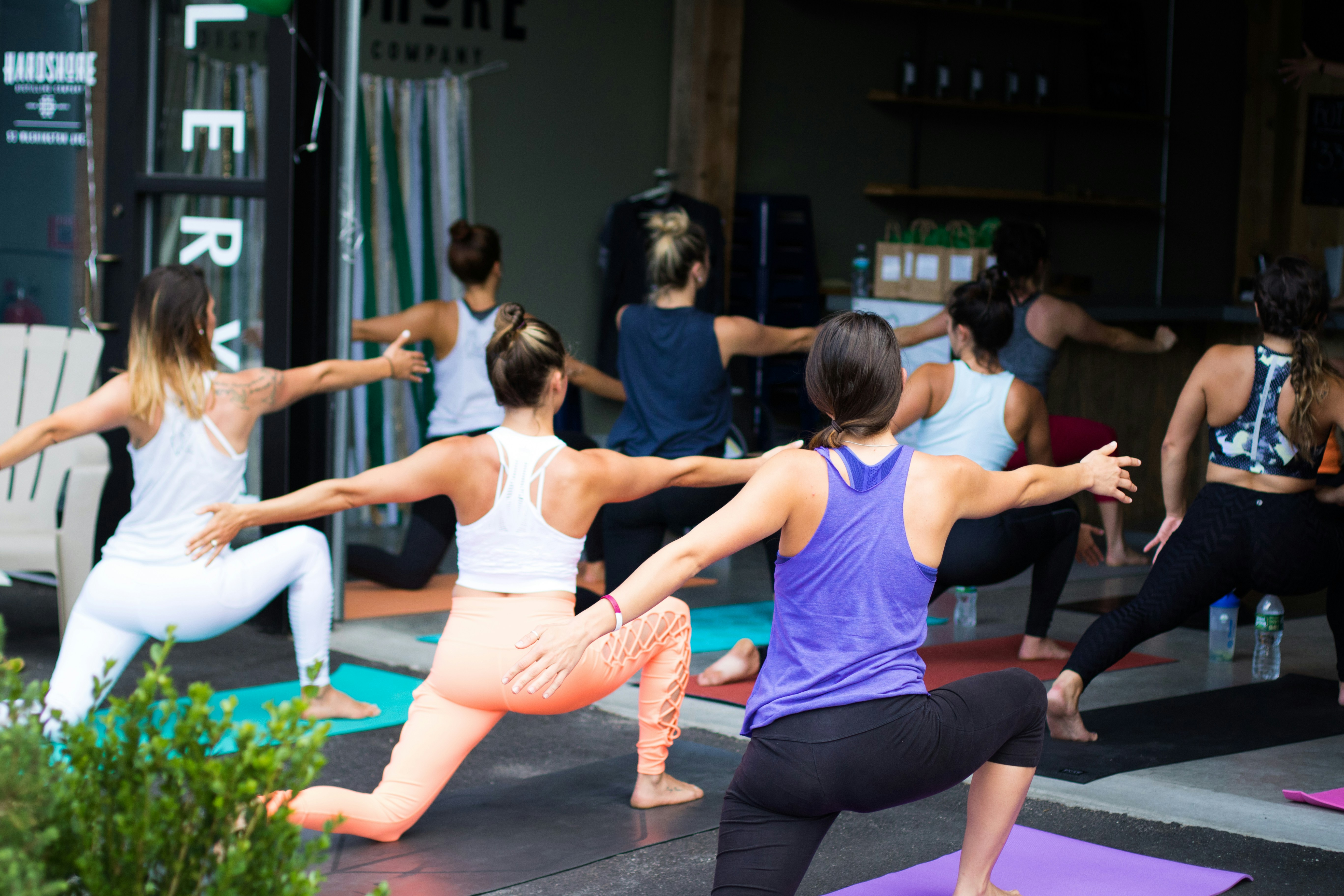
Instructions to Buying Yoga Clothes
While rehearsing yoga, a bunch of agreeable and fit yoga garments is fundamental. This article will furnish you with a definite manual for purchasing yoga garments, so you can make it simpler to purchase yoga garments.1.Material selectionThe material of yoga clothing has a crucial and significant impact on its air permeability, comfort and durability. Generally speaking, the main materials of yoga clothing are pure cotton, polyester, modal and so on. Pure cotton yoga clothes have good humidity inhalation, but are easy to wrinkle; Polyester yoga clothing has good wear resistance, but poor air permeability; Modal material yoga clothing is both hygroscopic and breathable, comfortable to wear, suitable for yoga this high-intensity, high-humidity exercise.2.Fit degree and elasticityWhen choosing yoga clothing, fit and elasticity are also very important and essential factors. The right fit allows you to be more cozyand easeful in the movement, and enough elasticity allows you to stretch without bondage. Therefore, it is recommended to choose yoga clothes with high fit and good elasticity, so that you can not only better show your movements, but also improve and enhance your practice effect.3.Length and leg designThe length and leg design of yoga clothing also have a great impact on its overall effect. In general, the length of yoga clothes should be just above the navel, so that you can better show the proportion of your figure. Pant leg design should be selected according to the individual leg type, straight or loose design can make you more comfortable in the movement, and tight design can better show your muscle line.