


Embracing Flexibility: The Health Benefits and Pathways to Increased Flexibility
Flexibility is a fundamental component of physical fitness that often takes a back seat to cardiovascular endurance and strength training. However, the importance of flexibility should not be underestimated. Flexibility refers to the range of motion in a joint or group of joints and the ability of muscles and tendons to stretch effectively. Embracing flexibility not only enhances physical performance but also offers a myriad of health benefits that contribute to overall well-being. In this article, we delve into the significance of flexibility, its health advantages, and practical ways to improve and maintain flexibility in daily life.
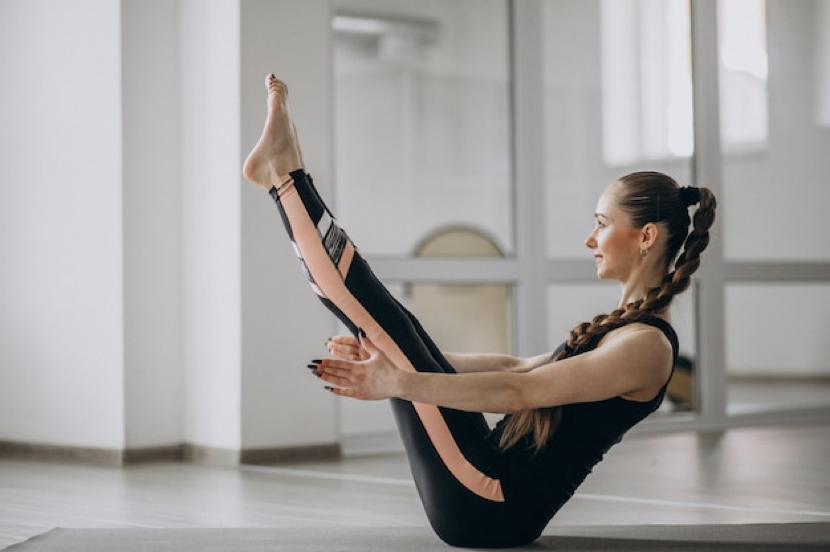
The Health Benefits of Flexibility
1. Injury Prevention
One of the primary benefits of flexibility is its role in injury prevention. When muscles and tendons are flexible, they are better equipped to handle stress and strain during physical activities. Improved flexibility reduces the risk of muscle strains, ligament sprains, and other common injuries, especially during activities that require sudden or extreme movements.
2. Improved Posture
Flexibility plays a crucial role in maintaining proper posture. Tight muscles can pull the body out of alignment, leading to poor posture and a host of associated issues such as back pain, neck pain, and headaches. By enhancing flexibility in key muscle groups, individuals can improve their posture and reduce the likelihood of developing chronic postural problems.
3. Enhanced Range of Motion
Increased flexibility translates to an expanded range of motion in joints, allowing for more fluid and efficient movement. This is particularly beneficial for athletes, dancers, and individuals engaged in physical activities that require a wide range of motion. A greater range of motion not only improves performance but also enhances overall mobility and agility.
4. Stress Relief
Flexibility exercises, such as yoga and stretching, promote relaxation and stress relief. Stretching helps release tension in muscles, alleviate tightness, and promote circulation, leading to a sense of physical and mental relaxation. Incorporating flexibility exercises into a daily routine can contribute to stress reduction and improved mental well-being.
5. Joint Health
Maintaining flexibility is essential for joint health and function. Flexible muscles and tendons help support the joints, reducing the risk of joint pain, stiffness, and degenerative conditions such as osteoarthritis. By preserving joint mobility through flexibility exercises, individuals can enhance joint health and longevity.
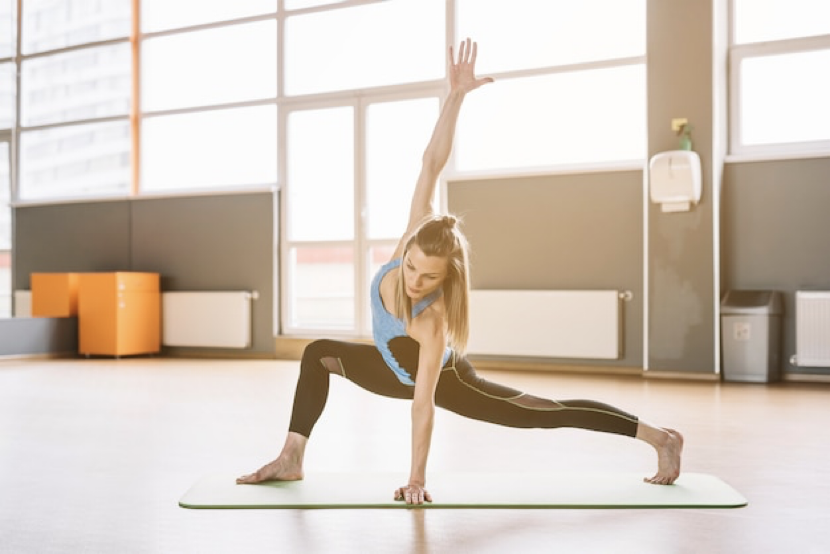
How to Improve Flexibility
1. Stretching Exercises
Incorporate regular stretching exercises into your fitness routine to improve flexibility. Dynamic stretches before exercise help warm up the muscles, while static stretches after exercise help lengthen and relax the muscles. Focus on stretching major muscle groups such as the hamstrings, quadriceps, calves, shoulders, and back.
2. Yoga and Pilates
Participating in yoga or Pilates classes can significantly enhance flexibility, strength, and balance. These mind-body practices combine stretching exercises with strengthening movements to improve overall flexibility and body awareness. Attending regular classes led by experienced instructors can help individuals progress in their flexibility journey.
3. Foam Rolling
Foam rolling is a self-myofascial release technique that helps release muscle tightness and improve flexibility. By using a foam roller to apply pressure to specific muscle groups, individuals can reduce muscle tension, increase blood flow, and enhance flexibility. Incorporate foam rolling into your post-workout routine to aid in muscle recovery and flexibility maintenance.
4. Stay Hydrated
Proper hydration is essential for maintaining muscle elasticity and joint lubrication, both of which are vital for flexibility. Drinking an adequate amount of water throughout the day helps keep muscles hydrated and supple, supporting flexibility and reducing the risk of muscle cramps and stiffness.
5. Consistency is Key
Improving flexibility is a gradual process that requires consistency and dedication. Set aside time each day for stretching and flexibility exercises, and gradually increase the intensity and duration of your stretches as your flexibility improves. Be patient with yourself and celebrate small milestones along the way.
Conclusion
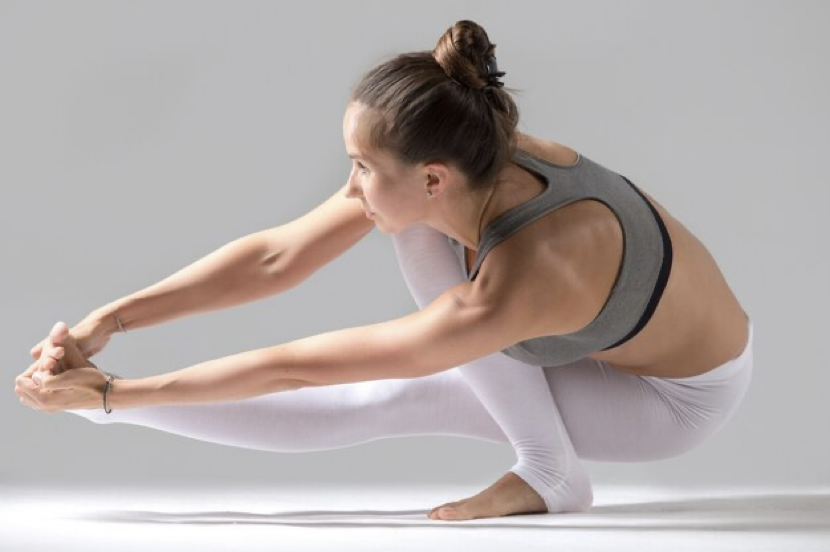
In conclusion, flexibility is a cornerstone of physical health and well-being, offering a host of benefits that extend beyond mere physical performance. By prioritizing flexibility through regular stretching, yoga, Pilates, and other flexibility-enhancing practices, individuals can improve their posture, prevent injuries, enhance range of motion, alleviate stress, and promote joint health. Embrace flexibility as an integral component of your fitness routine and enjoy the numerous advantages it brings to your overall health and quality of life.

Effective Ways to Relieve Joint Pain
Joint pain, which affects millions of people worldwide, is commonly linked with arthritis, injury, overuse and other causes. While persistent or severe pain should always be evaluated by a health care provider, there are many helpful steps you can take to prevent effectively and relieve pain around you joints.1.Regular Exercise and Physical ActivityRegular physical activity is one of the best weapons against joint pain. Though that may seem counterintuitive — who wants to move painful joints? — movement is what builds strength in the muscles surrounding the joints, giving stability and reducing the strain. Low-impact exercise to producing flexibility and stimulating circulation, like swimming, cycling and walking, is particularly effective, in that it doesn’t put strain on the joints. Yoga and stretching routines might also help improve range of motion and reduce stiffness. For people who have chronic joint pain, seeing a physical therapist is strongly recommended so that an individualized exercise plan can be developed. That regular, moderate abstraction of activity will make a difference in keeping joint serious pain from dog titling over time.2.Maintain a Healthy WeightCarrying excess weight also puts significant stress on the weight-bearing joints in the body, including the knees, hips and ankles. At even modest levels, weight loss can substantially relieve joint pain and slow the progression of diseases like osteoarthritis. A healthful, antiinflammatory-rich diet bolstered by leafy greens, berries, nuts and fatty fish can assist with weight management and help suppress inflammation. Limiting processed foods, sugars, and alcohol is just as crucial. You can be free from joint pain and improve overall health and reduce the risk of other chronic conditions by maintaining a healthy weight.3.Heat and Cold TherapyThis therapy with heat and cold joints, as well as helpful, simple, affordable and efficient. Using a warm compress, heating pad, or warm bath can help relax muscles, increase blood flow and ease stiffness, which research has shown is best for chronic pain or morning stiffness. Cold therapy, like an ice pack or cold gel wrap, is numb the area, reduce swelling and can relieve acute pain or inflammation from overuse or injury. For others, alternating between heat and cold works particularly well. When applying heat or cold directly, always apply a barrier, such as a towel, to protect your skin.4.Mind-Body TechniquesChronic joint pain can be a serious drain on one’s mental health, and stress, in turn, can make physical pain worse. Mind-body techniques such as meditation, deep breathing exercises, and tai chi can benefit stress reduction, emotional well-being, and even pain control. These practices promote relaxation, mindfulness and a greater sense of mind-body control — all things that can empower those suffering from chronic pain. Tai chi also integrates gentle motion with mindfulness, which can help increase joint flexibility and minimize pain.5.Good Posture and Use of JointsBad posture and repetitive use may intensify joint pains with the time. Even awareness of your posture — sitting, standing or walking — can help share your weight more evenly, relieving stress on your joints. Ergonomic tweaks, like supportive chairs or cushioned mats, can also help a lot. Assistive devices (e.g, braces, splints, or canes) can also help people with arthritis or other ongoing chronic conditions by providing extra support and alleviating pressure on affected joints.In conclusion, joint pain can be a very difficult condition to cope with, as much mentally as it is physically— so you should not let the symptoms run your life. Manage and relieve your pain with you regular exercise, maintain a healthy weight, use heat and cold therapy, try mind-body techniques and protect your joints. Again, please keep in mind you must check in with a healthcare professional to tweak these approaches to fit your particular situation. But with the proper technique, you can effect preventative measures toward a more active, pain-free you.

A House in Delhi, Reveals Indian History
In a corner of the Indian Delhi, a normal house hides, however, the house has been witnessing Indian history for hundreds of years. It is not only a building, but also a history observer, an inheritor of culture, an epitome of a era.Location of the houseThe house locates in the core area of Delhi’s old town, surrounded by ancient walls and narrow streets. Its exterior is not so attractive, the gray stonewall, wooden doors and windows and dappled walls seem to be talking about the vicissitudes of time. However, when you step into this house, you will feel just like going back to the time of hundreds of years ago. The interior decoration reveals the traditional Indian style. The high suspending exquisite chandelier in the ceiling, the ancient artworks and sculptures on the wall, the hand knitting blanket under your feet and every corner of this house is a display of the history and story.Uncanny historyThe house can be dated back to Mughal Dynasty when all the royal members live here. From the reign of Akbar the Great to the expansion of Aurangzeb, from the glory of empire to its decline, the house records every history moment silently. You can see the royal life at that time by the wall paintings, you can learn the ritual through the sculpture patterns and you can know the art style from the decoration on the furniture. As time went by, the house went through a collection of repair and refinement, but these did not change its key appearance. In 19th century, India was colonized by British men, which resulted this house to be the residency of British officials. Although the style changed a little, the historic and cultural marks still shows its a house of India. In the meantime, you can see the combined elements between India and Great Britain. After the independence of India in 20th century, the house became a part of cultural relic and was protected and repaired. At present, it is not more a history relic, but a cultural center which attracts travelers and learners all over the globe. Because this house provide them with the history of India and the diversity and richness of different culture. Furthermore, the house is not just a witness of the history but also an inheritor of culture. It carries the hundred years’ changes of India and records every print of era.Cultural relicYou can enjoy the colorful and diverse Indian culture here, no matter ritual, festival, daily life or art creation. The glamour of travelling lies in that you can not only see the beautiful scenery, but also find the history and culture of a city. A great deal of items can represent and show the history of a city, the construction or a house is just one part, when stepping into this house, you may see the shadow that who stepped into this house before and the atmosphere who leaved.ConclusionTo conclude, the house, which locates in the Delhi’s old town, is not just a construction, but also a witness of history, an inheritor of culture and an epitome of era. Undoubtedly, it’s a window to unlock the Indian culture and history and also a bridge connects past and present.

Skills for Car Paint Upkeep
Car paint is an important part of the appearance of the vehicle, not only beautiful, but also can play a role in protecting the body.Therefore, the correct maintenance of the car paint is very important. The following will describe in detail how to maintain the car paint methods and skills.1. Avoid wiping with hard objectsWhen stains or dirt appear on the surface of the car paint, do not use hard objects to wipe, such as ordinary rags or paper towels. Doing so can scratch the paint, causing fine scratches and damage. The correct approach is to use a soft sponge or professional car cleaning cloth to gently wipe the stain and avoid overexertion.2. Wax regularlyWaxing is one of the important steps to protect car paint. The wax can form a protective film to prevent dirt and UV light from eroding the paint. It is recommended to wax the vehicle every 3-6 months, and the specific frequency can be adjusted according to the use of the vehicle and the environment. Before waxing, ensure that the surface of the vehicle is clean and choose the appropriate car wax product.3. Avoid prolonged exposure to sunlightProlonged exposure to sunlight can cause car paint to fade and age. Therefore, try to choose a place with shade when parking, or use a shade baffle to block. If it is impossible to avoid parking outdoors for a long time, you can consider using a vehicle cover to cover the entire body to play a certain protective role.4. Repair scratches and stone hits in timeIn daily use, car paint will inevitably appear some scratches and stone impact. If these damages are not repaired in time, they will accelerate the aging and corrosion of the car paint. Therefore, timely repair of scratches and stone impact is an important part of the maintenance of car paint. For small scratches, you can use the car paint repair pen to repair; For a large area of damage, it is recommended to seek professional car repair services.

Enhancing Wardrobe Storage Space with Hanging Rods for Improved Quality of Life
Struggling to find a solution for your overflowing wardrobe?It's time to think outside the box and maximize your wardrobe storage space effectively. One practical and efficient method is to incorporate hanging rods into your closet organization.To make the most out of your wardrobe space, consider the following detailed suggestions and specific dimension recommendations for creating an efficient and organized closet:Assess your wardrobe: Before implementing any changes, take the time to assess your wardrobe and its contents. Determine the types of clothing you own, their respective sizes, and the frequency of use. This will help you plan the layout and dimensions of your hanging rods accordingly.Multi-level hanging: Utilize multi-level hanging rods to optimize vertical space. For shirts, blouses, and lighter garments, a hanging rod height of 38-42 inches (96-107 cm) from the floor is ideal, while longer hanging garments such as dresses and coats should have a higher rod at around 66-69 inches (168-175 cm) from the floor. This allows for efficient use of space and easy access to different types of clothing.

5 of the Most Long-lasting Latex Paint Colors
In the decoration process, choosing the right latex paint color can add lasting beauty to the home.However, many people in the choice of latex paint color often only focus on the current trend, but ignore the durability of the color. This article will introduce you to the 5 most long-lasting latex paint colors.1.Neutral color systemNeutral color system is the most classic and durable color in home decoration, mainly including white, beige, gray and so on. These colors not only have high durability, but also can be easily matched with other colors to create a simple, warm atmosphere for the home. When choosing neutral color latex paint, it is recommended to choose soft tones, such as light beige, light gray, etc., which can better integrate with natural light and artificial lighting to make the home space more comfortable.2.Light blueLight blue latex paint is a fresh, natural color that can bring peace and relaxation to the home. At the same time, light blue is also a very durable color that will not fade easily even if used for a long time. When choosing a light blue latex paint, it is recommended to choose a moderate saturation tone to avoid the color is too harsh or too dim. In addition, the light blue latex paint can also be matched with neutral colors such as white and beige to create a more harmonious home atmosphere.3.Light greenLight green latex paint is a vigorous color that can bring a natural and fresh feeling to the home. At the same time, light green is also a very durable color that will not fade easily even if used for a long time. When choosing light green latex paint, it is recommended to choose a light, bright green color to avoid the color is too harsh or too dim. In addition, the light green latex paint can also be matched with neutral colors such as white and beige to create a more comfortable home atmosphere.